Trichloroacetic Anhydride (TCI T0792), with CAS number 4124-31-6, is a chemical compound widely used in laboratory settings for its reactivity and versatility. It serves as a key reagent in organic synthesis, particularly in the formation of esters and anhydrides. This compound is commonly employed in chemical reactions involving carboxylic acid groups, making it an essential tool for researchers in various scientific disciplines. Its ability to participate in a wide range of chemical transformations makes it a valuable asset in both academic and industrial laboratories.
One of the main reasons for its popularity is its high reactivity and effectiveness in promoting chemical reactions without altering the target molecule’s core structure. This property allows for efficient and selective synthesis of desired compounds. Additionally, its high boiling point facilitates controlled heating and distillation processes, enhancing its usability in complex chemical procedures. The compound’s chemical stability and reactivity make it a preferred choice for applications requiring precise and reliable results.
In Indonesian laboratories, Trichloroacetic Anhydride is frequently used in chemical, pharmaceutical, and industrial research. It supports the development of functional group-containing compounds and is readily available in the local market, ensuring easy access for researchers. Its role in organic synthesis and its compatibility with various substrates make it a staple in laboratory workflows across different scientific fields.
TCI brochures (PDF)
- Protecting Agents 2025-03-25 · p. 7
- Organic synthesis of ester compounds with carboxylic acid groups due to its reactivity and ability to form stable intermediates.
- Pharmaceutical research for the development of drug molecules requiring functional group modifications and esterification reactions.
- Industrial chemical processes involving the production of anhydrides and esters for specialty chemical applications.
- Analytical chemistry for the preparation of standards and reagents in qualitative and quantitative analysis.
- Polymer science applications where esterification and anhydride formation are required for polymer chain modifications.
| Brand | TCI |
|---|---|
| CAS number | 4124-31-6 |
| Molecular formula | — |
| Purity | — |
| Category | Chemistry > Building Blocks > Non-Heterocyclic Building Blocks |
| Pack sizes | Available in various quantities as per standard laboratory supply |
| Physical form | Liquid |
| Storage | Store in a cool, dry place away from moisture and direct sunlight |
Trichloroacetic Anhydride should be stored in a cool, dry environment, away from moisture and direct sunlight to maintain its chemical integrity. It is recommended to use airtight containers made of materials resistant to chemical corrosion, such as glass or high-density polyethylene. Due to its reactivity, it should be handled in a well-ventilated area, preferably under a fume hood, to minimize exposure. Avoid contact with water or moisture during storage and handling to prevent hydrolysis. Always wear appropriate personal protective equipment, including gloves, goggles, and a lab coat, to ensure safety in laboratory settings.
—
Produk Terkait
-
BenzoicAnhydride TCI B0078
Regular price Rp 584.850,00Regular price -
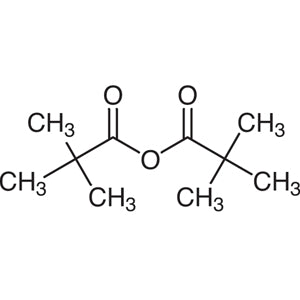
PivalicAnhydride TCI P1414
Regular price From Rp 1.776.600,00Regular price -
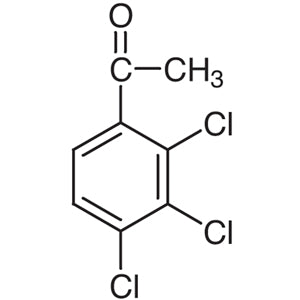
2',3',4'-Trichloroacetophenone TCI T2306
Regular price Rp 848.400,00Regular price -
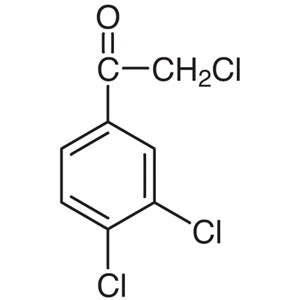
2,3',4'-Trichloroacetophenone TCI T1965
Regular price Rp 2.068.500,00Regular price -
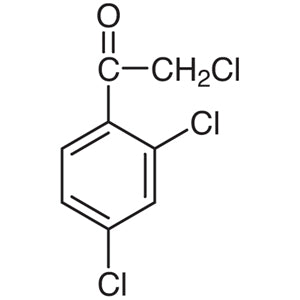
2,2',4'-Trichloroacetophenone TCI T1405
Regular price Rp 610.050,00Regular price -
3'-Amino-4'-chloroacetophenone TCI A3026
Regular price From Rp 557.550,00Regular price -
4'-Amino-3',5'-dichloroacetophenone TCI A1967
Regular price From Rp 1.115.100,00Regular price -
TrifluoroaceticAnhydride TCI T0433
Regular price From Rp 769.650,00Regular price