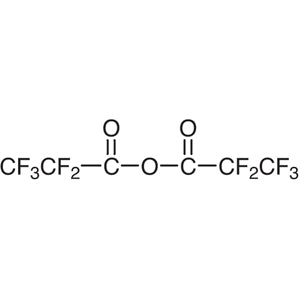
Trifluoroacetic Anhydride (TFAA), with CAS number 407-25-0, is a highly reactive chemical compound widely used in organic chemistry laboratories. It belongs to the category of fluorinated building blocks and is essential in the synthesis of various organic compounds. TFAA is commonly employed in reactions such as hydrolysis and substitution to produce trifluoroacetate derivatives. Its unique molecular structure, rich in fluorine atoms, contributes to its strong reactivity and versatility in chemical transformations. This compound plays a crucial role in the development of new materials, pharmaceuticals, and industrial chemicals.
The chemical properties of TFAA make it a preferred choice for laboratory applications. It has a strong ability to absorb moisture and react with a wide range of organic compounds, which enhances its utility in synthetic processes. Its high reactivity allows it to participate in multiple types of chemical reactions, making it a valuable tool for chemists. Additionally, TFAA is known for its stability under certain conditions, which facilitates its storage and use over extended periods. These characteristics ensure that it remains a reliable and effective reagent in chemical synthesis.
In Indonesian laboratories, TFAA is frequently used in organic chemistry research, particularly in academic and research institutions. It is an essential component in the synthesis of compounds with pharmaceutical, material, or industrial applications. Its availability in the local market supports ongoing research and development efforts, enabling scientists to conduct experiments that require high reactivity and precision. The compound's role in these settings underscores its importance in advancing scientific knowledge and innovation.
TCI brochures (PDF)
- Trifluoromethylating Reagents 2024-08-27 · p. 3
- GC Derivatization Reagents 2026-03-25 · p. 2
- Oxidizing Agents 2025-06-11 · p. 3
- Protecting Agents 2025-03-25 · p. 7
- Fluorous Chemistry 2025-01-21 · p. 7
- Fluorination Reagents, Fluorinated Building Blocks 2026-03-18 · p. 9
Related TCI products
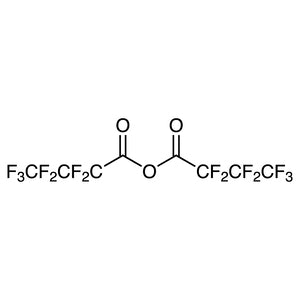
- TCI P0566 356-42-3 Pentafluoropropionic Anhydride
- TCI H0337 336-59-4 Heptafluorobutyric Anhydride
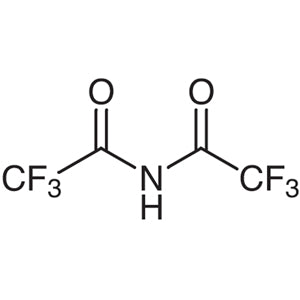
- TCI B0986 407-24-9 Bistrifluoroacetamide
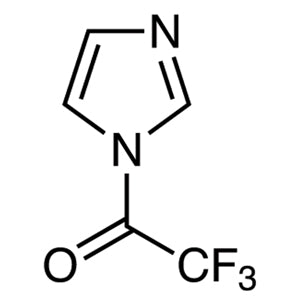
- TCI T0670 1546-79-8 1-(Trifluoroacetyl)imidazole
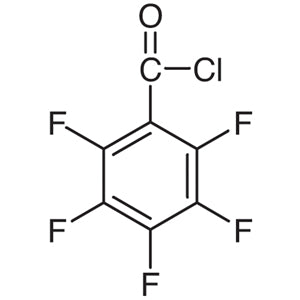
- TCI P0807 2251-50-5 Pentafluorobenzoyl Chloride
- TCI H0467 32477-35-3 1-(Heptafluorobutyryl)imidazole [Acylating Agent]
- Organic synthesis applications benefit from TFAA's ability to generate trifluoroacetate derivatives efficiently through hydrolysis and substitution reactions.
- Pharmaceutical research utilizes TFAA to develop compounds with enhanced stability and reactivity, crucial for drug molecule synthesis.
- Material science applications leverage TFAA's reactivity to create fluorinated polymers and specialty chemicals with unique properties.
- Industrial chemistry processes use TFAA as a key reagent in the production of fluorinated compounds for various commercial applications.
- Academic research institutions rely on TFAA for teaching and experimental purposes, demonstrating its role in both education and innovation.
From the TCI brochure
- Conversion of a terminal alkene (R-CH2-CH=CH2) to R-CH=CH-CH2-CF3
- urea·H2O2 in CH2Cl2; Cu cat. in CH2Cl2 (-40 °C; 40 °C)
| Brand | TCI |
|---|---|
| CAS number | 407-25-0 |
| Molecular formula | — |
| Purity | — |
| Category | Chemistry > Building Blocks > Fluorinated Building Blocks |
| Pack sizes | Available in various quantities as per standard laboratory supply |
| Physical form | Liquid |
| Storage | Store in a cool, dry place away from moisture and incompatible substances |
Data from the TCI brochure
| Kemasan | 20 mL / 100 mL / 400 mL |
|---|
Source: TCI brochure RR012 (2024-08-27)
Trifluoroacetic Anhydride should be stored in a cool, dry environment to maintain its stability and prevent degradation. It is recommended to use airtight containers made of materials resistant to chemical attack, such as glass or high-density polyethylene. Due to its strong reactivity with moisture, it must be kept away from sources of water and humidity. Laboratory personnel should handle TFAA with appropriate personal protective equipment, including gloves and safety goggles, to ensure safety. Proper ventilation is essential when working with this compound to minimize exposure. Regular monitoring of storage conditions is advised to ensure the compound remains in optimal condition for use.
References cited in the TCI brochure
- Shintaro Kawamura. Perfluoroalkylation of Unactivated Alkenes with Acid Anhydrides as the Perfluoroalkyl Source Angewandte Chemie International Edition, 2016. doi:10.1002/anie.201604127
Product Categories
- Building BlocksFluorinated Building BlocksNon-Heterocyclic Fluorinated Building Blocks
- Synthetic ReagentsFluorination Reagents [Synthetic Reagents]Fluorination Reagents (Other) [Synthetic Reagents]
- Synthetic ReagentsFluorination Reagents [Synthetic Reagents]Trifluoromethylation [Synthetic Reagents]
- Synthetic ReagentsFluorination Reagents [Synthetic Reagents]
- Synthetic ReagentsProtection, Deprotection, DerivatizationProtecting and Derivatizing Reagents [Synthetic Reagents]
Produk Terkait
-
PentafluoropropionicAnhydride TCI P0566
Regular price From Rp 1.060.500,00Regular priceRp 757.050,00Sale price From Rp 1.060.500,00 -
HeptafluorobutyricAnhydride TCI H0337
Regular price Rp 2.332.050,00Regular priceRp 1.646.400,00Sale price Rp 2.332.050,00 -
Bistrifluoroacetamide TCI B0986
Regular price From Rp 3.285.450,00Regular priceRp 2.313.150,00Sale price From Rp 3.285.450,00 -
1-(Trifluoroacetyl)imidazole TCI T0670
Regular price From Rp 1.351.350,00Regular priceRp 960.750,00Sale price From Rp 1.351.350,00 -
PentafluorobenzoylChloride TCI P0807
Regular price From Rp 1.326.150,00Regular priceRp 942.900,00Sale price From Rp 1.326.150,00 -
1-(Heptafluorobutyryl)imidazole[AcylatingAgent] TCI H0467
Regular price From Rp 4.425.750,00Regular priceRp 3.110.100,00Sale price From Rp 4.425.750,00 -
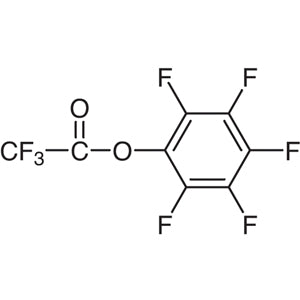
PentafluorophenylTrifluoroacetate TCI P1894
Regular price From Rp 1.696.800,00Regular priceRp 1.202.250,00Sale price From Rp 1.696.800,00 -
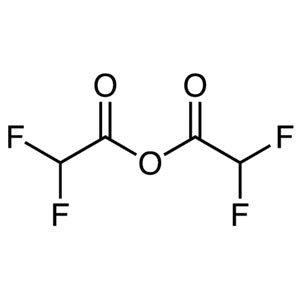
DifluoroaceticAnhydride TCI D4164
Regular price Rp 4.293.450,00Regular priceRp 3.017.700,00Sale price Rp 4.293.450,00