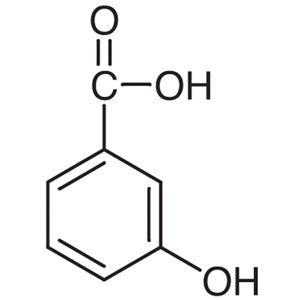
TCI H0205 3-Hydroxybenzoic Acid is an aromatic carboxylic acid carrying a phenolic hydroxyl group positioned meta to the carboxylate function. The compound is one of the fundamental building blocks in organic chemistry, used to assemble ester, amide, and aromatic ether derivatives. In the laboratory its value lies in presenting two functional groups of differing acidity on a single aromatic framework, allowing researchers to direct a reaction at one group first before continuing with modification at the other. This dual-handle character makes it a convenient starting point for stepwise synthetic sequences.
The property that makes it an attractive choice is the fairly wide difference in acidity between the carboxylate group and the phenol group. That difference permits selective reaction simply by adjusting pH or selecting a suitable base, without the need for complicated protection strategies. The meta position also delivers an electronic pattern distinct from that of the para isomer, so the compound is frequently employed as a comparison standard in structure–property relationship studies. Its crystalline solid form is stable, easy to weigh accurately, and can be repurified by recrystallization from an appropriate solvent when higher purity is required.
In Indonesian laboratories, 3-hydroxybenzoic acid is typically encountered in organic synthesis teaching and research settings, in university chemistry departments, and in the research and development units of formulation-oriented industries. It is commonly used where a bifunctional aromatic scaffold is needed for derivatization exercises, for preparing reference compounds, or for building small libraries of related structures. Because it is a stable weighable solid, it also suits routine bench work where reproducible sample preparation matters.
Related TCI products
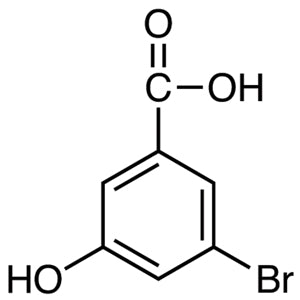
- TCI B4740 140472-69-1 3-Bromo-5-hydroxybenzoic Acid
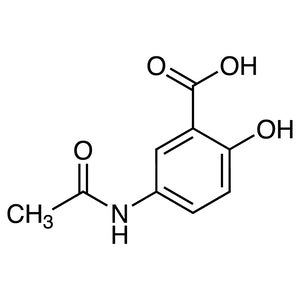
- TCI A3540 51-59-2 5-Acetamido-2-hydroxybenzoic Acid
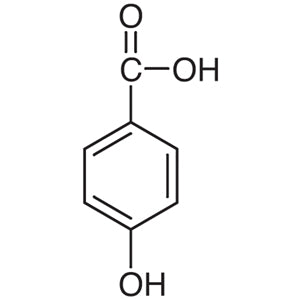
- TCI H0207 99-96-7 4-Hydroxybenzoic Acid
- TCI D2381 1421-49-4 3,5-Di-tert-butyl-4-hydroxybenzoic Acid
- TCI D0373 3336-41-2 3,5-Dichloro-4-hydroxybenzoic Acid
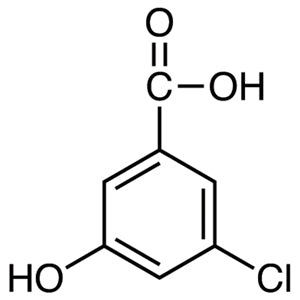
- TCI C3183 53984-36-4 3-Chloro-5-hydroxybenzoic Acid
- Ester derivative synthesis: the carboxylate group reacts readily under standard esterification conditions while the phenol can be left untouched by controlling reaction conditions appropriately.
- Amide bond formation: the carboxylic acid function serves as a reliable acyl donor for coupling with amines to generate aromatic amide derivatives for further study.
- Aromatic ether preparation: the phenolic hydroxyl can be alkylated selectively once the more acidic carboxylate has been addressed, giving access to substituted ether products.
- Structure–property relationship studies: the meta substitution pattern provides an electronic profile that differs from the para isomer, making it a useful comparison compound in such investigations.
- Selective functionalization method development: the wide acidity gap between the two groups allows researchers to test pH-controlled or base-controlled selectivity without elaborate protecting group strategies.
| Brand | TCI |
|---|---|
| CAS number | 99-06-9 |
| Molecular formula | — |
| Purity | — |
| Category | Chemistry > Building Blocks > Non-Heterocyclic Building Blocks |
| Pack sizes | available in the standard TCI catalogue pack sizes; please confirm the option required |
| Physical form | crystalline solid |
| Storage | keep in a tightly closed container in a cool, dry place away from moisture |
Store 3-hydroxybenzoic acid in a tightly closed container in a cool, dry area, protected from moisture and away from direct sunlight and heat sources. The original supplier container is generally suitable; if transferred, use clean glass or chemically compatible plastic containers that are clearly labelled with the compound name and CAS number. Handle the solid in a well-ventilated area or fume hood to limit dust exposure, and wear standard laboratory personal protective equipment including a lab coat, safety glasses, and gloves. Close the container promptly after weighing to preserve material quality, and consult the supplier safety data sheet before first use.
—
Produk Terkait
-
3-Bromo-5-hydroxybenzoicAcid TCI B4740
Regular price From Rp 584.850,00Regular price -
5-Acetamido-2-hydroxybenzoicAcid TCI A3540
Regular price Rp 4.559.100,00Regular price -
4-HydroxybenzoicAcid TCI H0207
Regular price From Rp 505.050,00Regular price -
3,5-Di-tert-butyl-4-hydroxybenzoicAcid TCI D2381
Regular price From Rp 1.696.800,00Regular price -
3,5-Dichloro-4-hydroxybenzoicAcid TCI D0373
Regular price From Rp 848.400,00Regular price -
3-Chloro-5-hydroxybenzoicAcid TCI C3183
Regular price From Rp 2.757.300,00Regular price -
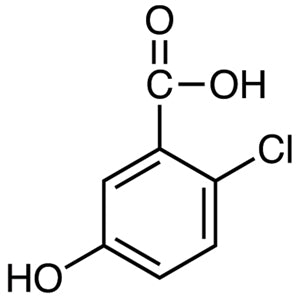
2-Chloro-5-hydroxybenzoicAcid TCI C2724
Regular price Rp 1.670.550,00Regular price -
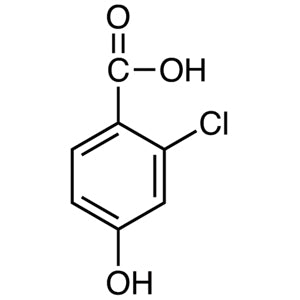
2-Chloro-4-hydroxybenzoicAcid TCI C2349
Regular price From Rp 2.704.800,00Regular price