


TCI H0532 11-Heneicosanone is a long-chain aliphatic ketone built on a twenty-one carbon skeleton, with the carbonyl group positioned exactly at the midpoint of the chain. This structural symmetry makes it an interesting model compound as well as a valuable synthetic starting material in organic chemistry and materials science laboratories. Beyond its role as a non-heterocyclic building block, long-chain ketones of this type are widely studied in chemical ecology research, particularly in investigations of semiochemicals and insect cuticular hydrocarbons that mediate communication between individuals.
The characteristic that makes this compound a preferred choice is the combination of a strongly hydrophobic long hydrocarbon chain with a single reactive carbonyl group at its centre. This hydrophobic character means the compound dissolves readily in non-polar solvents, behaves well in both gas chromatography and thin-layer chromatography, and tends to form a waxy solid at room temperature. The carbonyl group nevertheless remains open to the reactions typical of ketones, including reduction to the secondary alcohol, oxime and hydrazone formation, Grignard addition, and Wittig olefination. Because the molecule is symmetrical, derivatisation generally yields a single product rather than a mixture of regioisomers, which simplifies purification and structural confirmation.
In Indonesian laboratories, TCI H0532 is typically handled in university and institutional research settings where synthetic organic chemistry, materials characterisation, and chemical ecology work overlap. It is most often used at small scale as a reference or starting material, weighed out for reaction development, chromatographic comparison, or the preparation of derivatives. Its stability as a waxy solid suits laboratories that order modest quantities for specific projects and store the remainder for later use across a research programme.
- Non-heterocyclic building block synthesis — the central, unhindered carbonyl provides a clean single reactive site for constructing longer or branched aliphatic targets without competing heterocyclic reactivity.
- Chemical ecology and semiochemical research — long-chain ketones of this class are studied as candidate semiochemicals, making this compound useful as a reference material in insect communication investigations.
- Cuticular hydrocarbon studies — its long hydrophobic chain resembles the surface compounds found on insect cuticles, so it serves as a comparison standard in profiling work.
- Chromatographic method development — the compound behaves predictably in both gas chromatography and thin-layer chromatography, making it suitable for establishing retention behaviour and separation conditions.
- Carbonyl derivatisation chemistry — reduction to the secondary alcohol, oxime and hydrazone formation, Grignard addition, and Wittig olefination all proceed at the single symmetrical carbonyl position.
| Brand | TCI (Tokyo Chemical Industry) |
|---|---|
| CAS number | 19781-72-7 |
| Molecular formula | — |
| Purity | — |
| Category | Chemistry > Building Blocks > Non-Heterocyclic Building Blocks |
| Pack sizes | supplied in standard TCI research-scale packaging; please confirm the available sizes when ordering |
| Physical form | waxy solid at room temperature |
| Storage | keep in the closed original container in a cool, dry place away from light and heat |
Store TCI H0532 in its original tightly closed container in a cool, dry, well-ventilated area, protected from direct sunlight, heat sources, and ignition sources. Amber glass or the supplied original packaging is appropriate, since the material is a waxy solid that should be kept free of moisture and contamination. Handle the compound in a fume hood using standard personal protective equipment — safety glasses, gloves, and a laboratory coat — and avoid generating dust or inhaling fine particles during weighing. Use clean, dry spatulas to transfer material and reseal the container promptly after each use. Consult the manufacturer's safety data sheet before handling, and dispose of residues and contaminated materials in accordance with your institution's chemical waste procedures.
—
Produk Terkait
-
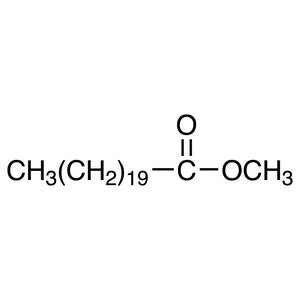
MethylHeneicosanoate TCI M3713
Regular price Rp 3.100.650,00Regular price -
12-Tricosanone TCI T0404
Regular price From Rp 2.730.000,00Regular price -
Heneicosane[StandardMaterialforGC] TCI S0293
Regular price Rp 1.405.950,00Regular price -
Heneicosane TCI H0367
Regular price Rp 769.650,00Regular price -
HeneicosanoicAcid TCI H0010
Regular price From Rp 3.790.500,00Regular price -
14-Heptacosanone TCI H0512
Regular price Rp 2.837.100,00Regular price

![629-94-7 Heneicosane [Standard Material for GC] - AMI Scientific](http://amiscientific.com/cdn/shop/files/TCI2510S0293.jpg?v=1767138633&width=533)


