

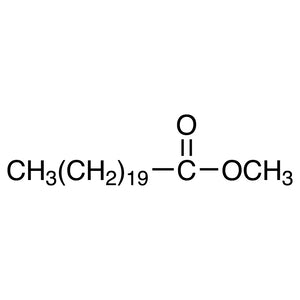
Methyl Heneicosanoate is a chemical compound widely used in laboratory settings, particularly in the synthesis of complex organic molecules. As an ester of heneicosanoic acid, it serves as a fundamental building block in various chemical reactions. Its role in organic chemistry is significant, as it provides a stable molecular structure that can be modified through esterification or hydrolysis. This compound is commonly found in chemical research, where its predictable behavior and chemical stability make it a reliable choice for experimental processes.
The chemical properties of Methyl Heneicosanoate make it a preferred choice for laboratory use. It is non-heterocyclic, which simplifies its integration into chemical reactions that require straightforward molecular structures. Its relatively low reactivity ensures that it remains stable under a variety of experimental conditions, reducing the risk of unintended side reactions. Additionally, its high melting and boiling points allow for easier separation and purification during chemical processes, making it a versatile compound for both research and industrial applications.
In Indonesian laboratories, Methyl Heneicosanoate is frequently used in both pure and applied chemical research. It is a key component in the development of new compounds and materials, supporting advancements in pharmaceuticals, materials science, and analytical chemistry. Its non-toxic and odorless nature also makes it safe for use in controlled laboratory environments, ensuring the well-being of researchers and the integrity of experimental results.
- Organic synthesis applications benefit from Methyl Heneicosanoate due to its stable molecular structure and predictable chemical behavior, enabling the creation of complex organic compounds with high precision.
- In pharmaceutical research, this compound is used as a building block for the development of new drugs, offering a reliable starting material for compound modification and functional group introduction.
- Material science experiments often incorporate Methyl Heneicosanoate to study the properties of ester-based polymers and coatings, leveraging its high melting point for controlled polymerization processes.
- Analytical chemistry laboratories use this compound as a reference standard for chromatographic and spectroscopic analyses, ensuring accurate identification and quantification of similar ester compounds.
- Environmental studies may utilize Methyl Heneicosanoate to model the behavior of long-chain esters in natural systems, aiding in the understanding of biodegradation and environmental impact.
| Brand | TCI |
|---|---|
| CAS number | 6064-90-0 |
| Molecular formula | — |
| Purity | — |
| Category | Chemistry > Building Blocks > Non-Heterocyclic Building Blocks |
| Pack sizes | Available in various quantities as per supplier specifications |
| Physical form | Solid at room temperature |
| Storage | Store in a cool, dry place away from direct sunlight and moisture |
Methyl Heneicosanoate should be stored in a cool, dry environment to maintain its chemical stability and prevent degradation. It is recommended to keep it in a sealed container to avoid exposure to moisture and air, which could potentially affect its properties. Due to its non-reactive nature, it does not require special containment, but it should be handled with care to prevent contamination. In laboratory settings, it is advisable to store it in a well-ventilated area to ensure safety. Always follow standard laboratory protocols when handling and storing chemical substances to maintain a safe and controlled environment.
—
Produk Terkait
-
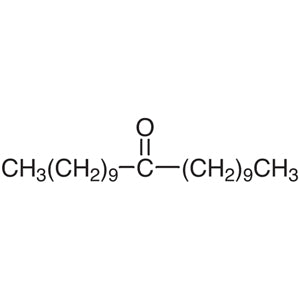
11-Heneicosanone TCI H0532
Regular price From Rp 4.531.800,00Regular price -
HeneicosanoicAcid TCI H0010
Regular price From Rp 3.790.500,00Regular price -
Heneicosane[StandardMaterialforGC] TCI S0293
Regular price Rp 1.405.950,00Regular price -
Heneicosane TCI H0367
Regular price Rp 769.650,00Regular price

![629-94-7 Heneicosane [Standard Material for GC] - AMI Scientific](http://amiscientific.com/cdn/shop/files/TCI2510S0293.jpg?v=1767138633&width=533)
