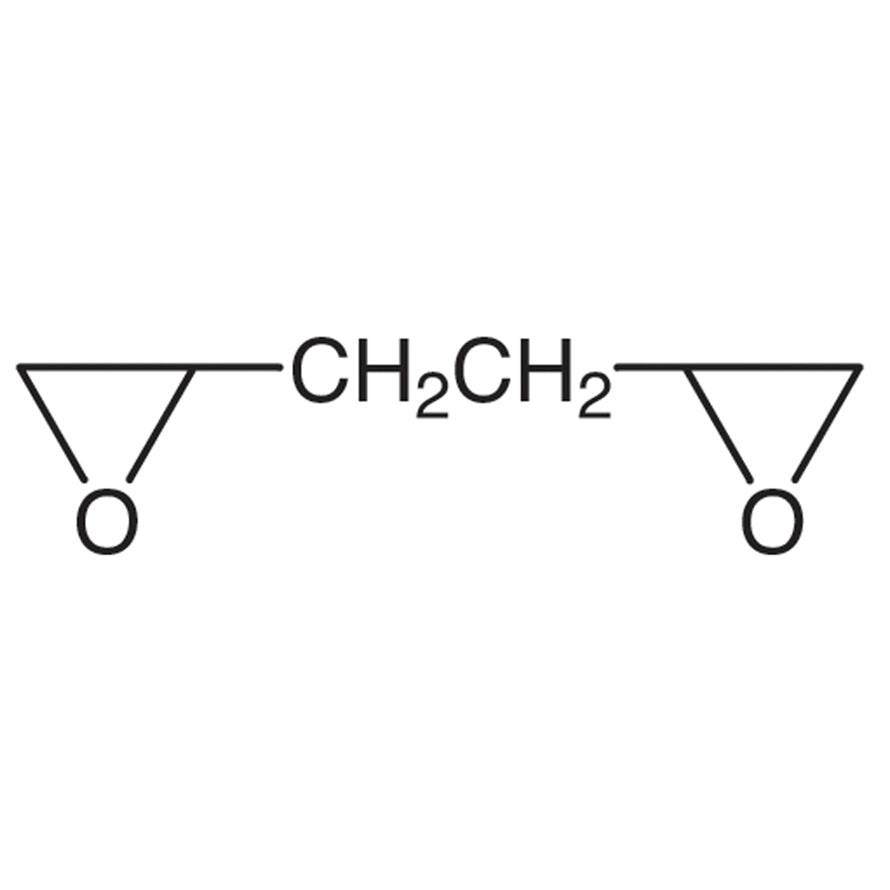
TCI H0953 1,5-Hexadiene Diepoxide is a bifunctional compound that carries two epoxide rings at both ends of a six-carbon chain, and is also known as 1,2:5,6-diepoxyhexane. The presence of two strained oxirane rings within a single molecule makes it a highly effective cross-linking reagent in the laboratory. The compound is widely used to join two molecules bearing nucleophilic groups, to activate solid surfaces so that they can bind biomolecules, and to construct three-dimensional polymer networks in materials research, chromatography resins, and hydrogels.
The property that makes it a preferred choice is the high yet controllable reactivity of the epoxide ring. The strain of the three-membered ring makes the epoxide readily opened by nucleophiles such as amines, thiols, hydroxyls, and carboxylates, and every ring-opening event generates both a new covalent bond and a free hydroxyl group that adds hydrophilic character to the product. Because both ends of the molecule are reactive, a single molecule can bind two different chains, forming a linking bridge of uniform length. The reaction rate can also be regulated through pH and temperature, allowing researchers to choose between gentle surface activation and more vigorous network formation.
In Indonesian laboratories, this reagent is typically found in university research groups, biotechnology laboratories, and polymer and materials development units that prepare their own functionalised supports rather than buying ready-made ones. It is commonly used in small quantities for immobilising enzymes and proteins, preparing affinity and chromatography media, and producing hydrogels for controlled-release studies. Its role as a general-purpose cross-linker means it is usually kept as a shared reagent in a laboratory chemical store.
Related TCI products
- TCI D1586 2426-07-5 1,7-Octadiene Diepoxide
- TCI D6088 81-21-0 Dicyclopentadiene Diepoxide
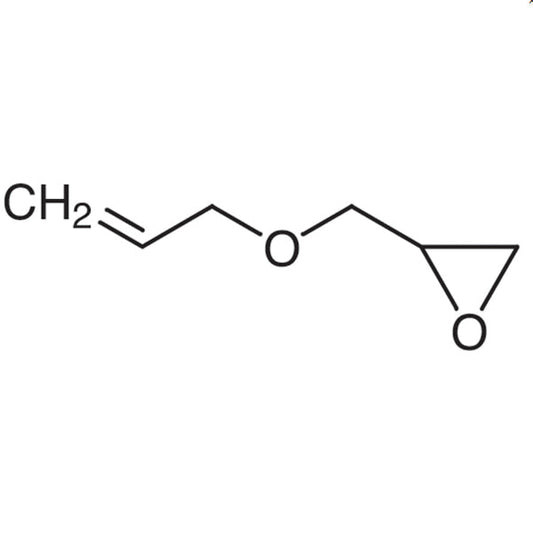
- TCI A0221 106-92-3 Allyl Glycidyl Ether
- TCI V0195 106-87-6 3-(Oxiran-2-yl)-7-oxabicyclo[410]heptane (mixture of isomers)
- TCI B4831 3101-60-8 4-tert-Butylphenyl Glycidyl Ether
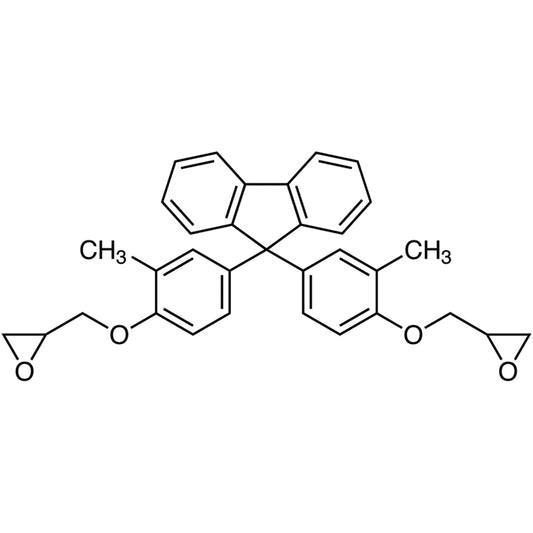
- TCI B4666 114205-89-9 9,9-Bis(4-glycidyloxy-3-methylphenyl)fluorene
- Enzyme and protein immobilisation, because both oxirane ends react with amine and thiol groups on proteins and on the carrier, anchoring the biomolecule covalently to the support.
- Solid surface activation, where the compound introduces reactive epoxide functionality onto hydroxyl-bearing surfaces so that biomolecules can subsequently be attached under mild conditions.
- Chromatography and affinity resin preparation, since the uniform six-carbon bridge provides consistent spacer length between the matrix backbone and the immobilised ligand.
- Hydrogel synthesis, because ring-opening of both epoxides forms covalent junction points while releasing free hydroxyl groups that increase the hydrophilicity of the resulting gel.
- Three-dimensional polymer network construction in materials research, as the bifunctional structure lets a single molecule bridge two separate polymer chains into a cross-linked architecture.
| Brand | TCI |
|---|---|
| CAS number | 1888-89-7 |
| Molecular formula | — |
| Purity | — |
| Category | Chemistry > Building Blocks > Heterocyclic Building Blocks |
| Pack sizes | available in standard TCI research-scale packaging; please confirm the currently offered sizes when ordering |
| Physical form | — |
| Storage | keep tightly closed in a cool, dry place away from moisture and nucleophilic contaminants |
- Chemical name: 1,5-Hexadiene Diepoxide, also known as 1,2:5,6-diepoxyhexane
Store the container tightly closed in a cool, dry, and well-ventilated location, away from heat sources, direct sunlight, and moisture. Use tightly sealed original containers or compatible chemical-resistant bottles with well-fitting caps, and keep the material separated from amines, acids, bases, and other nucleophilic substances that can open the epoxide rings prematurely. Handle in a fume hood using safety goggles, chemical-resistant gloves, and a laboratory coat, since epoxides are reactive toward skin and eye tissue. Avoid inhaling vapours, close the container immediately after use, and dispose of residues and contaminated materials as chemical waste according to the laboratory's standard procedures.
—
Produk Terkait
-
1,7-OctadieneDiepoxide TCI D1586
Regular price From Rp 1.696.800,00Regular price -
DicyclopentadieneDiepoxide TCI D6088
Regular price From Rp 1.670.550,00Regular price -
AllylGlycidylEther TCI A0221
Regular price From Rp 477.750,00Regular price -
3-(Oxiran-2-yl)-7-oxabicyclo[410]heptane(mixtureofisomers) TCI V0195
Regular price From Rp 3.870.300,00Regular price -
4-tert-ButylphenylGlycidylEther TCI B4831
Regular price From Rp 2.279.550,00Regular price -
9,9-Bis(4-glycidyloxy-3-methylphenyl)fluorene TCI B4666
Regular price From Rp 2.518.950,00Regular price -
9,9-Bis(4-glycidyloxyphenyl)fluorene TCI B4269
Regular price From Rp 1.035.300,00Regular price -
BenzylGlycidylEther TCI B2108
Regular price From Rp 1.510.950,00Regular price


![106-87-6 3-(Oxiran-2-yl)-7-oxabicyclo[4.1.0]heptane (mixture of isomers) - AMI Scientific](http://amiscientific.com/cdn/shop/files/TCI2510V0195.jpg?v=1767145750&width=533)