


Dicyclopentadiene Diepoxide (DCPD) is a chemical compound widely used in laboratory settings for the synthesis of complex molecules. As a building block in organic chemistry, it plays a crucial role in the development of heterocyclic compounds and polymers. Its unique molecular structure and high reactivity make it a preferred choice for researchers aiming to create new chemical entities. DCPD is particularly valued for its ability to participate in various chemical reactions, enabling the formation of new bonds and functional groups. This versatility makes it an essential component in both academic and industrial research environments.
DCPD is known for its chemical stability under controlled conditions, although it is highly sensitive to moisture and air exposure. These properties require careful handling and storage to maintain its effectiveness. The compound’s high boiling point also facilitates heating processes in chemical reactions, making it suitable for a range of experimental setups. Its reactivity and stability in specific conditions contribute to its popularity among chemists working on advanced synthesis projects.
In Indonesian laboratories, DCPD is commonly used in pure and applied chemical research. Educational institutions and research organizations rely on this compound for experiments requiring high reactivity. Its availability in the local market ensures easy access for researchers and students. The compound’s role in synthesizing heterocyclic compounds and polymers highlights its importance in both teaching and research applications.
Related TCI products
- TCI H0384 37275-49-3 Hydroxydicyclopentadiene (so called)
- TCI H0953 1888-89-7 1,5-Hexadiene Diepoxide
- TCI D1586 2426-07-5 1,7-Octadiene Diepoxide
- TCI D0443 77-73-6 Dicyclopentadiene (stabilized with BHT) [precursor to Cyclopentadiene]
- TCI T0928 2207-27-4 5,5-Dimethoxy-1,2,3,4-tetrachlorocyclopentadiene
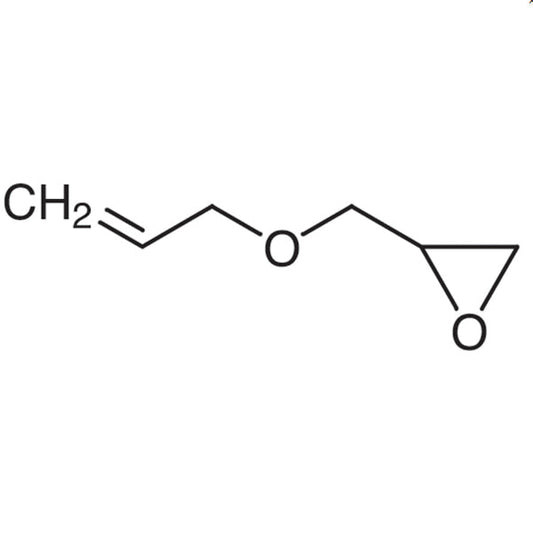
- TCI A0221 106-92-3 Allyl Glycidyl Ether
- Synthesis of heterocyclic compounds requiring high reactivity due to DCPD’s ability to form new bonds efficiently.
- Polymer production where DCPD serves as a cross-linking agent for creating stable and functional materials.
- Organic chemistry research involving the development of complex molecular structures through controlled reactions.
- Teaching experiments in chemical synthesis to demonstrate the principles of bond formation and reactivity.
- Industrial applications in the production of specialty chemicals that require precise molecular manipulation.
| Brand | TCI |
|---|---|
| CAS number | 81-21-0 |
| Molecular formula | — |
| Purity | — |
| Category | Chemistry > Building Blocks > Non-Heterocyclic Building Blocks |
| Pack sizes | Available in various quantities as per supplier specifications |
| Physical form | Liquid |
| Storage | Requires storage in a dry, cool, and well-ventilated area away from moisture and air exposure |
DCPD should be stored in a dry, cool, and well-ventilated area to prevent degradation due to moisture and air exposure. It is recommended to use sealed containers made of glass or high-density polyethylene to minimize contamination and maintain chemical integrity. Due to its sensitivity, it should be handled in a fume hood to ensure proper ventilation and safety. Avoid contact with water and ensure that storage areas are free from potential sources of moisture. Regular monitoring of storage conditions is essential to maintain the compound’s effectiveness in laboratory applications.
—
Produk Terkait
-
Hydroxydicyclopentadiene(socalled) TCI H0384
Regular price From Rp 1.035.300,00Regular price -
1,5-HexadieneDiepoxide TCI H0953
Regular price From Rp 1.431.150,00Regular price -
1,7-OctadieneDiepoxide TCI D1586
Regular price From Rp 1.696.800,00Regular price -
Dicyclopentadiene(stabilizedwithBHT)[precursortoCyclopentadiene] TCI D0443
Regular price From Rp 477.750,00Regular price -
5,5-Dimethoxy-1,2,3,4-tetrachlorocyclopentadiene TCI T0928
Regular price Rp 1.035.300,00Regular price -
AllylGlycidylEther TCI A0221
Regular price From Rp 477.750,00Regular price -
3-(Oxiran-2-yl)-7-oxabicyclo[410]heptane(mixtureofisomers) TCI V0195
Regular price From Rp 3.870.300,00Regular price -
BenzylGlycidylEther TCI B2108
Regular price From Rp 1.510.950,00Regular price


![Dicyclopentadiene (stabilized with BHT) [precursor to Cyclopentadiene] (CAS 77-73-6) - TCI D0443 - AMI Scientific](http://amiscientific.com/cdn/shop/files/TCI2510D0443.jpg?v=1767101304&width=533)


![106-87-6 3-(Oxiran-2-yl)-7-oxabicyclo[4.1.0]heptane (mixture of isomers) - AMI Scientific](http://amiscientific.com/cdn/shop/files/TCI2510V0195.jpg?v=1767145750&width=533)
