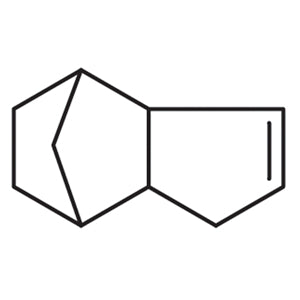
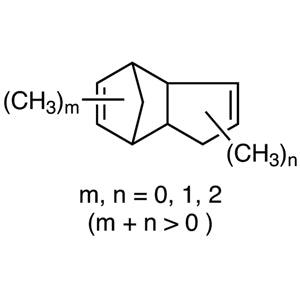
Hydroxydicyclopentadiene (HDCPD), with CAS number 37275-49-3, is a chemical compound widely used in laboratory settings for its versatile reactivity and structural complexity. This compound features a unique molecular structure composed of two cyclopentadiene rings connected by a hydroxyl group, making it a valuable building block in organic synthesis. HDCPD is commonly employed in chemical reactions that require the formation of new bonds through radical mechanisms or addition reactions. Its ability to participate in a variety of chemical transformations makes it an essential reagent for researchers working in synthetic chemistry.
One of the key properties that make HDCPD a preferred choice is its high reactivity towards functional groups such as carboxylic acids, amines, and other active functional groups. This reactivity allows for the synthesis of a wide range of compounds with specific chemical and mechanical properties. Additionally, HDCPD has a high boiling point and melting point, which makes it suitable for use in high-temperature reaction conditions. These characteristics ensure stability and reliability during chemical processes, making it a trusted material in laboratory applications.
In Indonesian laboratories, HDCPD is frequently used in research related to organic synthesis and material development. Its role in creating compounds with specific properties, such as mechanical strength and chemical resistance, is particularly important in academic and industrial research settings. The compound's versatility and reliability make it a preferred choice for scientists and researchers in Indonesia.
Related TCI products
- TCI D6088 81-21-0 Dicyclopentadiene Diepoxide
- TCI D0443 77-73-6 Dicyclopentadiene (stabilized with BHT) [precursor to Cyclopentadiene]
- TCI N0979 95-12-5 5-Norbornen-2-methanol (mixture of isomers)
- TCI N0764 85-39-2 5-Norbornene-2,3-dimethanol (mixture of endo- and exo-, predominantly endo-isomer)
- TCI D2001 4488-57-7 5,6-Dihydrodicyclopentadiene
- TCI O0632 4645-15-2 Oxydicyclohexane
- Organic synthesis applications benefit from HDCPD's ability to form new bonds through radical or addition reactions, enabling the creation of complex organic molecules with tailored properties.
- Material development research utilizes HDCPD due to its reactivity with functional groups, allowing for the synthesis of compounds with specific mechanical and chemical characteristics.
- High-temperature reaction environments are well-suited for HDCPD because of its high boiling and melting points, ensuring stability under demanding conditions.
- Radical-based chemical reactions rely on HDCPD's reactivity, making it an ideal reagent for generating reactive intermediates in synthetic pathways.
- Functional group modification processes take advantage of HDCPD's compatibility with carboxylic acids, amines, and other active groups, enabling precise chemical transformations.
| Brand | TCI |
|---|---|
| CAS number | 37275-49-3 |
| Molecular formula | — |
| Purity | — |
| Category | Chemistry > Building Blocks > Non-Heterocyclic Building Blocks |
| Pack sizes | — |
| Physical form | — |
| Storage | Store in a cool, dry place away from direct sunlight |
HDCPD should be stored in a cool, dry environment to maintain its chemical stability and prevent degradation. It is recommended to use sealed containers made of materials that are chemically inert to avoid any unwanted reactions. Due to its reactivity, it should be handled with care and stored away from incompatible substances such as strong oxidizers or acids. Proper ventilation is essential when working with HDCPD to minimize exposure to vapors. Laboratory personnel should wear appropriate personal protective equipment, including gloves and safety goggles, when handling this compound. Regular monitoring of storage conditions ensures the compound remains suitable for use in research applications.
—
Produk Terkait
-
DicyclopentadieneDiepoxide TCI D6088
Regular price From Rp 1.670.550,00Regular price -
Dicyclopentadiene(stabilizedwithBHT)[precursortoCyclopentadiene] TCI D0443
Regular price From Rp 477.750,00Regular price -
5-Norbornen-2-methanol(mixtureofisomers) TCI N0979
Regular price From Rp 955.500,00Regular price -
5-Norbornene-2,3-dimethanol(mixtureofendo-andexo-,predominantlyendo-isomer) TCI N0764
Regular price From Rp 2.016.000,00Regular price -
5,6-Dihydrodicyclopentadiene TCI D2001
Regular price Rp 3.870.300,00Regular price -
Oxydicyclohexane TCI O0632
Regular price From Rp 1.220.100,00Regular price -
MethylcyclopentadieneDimer(socalled)(stabilizedwithBHT) TCI M2705
Regular price From Rp 689.850,00Regular price -
MethylcyclopentadieneDimer(socalled)(stabilizedwithTBC) TCI M0920
Regular price Rp 769.650,00Regular price

![Dicyclopentadiene (stabilized with BHT) [precursor to Cyclopentadiene] (CAS 77-73-6) - TCI D0443 - AMI Scientific](http://amiscientific.com/cdn/shop/files/TCI2510D0443.jpg?v=1767101304&width=533)