4-Hydroxy-6-methylpyrimidine is a chemical compound widely used as a building block in the synthesis of heterocyclic compounds. Its role in laboratory settings is critical for organic chemists and researchers working on complex molecular structures. This compound is particularly important in the development of bioactive molecules, as it forms the basis for many nucleotide-like structures found in DNA and RNA. Its presence in various chemical reactions makes it a versatile reagent for synthetic pathways in both academic and industrial research.
The compound's stability and reactivity make it a preferred choice in laboratory applications. It exhibits good solubility in organic solvents, which facilitates its use in a wide range of chemical reactions. Its ability to participate in substitution, reduction, and condensation reactions enhances its utility in synthetic chemistry. These properties make it an essential component for researchers aiming to develop new pharmaceuticals or functional materials. Its chemical stability ensures that it remains effective under various reaction conditions, providing reliable results in experimental setups.
In Indonesian laboratories, 4-Hydroxy-6-methylpyrimidine is commonly used in organic chemistry research, particularly in pharmaceutical and chemical industries. It is frequently employed in the synthesis of bioactive compounds and the development of new drugs. Its availability and chemical properties make it a go-to reagent for scientists working on molecular design and structural modifications. Its use is widespread in both academic and industrial research, supporting advancements in medicinal chemistry and material science.
Related TCI products
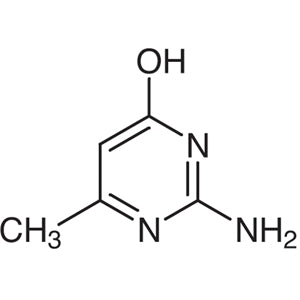
- TCI A1470 732304-23-3 4-Amino-6-hydroxy-2-methylpyrimidine Hydrate
- TCI A1204 3977-29-5 2-Amino-4-hydroxy-6-methylpyrimidine
- TCI H0943 5348-51-6 2-Hydroxy-4-methylpyrimidine Hydrochloride
- TCI B1089 41840-28-2 2-(tert-Butoxycarbonylthio)-4,6-dimethylpyrimidine [Boc Agent for Peptides Synthesis]
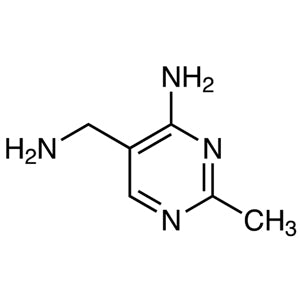
- TCI A2633 95-02-3 4-Amino-5-aminomethyl-2-methylpyrimidine
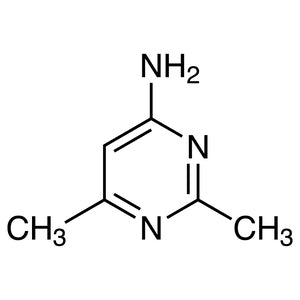
- TCI A2091 461-98-3 4-Amino-2,6-dimethylpyrimidine
- Organic synthesis of heterocyclic compounds due to its stable pyrimidine framework and reactivity in condensation reactions.
- Development of pharmaceuticals as a building block for nucleotide-like structures in drug molecule design.
- Research in biochemistry for the synthesis of DNA and RNA analogs, supporting molecular biology studies.
- Creation of functional materials through chemical modifications that leverage its reactivity and solubility.
- Investigation of catalytic processes where its ability to participate in substitution and reduction reactions is advantageous.
| Brand | TCI |
|---|---|
| CAS number | 3524-87-6 |
| Molecular formula | — |
| Purity | — |
| Category | Chemistry > Building Blocks > Heterocyclic Building Blocks |
| Pack sizes | Available in various quantities as per standard chemical supply practices |
| Physical form | Solid, crystalline appearance |
| Storage | Store in a cool, dry place away from direct light and moisture |
4-Hydroxy-6-methylpyrimidine should be stored in a cool, dry environment to maintain its chemical stability. It is recommended to keep it in a sealed container to prevent exposure to moisture and air. Suitable storage containers include glass or high-density polyethylene vessels to avoid chemical interactions. The compound should be kept away from strong oxidizing agents and incompatible substances. Laboratory personnel should handle it with care, using appropriate personal protective equipment when necessary. Proper storage ensures the compound remains effective for use in chemical reactions and research applications.
—
Produk Terkait
-
4-Amino-6-hydroxy-2-methylpyrimidineHydrate TCI A1470
Regular price From Rp 743.400,00Regular price -
2-Amino-4-hydroxy-6-methylpyrimidine TCI A1204
Regular price From Rp 928.200,00Regular price -
2-Hydroxy-4-methylpyrimidineHydrochloride TCI H0943
Regular price Rp 1.378.650,00Regular price -
2-(tert-Butoxycarbonylthio)-4,6-dimethylpyrimidine[BocAgentforPeptidesSynthesis] TCI B1089
Regular price From Rp 1.008.000,00Regular price -
4-Amino-5-aminomethyl-2-methylpyrimidine TCI A2633
Regular price Rp 4.743.900,00Regular price -
4-Amino-2,6-dimethylpyrimidine TCI A2091
Regular price From Rp 1.644.300,00Regular price -
2-Amino-4-methylpyrimidine TCI A1474
Regular price From Rp 664.650,00Regular price -
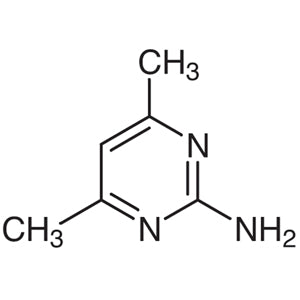
2-Amino-4,6-dimethylpyrimidine TCI A1083
Regular price Rp 823.200,00Regular price


![41840-28-2 2-(tert-Butoxycarbonylthio)-4,6-dimethylpyrimidine [Boc Agent for Peptides Synthesis] - AMI Scientific](http://amiscientific.com/cdn/shop/files/TCI2510B1089_7b65c1b0-ca0b-4b1a-822b-5b995d7e14c0.jpg?v=1767231194&width=533)