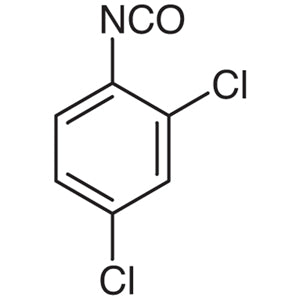
2,4-Dichlorophenyl Isocyanate is an aryl isocyanate bearing two chlorine atoms positioned ortho and para to the isocyanate group. In the laboratory it serves as a non-heterocyclic building block used to construct chlorinated aryl ureas and carbamates, structural motifs that appear very frequently in agrochemical compounds and pharmaceutical active ingredients. Its reaction with amines proceeds without any additional coupling reagent, and the products generally precipitate directly from the reaction mixture, so purification can often be accomplished by simple filtration and washing. This kind of operational efficiency is particularly valuable when preparing a series of related compounds.
The characteristic that makes this reagent stand out is the combination of electronic and steric effects contributed by the two chlorine atoms. Chlorine substituents are electron-withdrawing through induction, which increases the electrophilicity of the isocyanate carbon atom and accelerates nucleophilic attack. At the same time, the chlorine atom in the ortho position provides steric hindrance that tends to make the resulting urea more stable toward hydrolysis and gives it a more ordered conformation. The 2,4-dichlorophenyl substitution pattern is itself a widely recognised motif among crop protection active ingredients.
In Indonesian laboratories this material fits naturally into synthetic chemistry work where chlorinated aryl urea and carbamate frameworks are the target. Because the coupling requires no additional reagent and the product usually separates from the reaction mixture on its own, it suits laboratories that prepare compound series and need a straightforward, repeatable workflow. It is handled as a standard non-heterocyclic building block within organic synthesis and research groups working on agrochemical and pharmaceutical-related structures.
Related TCI products
- Synthesis of chlorinated aryl ureas: reaction with amines proceeds without a coupling reagent, and the increased electrophilicity of the isocyanate carbon drives the addition efficiently.
- Preparation of aryl carbamates: the same reagent-free addition chemistry applies to alcohol nucleophiles, giving chlorinated carbamate frameworks relevant to agrochemical and pharmaceutical research programmes.
- Agrochemical building block work: the 2,4-dichlorophenyl pattern is a widely recognised motif among crop protection active ingredients, making this a direct entry point to such structures.
- Pharmaceutical intermediate synthesis: chlorinated aryl urea motifs occur frequently in pharmaceutical active ingredients, so this isocyanate supports the assembly of these commonly required fragments.
- Parallel or series compound preparation: products typically precipitate straight from the reaction mixture, so purification by filtration and washing keeps multi-compound campaigns fast and consistent.
| Brand | TCI |
|---|---|
| CAS number | 2612-57-9 |
| Molecular formula | — |
| Purity | — |
| Category | Chemistry > Building Blocks > Non-Heterocyclic Building Blocks |
| Pack sizes | available in the pack sizes listed on this product page |
| Physical form | — |
| Storage | keep tightly closed and protected from moisture |
- Product code: I0555
- Chemical name: 2,4-Dichlorophenyl Isocyanate
Store the container tightly closed in a cool, dry, well-ventilated area, kept clearly away from sources of moisture, since isocyanates react readily with water and with other nucleophiles. Original manufacturer packaging or a tightly sealed, chemically compatible container is preferred, and transfers are best carried out under dry conditions to preserve reagent quality. Handle in a fume hood using gloves, safety goggles, and a laboratory coat, and avoid inhalation of vapour or contact with skin and eyes. Keep the material separated from amines, alcohols, and aqueous reagents during storage. Consult the manufacturer safety data sheet before use and follow your institution's chemical handling procedures.
—
Produk Terkait
-
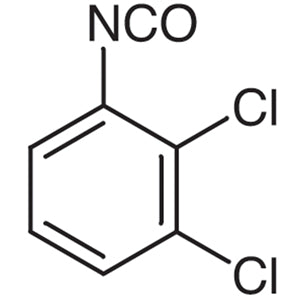
2,3-DichlorophenylIsocyanate TCI I0499
Regular price From Rp 557.550,00Regular price -
3,5-DichlorophenylIsocyanate TCI I0302
Regular price Rp 4.213.650,00Regular price -
3,4-DichlorophenylIsocyanate TCI I0092
Regular price Rp 2.199.750,00Regular price -
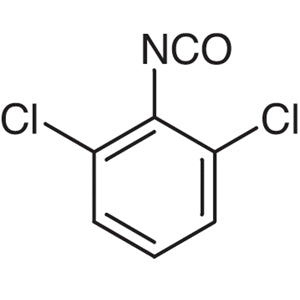
2,6-DichlorophenylIsocyanate TCI D3668
Regular price Rp 1.538.250,00Regular price -
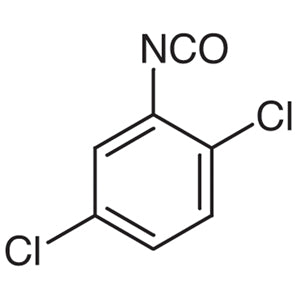
2,5-DichlorophenylIsocyanate TCI D0397
Regular price Rp 4.161.150,00Regular price -
4-ButylphenylIsocyanate TCI B3205
Regular price From Rp 1.087.800,00Regular price -
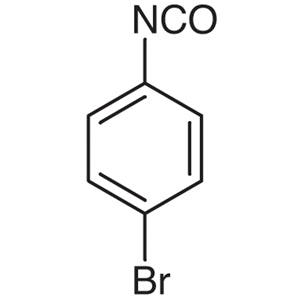
4-BromophenylIsocyanate TCI B0636
Regular price From Rp 2.279.550,00Regular price -
4-AcetylphenylIsocyanate TCI A2933
Regular price From Rp 2.094.750,00Regular price