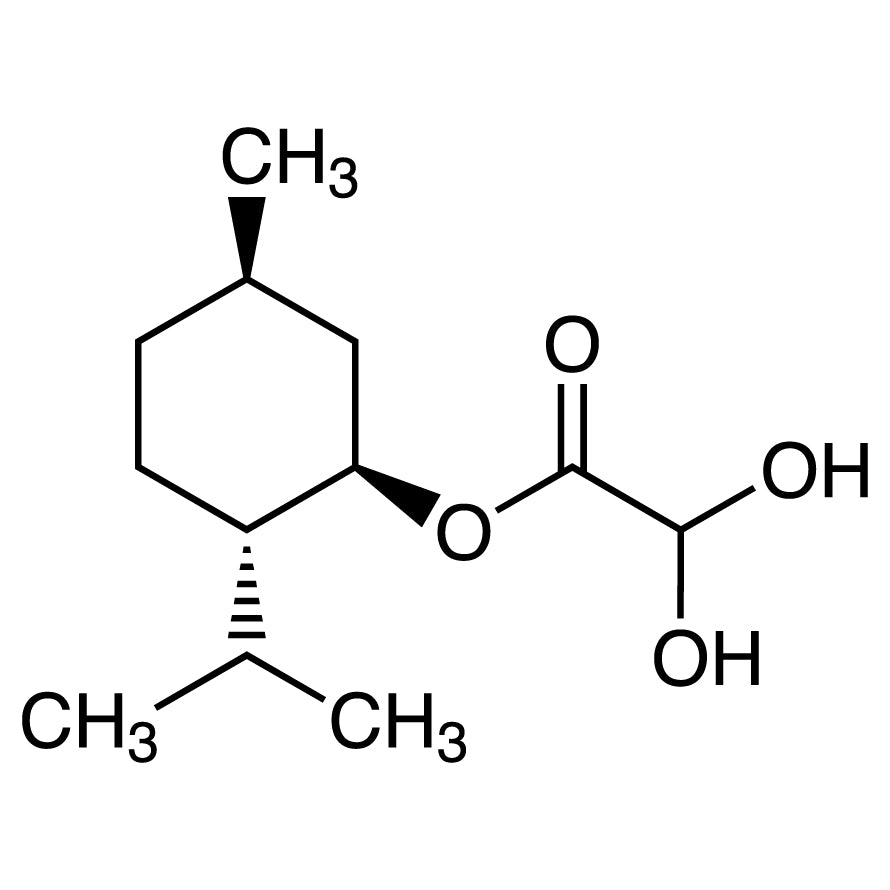
TCI I0790, (1R,2S,5R)-2-Isopropyl-5-methylcyclohexyl 2,2-Dihydroxyacetate, CAS 111969-64-3, is the menthyl ester of glyoxylic acid in its hydrated form, meaning the glyoxylate aldehyde group is bound as a gem-diol rather than as a free carbonyl. The compound combines a chiral menthol-derived terpene framework with a highly reactive glyoxylate group, which allows it to act as a chiral auxiliary in asymmetric synthesis. In the laboratory it is used to direct the formation of new stereogenic centres: the bulky menthyl skeleton shields one face of the molecule so that incoming reagents approach from the more open side.
The property that most often decides its selection is storage stability that is considerably better than that of free glyoxylate. The pure glyoxylate aldehyde tends to polymerise and is difficult to keep in usable condition, whereas this gem-diol hydrate form is comparatively easier to handle and can release the active aldehyde group when required, for example through azeotropic heating or the addition of a drying agent. The menthol framework, derived from a natural terpene source, supplies clear and well-defined stereochemical information while also being hydrophobic, so that the resulting products carry a lipophilic handle that assists separation.
In Indonesian laboratories the material is typically found in university and institutional organic synthesis groups, in natural product and terpene chemistry work, and in methodology studies where a defined chiral auxiliary is needed rather than a chiral catalyst. Because it is supplied as a stable hydrate, it fits ordinary reagent handling routines in tropical conditions better than the free aldehyde, and is normally drawn from a shared reagent store for stereoselective reaction work.
TCI brochures (PDF)
- Terpenes 2025-09-22 · p. 5
Related TCI products
- TCI I0889 61597-98-6 (1R,2S,5R)-2-Isopropyl-5-methylcyclohexyl (S)-2-Hydroxypropionate
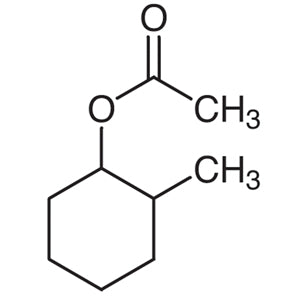
- TCI A1329 5726-19-2 2-Methylcyclohexyl Acetate
- TCI A0104 121-71-1 3'-Hydroxyacetophenone
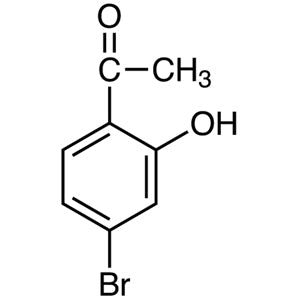
- TCI B5382 30186-18-6 4'-Bromo-2'-hydroxyacetophenone
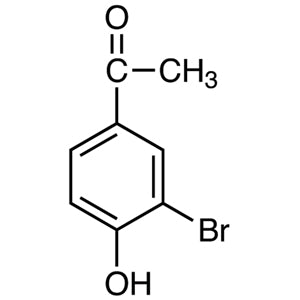
- TCI B5158 1836-06-2 3'-Bromo-4'-hydroxyacetophenone
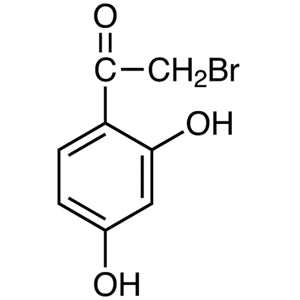
- TCI B4767 2491-39-6 2-Bromo-2',4'-dihydroxyacetophenone
- Asymmetric synthesis as a chiral auxiliary: the rigid menthyl framework blocks one molecular face, so new stereogenic centres form preferentially on the more accessible side of the substrate.
- Ene and cycloaddition chemistry with glyoxylate: the ester serves as a chiral glyoxylate equivalent after the aldehyde is liberated, transferring stereochemical information from the terpene skeleton to the product.
- Stable surrogate for free glyoxylate reagents: laboratories that cannot keep the polymerisation-prone aldehyde in usable condition use this hydrate and generate the reactive species on demand.
- Methodology and stereoselectivity studies: the clearly defined (1R,2S,5R) configuration provides an unambiguous stereochemical reference for evaluating the facial selectivity of new reactions.
- Preparation of enantiomerically enriched intermediates: the hydrophobic menthyl handle assists in the separation and purification of diastereomeric products before the auxiliary is removed.
| Brand | TCI |
|---|---|
| CAS number | 111969-64-3 |
| Molecular formula | — |
| Purity | — |
| Category | Life Science > Biochemicals and Reagents > Terpenes |
| Pack sizes | available in standard TCI catalogue pack sizes; please confirm the required size when ordering |
| Physical form | — |
| Storage | keep in a tightly closed container under the storage conditions stated on the manufacturer's label |
- Chemical identity: menthyl ester of glyoxylic acid, present as the gem-diol (2,2-dihydroxyacetate) hydrate
Store the container tightly closed in a cool, dry place away from direct sunlight, heat sources, and moisture, following the storage conditions printed on the manufacturer's label. Keep the material in its original tightly sealed container, or transfer it to a clean, chemically compatible, well-sealed vessel that is clearly labelled with the substance name and CAS number. Handle the compound in a fume hood using gloves, safety glasses, and a laboratory coat, and avoid contact with skin and eyes. Because the hydrate can release the reactive aldehyde on heating or on exposure to drying agents, avoid unnecessary warming during weighing and transfer. Close the container promptly after use, keep it away from incompatible reagents, and consult the manufacturer's safety data sheet before first use and before disposal.
—
Product Categories
Produk Terkait
-
(1R,2S,5R)-2-Isopropyl-5-methylcyclohexyl(S)-2-Hydroxypropionate TCI I0889
Regular price From Rp 1.008.000,00Regular price -
2-MethylcyclohexylAcetate TCI A1329
Regular price Rp 1.936.200,00Regular price -
3'-Hydroxyacetophenone TCI A0104
Regular price From Rp 1.060.500,00Regular price -
4'-Bromo-2'-hydroxyacetophenone TCI B5382
Regular price From Rp 823.200,00Regular price -
3'-Bromo-4'-hydroxyacetophenone TCI B5158
Regular price Rp 2.862.300,00Regular price -
2-Bromo-2',4'-dihydroxyacetophenone TCI B4767
Regular price Rp 1.405.950,00Regular price -
2-Bromo-2'-hydroxyacetophenone TCI B4735
Regular price From Rp 1.565.550,00Regular price -
2-Bromo-4'-hydroxyacetophenone TCI B4115
Regular price From Rp 823.200,00Regular price