2-Bromo-2',4'-dihydroxyacetophenone is a chemical compound widely used in organic laboratory reactions. It serves as a versatile building block in the synthesis of complex molecules, particularly in substitution and oxidation reactions. This compound is valued for its reactivity and functional group versatility, making it an essential tool for chemists working on synthetic pathways. Its aromatic structure, combined with bromo and hydroxyl substituents, allows for multiple reaction sites, enabling the creation of a wide range of derivatives.
The compound's polar nature and solubility in organic solvents such as ethyl acetate and acetone make it ideal for use in various synthetic procedures. These solubility characteristics facilitate efficient mixing, purification, and reaction conditions in laboratory settings. Additionally, its stability under controlled conditions ensures that it remains effective throughout the experimental process. This stability, along with its reactivity, contributes to its popularity among researchers.
In Indonesian laboratories, 2-Bromo-2',4'-dihydroxyacetophenone is commonly used in scientific research, particularly in organic chemistry and the synthesis of new compounds. Local researchers frequently employ this compound to develop pharmaceutical products, industrial chemicals, and novel materials. Its availability and chemical properties make it a preferred choice for both academic and industrial applications.
Related TCI products
- Organic synthesis is a primary application where this compound is used to create complex molecules through substitution and oxidation reactions.
- Pharmaceutical research benefits from its reactivity, allowing the development of new drug compounds and active pharmaceutical ingredients.
- Material science applications utilize its chemical versatility to synthesize new polymers and functional materials.
- Analytical chemistry labs use it as a reference standard for identifying and quantifying similar compounds in samples.
- Industrial chemical production relies on its stability and solubility to facilitate large-scale synthesis processes.
| Brand | TCI |
|---|---|
| CAS number | 2491-39-6 |
| Molecular formula | — |
| Purity | — |
| Category | Chemistry > Building Blocks > Non-Heterocyclic Building Blocks |
| Pack sizes | Available in various quantities as per supplier specifications |
| Physical form | Solid, crystalline appearance |
| Storage | Store in a cool, dry place away from light and moisture |
This compound should be stored in a cool, dry environment, away from direct light and moisture to maintain its stability and reactivity. It is recommended to use airtight containers made of glass or high-density polyethylene to prevent contamination and evaporation. Due to its polar nature, it should be handled with care to avoid exposure to incompatible substances. In laboratory settings, it is advisable to use appropriate personal protective equipment, including gloves and safety goggles, when handling or transferring the compound. Proper ventilation should be maintained to ensure safe working conditions. Regular monitoring of storage conditions is essential to ensure the compound remains suitable for use in chemical reactions.
—
Produk Terkait
-
3',4'-Dihydroxyacetophenone TCI D2345
Regular price From Rp 3.472.350,00Regular priceRp 2.443.350,00Sale price From Rp 3.472.350,00 -
2',5'-Dihydroxyacetophenone TCI D1955
Regular price From Rp 1.326.150,00Regular priceRp 942.900,00Sale price From Rp 1.326.150,00 -
2',6'-Dihydroxyacetophenone TCI D1716
Regular price From Rp 928.200,00Regular priceRp 664.650,00Sale price From Rp 928.200,00 -
2',4'-Dihydroxyacetophenone TCI D0561
Regular price From Rp 822.150,00Regular priceRp 590.100,00Sale price From Rp 822.150,00 -
3'-Hydroxyacetophenone TCI A0104
Regular price From Rp 1.113.000,00Regular priceRp 793.800,00Sale price From Rp 1.113.000,00 -
2',4',6'-TrihydroxyacetophenoneMonohydrate TCI T1888
Regular price From Rp 1.246.350,00Regular priceRp 887.250,00Sale price From Rp 1.246.350,00 -
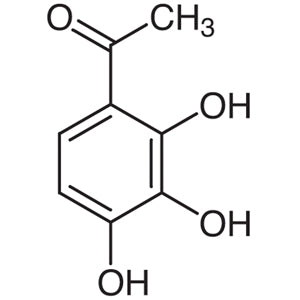
2',3',4'-Trihydroxyacetophenone TCI T1198
Regular price From Rp 1.220.100,00Regular priceRp 868.350,00Sale price From Rp 1.220.100,00 -
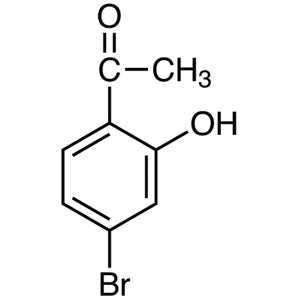
4'-Bromo-2'-hydroxyacetophenone TCI B5382
Regular price From Rp 875.700,00Regular priceRp 627.900,00Sale price From Rp 875.700,00