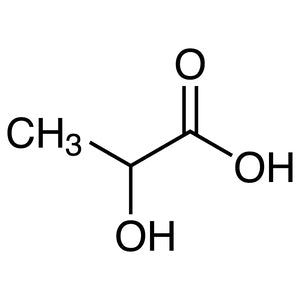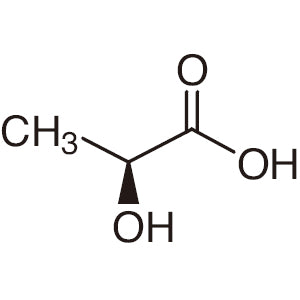
L-Lactic Acid is 2-hydroxypropanoic acid in the L configuration, the enantiomer produced naturally through metabolic pathways and microbial fermentation. The molecule is structurally simple yet remarkably versatile, because it carries a carboxylic acid group and a secondary hydroxyl group on neighbouring carbons, together with one well-defined chiral centre. In the laboratory this compound plays several roles at once: a chiral building block in asymmetric synthesis, a monomer for biodegradable polymers, and a reference substance in biochemical and food-science work that traces the presence and concentration of lactate in biological samples and fermented products.
The properties that make it a preferred choice begin with controlled enantiomeric purity, good solubility in water and polar solvents, and the reactivity of two functional groups that can be addressed separately. The combination of a carboxyl and a hydroxyl group opens routes to esterification, amidation, lactonisation, and polycondensation, so a single starting material supports a wide range of transformations. Lactic acid is also hygroscopic and tends to form oligomers when exposed to heat or when water is lost, which means that control of storage conditions is an integral part of working with it successfully.
Because the material originates from a naturally derived source and is supplied under the TCI brand, it fits the routine needs of Indonesian laboratories in university chemistry departments, polymer and materials research groups, food and fermentation laboratories, and biochemistry facilities. It is typically used where a defined single enantiomer is required rather than a racemic mixture, whether as a synthetic starting point, a polymer precursor, or an analytical reference for lactate determination in local research and teaching work.
- Asymmetric synthesis as a chiral building block: the single defined stereocentre transfers existing chirality into target molecules, avoiding the need for separate resolution or chiral auxiliary steps.
- Preparation of biodegradable polymers: as a monomer it undergoes polycondensation through its carboxyl and hydroxyl groups, supporting research on polylactic acid and related degradable materials.
- Esterification and amidation studies: the carboxylic acid group reacts readily with alcohols and amines, making this a convenient substrate for teaching and optimising standard derivatisation chemistry.
- Lactonisation and cyclisation work: the neighbouring hydroxyl and carboxyl groups allow intramolecular reaction, giving access to lactide and related cyclic intermediates used in polymer research.
- Reference substance for biochemical and food analysis: the defined L configuration makes it suitable for tracing lactate presence and concentration in biological samples and fermented products.
| Brand | TCI |
|---|---|
| CAS number | 79-33-4 |
| Molecular formula | — |
| Purity | — |
| Category | Chemistry > Asymmetric Synthesis > Chiral Building Blocks |
| Pack sizes | available in the standard TCI catalogue pack sizes; please confirm the size required when ordering |
| Physical form | — |
| Storage | keep in a tightly closed container, protected from moisture and heat |
- Catalogue number: L0165
Store the container tightly closed in a cool, dry place away from direct heat and sunlight. Because L-lactic acid is hygroscopic and can form oligomers when it takes up moisture or loses water on heating, the original manufacturer container or an equivalent tightly sealed, chemically compatible vessel is preferred, and the closure should be replaced immediately after each use. Handle in a well-ventilated area or fume hood, wear safety glasses, gloves, and a laboratory coat, and avoid contact with skin and eyes as the material is acidic. Keep away from strong bases and strong oxidising agents, and consult the manufacturer's safety data sheet before first use.
—
Produk Terkait
-
DL-LacticAcid TCI L0226
Regular price From Rp 452.550,00Regular price -
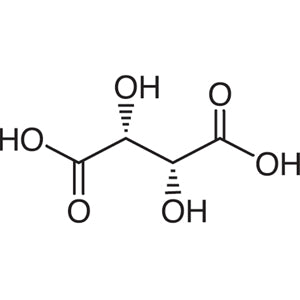
L-(+)-TartaricAcid TCI T0025
Regular price From Rp 477.750,00Regular price -
D-LacticAcid TCI L0266
Regular price From Rp 2.809.800,00Regular price -
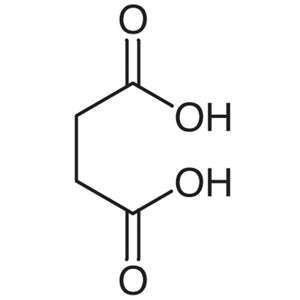
SuccinicAcid TCI S0100
Regular price From Rp 477.750,00Regular price -
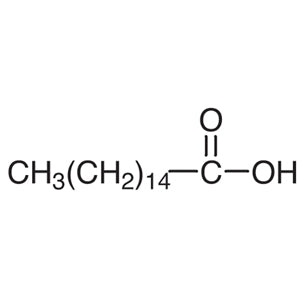
PalmiticAcid TCI P1145
Regular price Rp 2.704.800,00Regular price -
PalmiticAcid TCI P0002
Regular price From Rp 505.050,00Regular price -
L-(-)-MalicAcid TCI M0022
Regular price From Rp 637.350,00Regular price -
DL-MalicAcid TCI M0020
Regular price From Rp 477.750,00Regular price