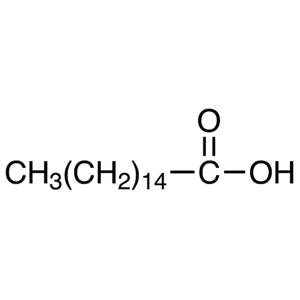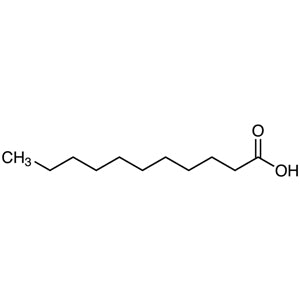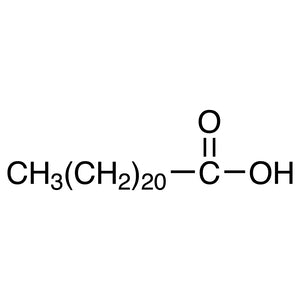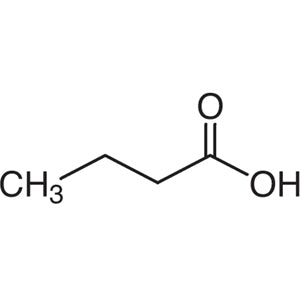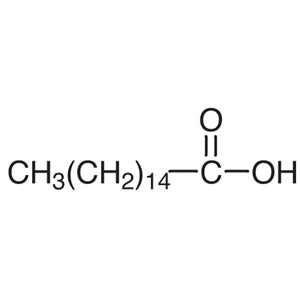
Palmitic acid (57-10-3) is a saturated fatty acid commonly used in various chemical experiments within laboratory settings. As a fundamental compound in organic chemistry, it plays a crucial role in the synthesis of complex compounds such as esters, soaps, and surfactants. Its presence in laboratory research supports the development of new chemical products and the study of molecular behavior under different conditions. This compound is widely recognized for its versatility and stability, making it an essential tool for chemists and researchers in diverse fields.
The properties of palmitic acid that make it a preferred choice include its stable molecular structure and predictable chemical behavior. It is a solid at room temperature and dissolves well in organic solvents like ethyl acetate and chloroform. Its non-reactive nature towards most chemical substances ensures safety during experiments, reducing the risk of unexpected reactions. These characteristics make it suitable for a wide range of laboratory applications, from basic chemical synthesis to more advanced research projects.
In Indonesian laboratories, palmitic acid is frequently used in chemical, pharmaceutical, and biotechnology research. It is an integral part of practical training programs, where students learn about its properties and applications. Its use spans from academic research to industrial applications, supporting both educational and scientific advancements in the region.
TCI brochures (PDF)
- Colloidal Quantum Dot (QD) Research Reagents 2026-05-21 · p. 3
- Lipids 2025-12-17 · p. 4
- Building Blocks for Organic Semiconductor 2026-03-24 · p. 42
- Organic synthesis experiments benefit from palmitic acid due to its stability and ability to participate in esterification and saponification reactions.
- Pharmaceutical research utilizes palmitic acid to study lipid metabolism and its impact on human health, aiding in drug development.
- Biotecnology applications involve palmitic acid in the production of surfactants and emulsifiers, essential for biocompatible materials.
- Educational institutions incorporate palmitic acid into chemistry courses to teach fundamental concepts of fatty acids and molecular structure.
- Industrial laboratories use palmitic acid as a raw material for manufacturing soaps, coatings, and other chemical products.
| Brand | TCI |
|---|---|
| CAS number | 57-10-3 |
| Molecular formula | — |
| Purity | — |
| Category | Chemistry > Building Blocks > Non-Heterocyclic Building Blocks |
| Pack sizes | Available in various quantities as per standard laboratory supply |
| Physical form | Solid at room temperature |
| Storage | Store in a cool, dry place away from direct sunlight |
Palmitic acid should be stored in a cool, dry place, away from direct sunlight and moisture. It is recommended to use airtight containers to prevent exposure to air and humidity, which may affect its stability. Due to its solid form at room temperature, it should be kept in a secure location to avoid accidental spills or contamination. General laboratory precautions include wearing appropriate personal protective equipment when handling the substance. It is important to ensure that storage areas are well-ventilated and free from incompatible materials. Proper handling and storage practices help maintain the integrity of the compound and ensure safe laboratory operations.
—
Product Categories
Produk Terkait
-
PalmiticAcid TCI P0002
Regular price From Rp 505.050,00Regular priceRp 352.800,00Sale price From Rp 505.050,00 -
ValericAcid TCI V0003
Regular price From Rp 610.050,00Regular priceRp 426.300,00Sale price From Rp 610.050,00 -
UndecanoicAcid TCI U0004
Regular price From Rp 1.008.000,00Regular priceRp 720.300,00Sale price From Rp 1.008.000,00 -
BehenicAcid TCI B1747
Regular price Rp 4.028.850,00Regular priceRp 2.832.900,00Sale price Rp 4.028.850,00 -
ButyricAcid TCI B0754
Regular price From Rp 477.750,00Regular priceRp 333.900,00Sale price From Rp 477.750,00 -
StearicAcid TCI S0163
Regular price From Rp 477.750,00Regular priceRp 333.900,00Sale price From Rp 477.750,00 -
SuccinicAcid TCI S0100
Regular price From Rp 530.250,00Regular priceRp 386.400,00Sale price From Rp 530.250,00 -
SorbicAcid TCI S0053
Regular price From Rp 505.050,00Regular priceRp 368.550,00Sale price From Rp 505.050,00