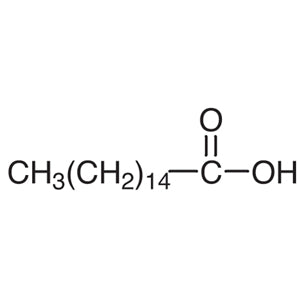
Sorbic Acid (TCI S0053), with CAS number 110-44-1, is a widely used chemical compound in laboratory settings. It serves as a fundamental building block in organic chemistry, playing a crucial role in various synthetic processes. Its simple molecular structure allows for versatile applications, making it an essential reagent in both qualitative and quantitative analyses. This compound is particularly valuable for its stability and ease of handling, which contribute to its reliability in experimental procedures.
Sorbic Acid is prized for its chemical stability and solubility in organic solvents such as ethyl acetate and acetone. These properties make it ideal for preparing solutions and mixtures required in specific reactions. Additionally, its antioxidant and antifungal characteristics enhance its utility in diverse laboratory applications. The compound’s predictable behavior under normal conditions ensures consistent results, making it a preferred choice for researchers and chemists.
In Indonesian laboratories, Sorbic Acid is commonly used in organic synthesis, particularly in reactions involving carbon chain manipulation and functional group modification. It is also employed in analytical procedures and as a component in reagent mixtures. Its availability in various packaging formats supports its use in both small-scale and larger laboratory operations. The compound’s versatility and reliability make it a staple in many research environments across Indonesia.
TCI brochures (PDF)
- Colloidal Quantum Dot (QD) Research Reagents 2026-05-21 · p. 4
- Lipids 2025-12-17 · p. 5
- Organic synthesis: Sorbic Acid is widely used in the synthesis of organic compounds due to its reactivity and stability, enabling the creation of complex molecules through functional group modification and carbon chain manipulation.
- Qualitative and quantitative analysis: Its chemical stability and solubility make it an ideal reagent for use in analytical procedures, supporting accurate and reproducible results in laboratory testing.
- Reagent mixtures preparation: Sorbic Acid is commonly included in reagent mixtures for specific reactions, providing a reliable and consistent component that enhances experimental outcomes.
- Antioxidant applications: Its inherent antioxidant properties make it suitable for experiments involving oxidation-reduction reactions and stability testing of organic compounds.
- Antifungal testing: Sorbic Acid’s antifungal activity is utilized in microbiological studies to assess the effectiveness of antifungal agents and to inhibit microbial growth in controlled environments.
| Brand | TCI |
|---|---|
| CAS number | 110-44-1 |
| Molecular formula | — |
| Purity | — |
| Category | Chemistry > Building Blocks > Non-Heterocyclic Building Blocks |
| Pack sizes | Available in various packaging formats to suit different laboratory needs |
| Physical form | Solid, typically in powder or crystalline form |
| Storage | Store in a cool, dry place away from direct sunlight and moisture |
Sorbic Acid should be stored in a cool, dry environment to maintain its chemical stability and prevent degradation. It is recommended to keep the compound in airtight containers to minimize exposure to moisture and air, which could affect its purity. Suitable storage conditions include a temperature range of 15–25°C with low humidity levels. In laboratory settings, it is important to handle Sorbic Acid with appropriate personal protective equipment, such as gloves and safety goggles, to ensure safe handling. The compound is generally non-reactive under normal conditions, but care should be taken to avoid contamination and maintain its integrity during storage and use.
—
Product Categories
Produk Terkait
-
PalmiticAcid TCI P1145
Regular price Rp 2.704.800,00Regular priceRp 1.891.050,00Sale price Rp 2.704.800,00 -
PropionicAcid TCI P0500
Regular price From Rp 505.050,00Regular priceRp 368.550,00Sale price From Rp 505.050,00 -
PalmiticAcid TCI P0002
Regular price From Rp 505.050,00Regular priceRp 352.800,00Sale price From Rp 505.050,00 -
ValericAcid TCI V0003
Regular price From Rp 610.050,00Regular priceRp 426.300,00Sale price From Rp 610.050,00 -
10-UndecenoicAcid TCI U0007
Regular price From Rp 557.550,00Regular priceRp 405.300,00Sale price From Rp 557.550,00