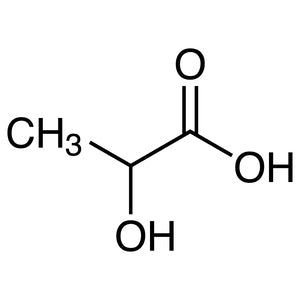
DL-Lactic Acid is a versatile chemical compound widely used in chemical and biochemical experiments. As a fundamental building block in organic chemistry, it plays a crucial role in the synthesis of various organic compounds, particularly in the development of biodegradable polymers and pharmaceutical products. Its importance extends to both research and educational settings, where it is essential for studying chemical reactions, material processing, and the development of new products. This compound is favored for its reactivity and ability to participate in a wide range of chemical transformations, making it a key component in many laboratory workflows.
DL-Lactic Acid is characterized by its reactive nature and strong acidic properties, which contribute to its effectiveness in various chemical processes. It is water-soluble and has a relatively low melting point, making it easy to handle and store. These physical properties ensure that it remains a reliable and accessible material for laboratory use. The compound’s simple molecular structure further enhances its reactivity, allowing it to be a preferred choice for both industrial and academic applications. Its consistent performance and predictable behavior in different experimental conditions make it a valuable tool in chemical research.
In Indonesian laboratories, DL-Lactic Acid is commonly used across multiple disciplines, including organic chemistry, biochemistry, and materials science. It is an essential reagent for researchers and students alike, supporting a wide range of experiments and educational activities. Its availability and ease of use make it a staple in many laboratory setups, ensuring that it remains a critical component in both teaching and research environments. The compound’s reliability and adaptability continue to make it a popular choice among scientists and educators in Indonesia.
- Organic chemistry research benefits from DL-Lactic Acid due to its role in synthesizing biodegradable polymers and pharmaceutical compounds, offering a reliable and versatile building block for complex molecular structures.
- Biochemical experiments often utilize DL-Lactic Acid as a key reagent in studying metabolic pathways and enzyme activity, providing a stable and reactive compound for analytical studies.
- Materials science applications rely on DL-Lactic Acid for the development of biodegradable and sustainable materials, supporting innovation in eco-friendly product design and production.
- Educational laboratories use DL-Lactic Acid to teach fundamental chemical reactions and synthesis techniques, offering students hands-on experience with a widely applicable compound.
- Industrial research and development projects incorporate DL-Lactic Acid to explore new applications in chemical processing and formulation, enhancing the efficiency of product development cycles.
| Brand | TCI |
|---|---|
| CAS number | 50-21-5 |
| Molecular formula | — |
| Purity | — |
| Category | Chemistry > Building Blocks > Non-Heterocyclic Building Blocks |
| Pack sizes | 500g, 1kg, 2.5kg |
| Physical form | White crystalline solid |
| Storage | Store in a cool, dry place away from moisture and direct sunlight |
DL-Lactic Acid should be stored in a cool, dry environment to maintain its chemical integrity and prevent degradation. It is recommended to use airtight containers to protect it from moisture and contaminants. Since it is a water-soluble compound, exposure to humidity can affect its purity and usability. Proper labeling of storage containers is essential for safe handling and identification. In laboratory settings, it is important to ensure that the compound is kept away from incompatible substances and that appropriate personal protective equipment is used during handling. Regular monitoring of storage conditions helps maintain the quality and effectiveness of DL-Lactic Acid for ongoing research and educational purposes.
—
Product Categories
Produk Terkait
-
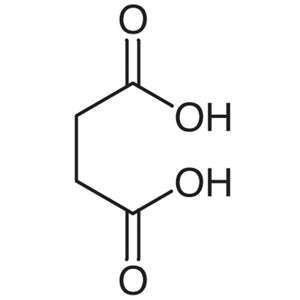
SuccinicAcid TCI S0100
Regular price From Rp 477.750,00Regular price -
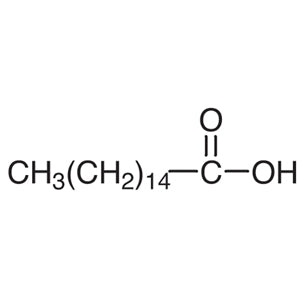
PalmiticAcid TCI P1145
Regular price Rp 2.704.800,00Regular price -
PalmiticAcid TCI P0002
Regular price From Rp 505.050,00Regular price -
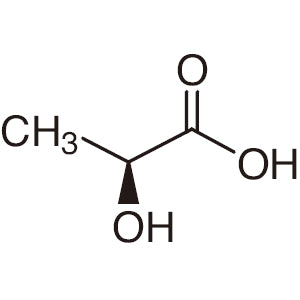
L-LacticAcid TCI L0165
Regular price From Rp 955.500,00Regular price -
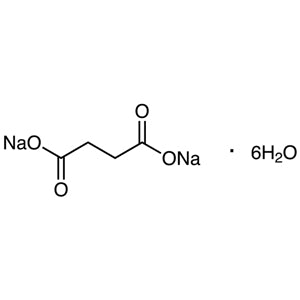
DisodiumSuccinateHexahydrate TCI S0105
Regular price From Rp 477.750,00Regular price -
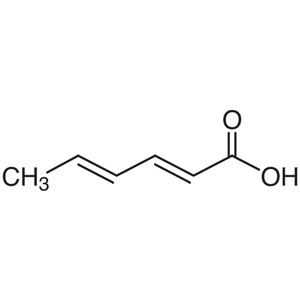
SorbicAcid TCI S0053
Regular price From Rp 452.550,00Regular price -
PropionicAcid TCI P0500
Regular price From Rp 452.550,00Regular price -
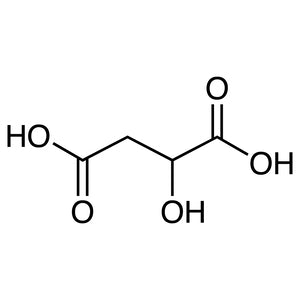
DL-MalicAcid TCI M0020
Regular price From Rp 477.750,00Regular price