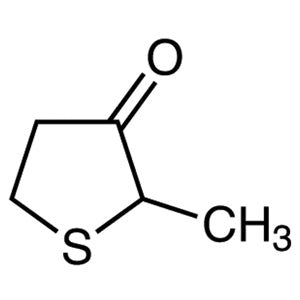
TCI M1839 2-Methyl-3-tetrahydrothiophenone is a saturated five-membered cyclic ketone containing a single sulfur atom within its ring, with a methyl group positioned directly adjacent to the carbonyl group. The compound is well known across two domains at once: as a sulfur-containing heterocyclic building block for synthetic chemists, and as an aroma-contributing compound with the savory, cooked character familiar to food chemists. The presence of sulfur inside the ring imparts electronic and olfactory properties that neither its oxygen nor its carbon analogues can reproduce.
The properties that make this compound a preferred choice begin with the combination of a reactive carbonyl group and an electron-donating sulfur atom held within one compact framework. The alpha carbon situated between the methyl group and the carbonyl is acidic and therefore readily deprotonated to form an enolate, opening a route to alkylation, aldol reactions, and other condensations at a controlled position. The carbonyl group itself can be reduced to the corresponding alcohol, converted to an amine by reductive amination, or transformed into oxime and hydrazone derivatives. At the same time, the sulfur atom can be oxidized stepwise to the sulfoxide or the sulfone, so that the polarity and reactivity of the ring can be tuned.
In Indonesian laboratories, this reagent is typically handled in synthetic organic chemistry groups building heterocyclic scaffolds, and in food and flavor chemistry laboratories examining thermally generated aroma compounds. It is generally used at small scale on the bench, in fume-hood work where its pronounced odor is managed by ventilation, and as a reference material or starting point in method development rather than as a bulk process input.
Related TCI products
- Heterocyclic scaffold synthesis: the sulfur-containing five-membered ring provides a ready-made core that chemists can elaborate rather than assemble from scratch, shortening synthetic routes toward more complex targets.
- Enolate alkylation and aldol chemistry: the acidic alpha carbon between the methyl and carbonyl groups is deprotonated selectively, allowing carbon–carbon bonds to be formed at a predictable, controlled ring position.
- Carbonyl derivatization studies: the ketone can be reduced to an alcohol, converted to an amine by reductive amination, or turned into oxime and hydrazone derivatives for structural and analytical work.
- Sulfur oxidation investigations: stepwise oxidation of the ring sulfur to the sulfoxide and then the sulfone lets researchers deliberately tune the polarity and reactivity of the whole ring system.
- Flavor and aroma chemistry research: the compound contributes a savory character typical of thermally processed foods, making it useful as a reference substance in studies of cooked-food aroma formation.
| Brand | TCI (Tokyo Chemical Industry) |
|---|---|
| CAS number | 13679-85-1 |
| Molecular formula | — |
| Purity | — |
| Category | Chemistry > Building Blocks > Heterocyclic Building Blocks |
| Pack sizes | research-scale packaging as listed on the product page; please confirm the available size when ordering |
| Physical form | — |
| Storage | keep in a tightly closed container as indicated on the manufacturer's label |
- Catalogue number: M1839
Store the container tightly closed in a cool, dry, well-ventilated place away from heat, open flames, and strong oxidizing agents, following the conditions stated on the manufacturer's label and safety data sheet. Keep the material in its original chemically compatible container, and use tightly sealed amber glass vials for any working aliquots. Because sulfur-containing ketones have a strong and persistent odor, all transfers and reactions should be carried out inside a fume hood. Wear safety goggles, nitrile gloves, and a laboratory coat, avoid inhalation and skin contact, and close the container promptly after use. Collect waste and contaminated glassware separately for chemical waste disposal.
—
Produk Terkait
-
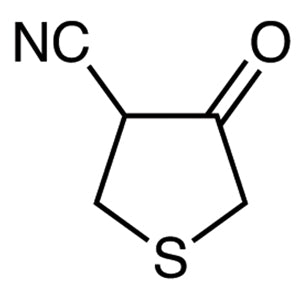
4-Cyano-3-tetrahydrothiophenone TCI C1164
Regular price From Rp 1.115.100,00Regular price -
Tetrahydrothiophene1,1-Dioxide TCI T0115
Regular price From Rp 477.750,00Regular price -
Tetrahydrothiophene TCI T0114
Regular price From Rp 769.650,00Regular price -
6,7-Dihydro-4-benzo[b]thiophenone TCI D5714
Regular price From Rp 1.326.150,00Regular price -
4,5-Dihydro-3(2H)-thiophenone TCI D3511
Regular price From Rp 875.700,00Regular price -
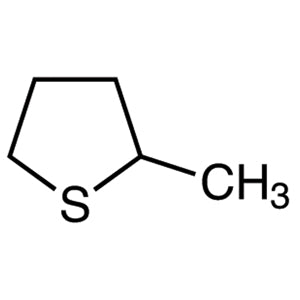
2-Methyltetrahydrothiophene TCI B0257
Regular price From Rp 8.772.750,00Regular price -
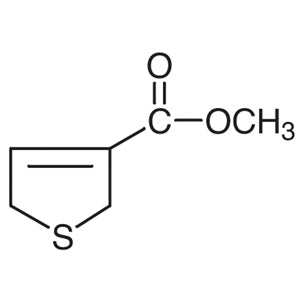
Methyl2,5-Dihydrothiophene-3-carboxylate TCI D2882
Regular price From Rp 1.140.300,00Regular price -
Tetrahydrothiopyran-4-one1,1-Dioxide TCI T3320
Regular price From Rp 1.644.300,00Regular price


![6,7-Dihydro-4-benzo[b]thiophenone (CAS 13414-95-4) - TCI D5714 - AMI Scientific](http://amiscientific.com/cdn/shop/files/TCI2510D5714.jpg?v=1767109116&width=533)