


2-Methyltetrahydrothiophene is a chemical compound widely used as a building block in various chemical reactions, particularly in the synthesis of heterocyclic compounds and complex organic molecules. Its simple molecular structure allows it to participate effectively in substitution and cyclic reactions, making it a versatile reagent in synthetic chemistry. In laboratory settings, it serves as a key component in the development of new compounds with applications in pharmaceuticals, materials science, and industrial chemistry. Due to its stable molecular structure and controlled reactivity, it is a reliable choice for chemists working on diverse synthetic pathways.
This compound is valued for its non-polar nature and solubility in organic solvents such as ethyl acetate and chloroform. These properties make it compatible with a wide range of reaction conditions and functional group interactions. Its ability to form stable intermediates and participate in various reaction mechanisms enhances its utility in both academic and industrial research. The flexibility of 2-Methyltetrahydrothiophene allows it to be used in multiple synthetic strategies, contributing to the efficiency and success of chemical synthesis processes.
In Indonesian laboratories, 2-Methyltetrahydrothiophene is extensively used in organic chemistry research and the synthesis of complex compounds. It is commonly employed in experiments aimed at creating new molecules or modifying existing ones for various applications. Many research institutions and universities rely on this compound as a fundamental reagent in their experimental workflows, supporting advancements in chemical sciences and related fields.
Related TCI products
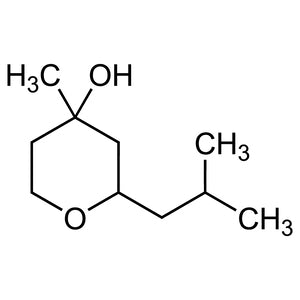
- TCI T4346 63500-71-0 2-Isobutyl-4-methyltetrahydro-2H-pyran-4-ol (mixture of isomers)
- TCI T0115 126-33-0 Tetrahydrothiophene 1,1-Dioxide
- TCI T0114 110-01-0 Tetrahydrothiophene
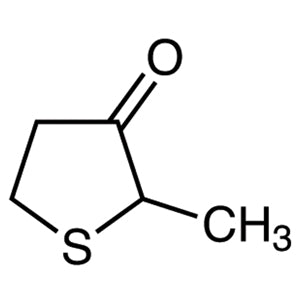
- TCI M1839 13679-85-1 2-Methyl-3-tetrahydrothiophenone
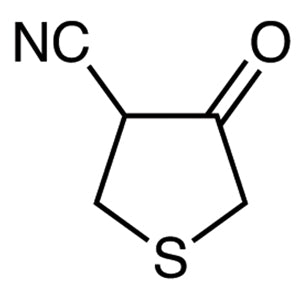
- TCI C1164 16563-14-7 4-Cyano-3-tetrahydrothiophenone
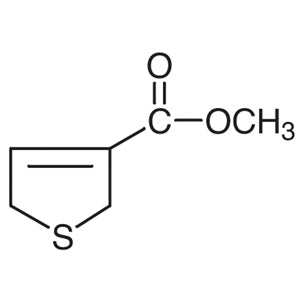
- TCI D2882 67488-46-4 Methyl 2,5-Dihydrothiophene-3-carboxylate
- Organic synthesis is a key application where 2-Methyltetrahydrothiophene is used to build complex molecular structures through substitution and cyclization reactions.
- Pharmaceutical research benefits from its role in the synthesis of heterocyclic compounds, which are common in drug development and medicinal chemistry.
- Material science applications utilize its reactivity to create functionalized compounds with specific properties for advanced materials.
- Industrial chemical processes incorporate this compound for the production of specialty chemicals and intermediates.
- Academic research relies on its stability and versatility to explore new synthetic methodologies and reaction mechanisms.
| Brand | TCI |
|---|---|
| CAS number | 1795-09-1 |
| Molecular formula | — |
| Purity | — |
| Category | Chemistry > Building Blocks > Non-Heterocyclic Building Blocks |
| Pack sizes | Available in various quantities as per standard laboratory requirements |
| Physical form | Liquid |
| Storage | Store in a cool, dry place away from direct sunlight |
This compound should be stored in a cool, dry environment, away from direct sunlight and sources of heat. It is recommended to use airtight containers made of materials compatible with organic solvents to prevent evaporation and contamination. Due to its non-polar nature, it is important to ensure proper ventilation in the laboratory to avoid inhalation of vapors. Always handle with care, using appropriate personal protective equipment such as gloves and safety goggles. Avoid contact with incompatible materials and ensure that storage areas are secure to prevent accidental exposure. Proper storage conditions help maintain the compound’s stability and effectiveness in chemical reactions.
—
Produk Terkait
-
2-Isobutyl-4-methyltetrahydro-2H-pyran-4-ol(mixtureofisomers) TCI T4346
Regular price From Rp 1.378.650,00Regular price -
Tetrahydrothiophene1,1-Dioxide TCI T0115
Regular price From Rp 477.750,00Regular price -
Tetrahydrothiophene TCI T0114
Regular price From Rp 769.650,00Regular price -
2-Methyl-3-tetrahydrothiophenone TCI M1839
Regular price From Rp 1.565.550,00Regular price -
4-Cyano-3-tetrahydrothiophenone TCI C1164
Regular price From Rp 1.115.100,00Regular price -
Methyl2,5-Dihydrothiophene-3-carboxylate TCI D2882
Regular price From Rp 1.140.300,00Regular price -
Tetrahydrothiopyran-4-one1,1-Dioxide TCI T3320
Regular price From Rp 1.644.300,00Regular price -
5,6,7,7a-Tetrahydrothieno[3,2-c]pyridin-2(4H)-oneHydrochloride TCI T2984
Regular price From Rp 717.150,00Regular price



![115473-15-9 5,6,7,7a-Tetrahydrothieno[3,2-c]pyridin-2(4H)-one Hydrochloride - AMI Scientific](http://amiscientific.com/cdn/shop/files/TCI2510T2984.jpg?v=1767143601&width=533)