

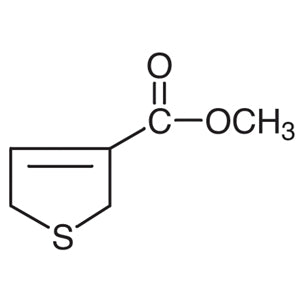
Methyl 2,5-Dihydrothiophene-3-carboxylate is a chemical compound widely used in laboratory settings as a building block for the synthesis of heterocyclic compounds. This versatile reagent plays a crucial role in organic chemistry by enabling the formation of complex molecular structures. Its unique chemical properties make it an essential tool for researchers working on drug development and advanced chemical synthesis. Due to its stability and reactivity, it is frequently employed in various synthetic pathways that require precise control over molecular architecture.
One of the key reasons this compound is preferred in laboratories is its chemical stability and compatibility with a wide range of reaction conditions. Its non-toxic nature also contributes to its popularity, as it reduces safety concerns in laboratory environments. Additionally, its ability to participate in multiple types of chemical reactions, such as substitution and condensation, makes it a valuable resource for chemists. These properties ensure that it remains a reliable and efficient choice for both academic and industrial research.
In Indonesian laboratories, Methyl 2,5-Dihydrothiophene-3-carboxylate is commonly used in educational and research institutions. Its availability and consistent performance make it a preferred material for experiments involving heterocyclic synthesis. It is particularly useful in pharmaceutical and chemical research, where the development of new compounds is a key focus. Its role in supporting scientific innovation is well recognized in the Indonesian scientific community.
- Synthesis of heterocyclic compounds for the development of new pharmaceuticals due to its structural versatility and reactivity in organic reactions.
- Testing the reactivity of compounds in substitution and condensation reactions because of its ability to participate in various chemical transformations.
- Research into molecular structure and properties for understanding chemical behavior in advanced synthetic pathways.
- Development of novel drug candidates through the modification of heterocyclic frameworks in medicinal chemistry.
- Educational use in undergraduate and graduate chemistry courses to teach synthetic methods and heterocyclic chemistry concepts.
| Brand | TCI |
|---|---|
| CAS number | 67488-46-4 |
| Molecular formula | — |
| Purity | — |
| Category | Chemistry > Building Blocks > Heterocyclic Building Blocks |
| Pack sizes | Available in standard laboratory quantities as per supplier specifications |
| Physical form | Solid or liquid, depending on the specific product variant |
| Storage | Store in a cool, dry place away from direct sunlight and moisture |
This compound should be stored in a cool, dry environment to maintain its chemical integrity. It is recommended to keep it in a sealed container to prevent exposure to moisture and air. Due to its non-toxic nature, general laboratory safety protocols should be followed, including proper ventilation and the use of personal protective equipment. It is important to avoid contact with incompatible substances and ensure that storage conditions are suitable for long-term stability. Regular monitoring of storage conditions will help ensure the compound remains effective for use in laboratory applications.
—
Produk Terkait
-
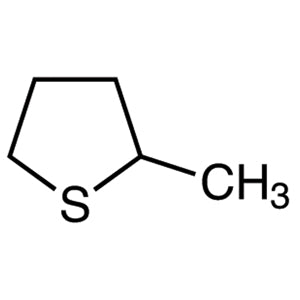
2-Methyltetrahydrothiophene TCI B0257
Regular price From Rp 8.772.750,00Regular price -
Tetrahydrothiophene1,1-Dioxide TCI T0115
Regular price From Rp 477.750,00Regular price -
Tetrahydrothiophene TCI T0114
Regular price From Rp 769.650,00Regular price -
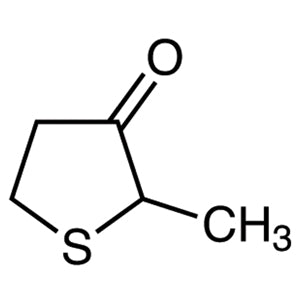
2-Methyl-3-tetrahydrothiophenone TCI M1839
Regular price From Rp 1.565.550,00Regular price -
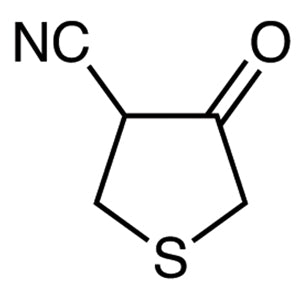
4-Cyano-3-tetrahydrothiophenone TCI C1164
Regular price From Rp 1.115.100,00Regular price -
tert-Butyl1-Oxa-6-azaspiro[2.5]octane-6-carboxylate TCI B5501
Regular price From Rp 3.021.900,00Regular price -
tert-Butyl6-Oxa-3-azabicyclo[3.1.0]hexane-3-carboxylate TCI B5385
Regular price From Rp 689.850,00Regular price -
tert-Butyl3-Carbamoylpyrrolidine-1-carboxylate TCI B5248
Regular price From Rp 1.060.500,00Regular price


![147804-30-6 tert-Butyl 1-Oxa-6-azaspiro[2.5]octane-6-carboxylate - AMI Scientific](http://amiscientific.com/cdn/shop/files/TCI2510B5501_08674994-ba62-46fc-acd1-54c812460ed8.jpg?v=1767862194&width=533)
![114214-49-2 tert-Butyl 6-Oxa-3-azabicyclo[3.1.0]hexane-3-carboxylate - AMI Scientific](http://amiscientific.com/cdn/shop/files/TCI2510B5385_5494a0f2-ca27-4c7c-b2aa-345805a88f08.jpg?v=1767861794&width=533)
