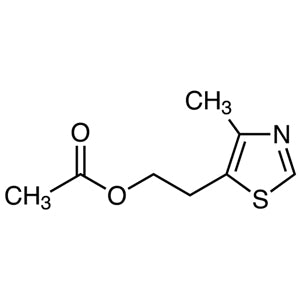
TCI M1848 2-(4-Methyl-5-thiazolyl)ethyl Acetate is the acetate ester of a thiazole alcohol commonly known as sulfurol, a compound built around a methylated thiazole ring bearing a hydroxyethyl side chain. It occupies an interesting position between heterocyclic chemistry and food chemistry: the 4-methylthiazole framework is a structural fragment that also appears in thiamine, or vitamin B1, while the ester form is recognised as a flavour and aroma ingredient. In the laboratory, this material serves as a heterocyclic building block and at the same time as a reference compound in aroma profiling work.
The property that makes it a preferred choice is the presence of an ester group that is protected yet readily reopened. The acetate group shields the primary alcohol during certain reaction stages, and can then be hydrolysed or transesterified under mild conditions to restore the hydroxyl group as a point for further functionalisation. The thiazole ring itself is aromatically stable, containing nitrogen and sulfur atoms that can coordinate to metals, and it carries a carbon position between the two heteroatoms that is relatively acidic, so it can be deprotonated for carbon–carbon bond forming reactions. Esterification also modifies the polarity pattern of the parent alcohol.
In Indonesian laboratories, this material is typically encountered in synthetic organic chemistry groups working on heterocyclic scaffolds, and in flavour and fragrance analysis where a defined thiazole ester is needed as a comparison standard. University research laboratories, food and beverage quality units, and contract analytical services all use compounds of this type to anchor identification work and to prepare intermediates for further transformation on a small, exploratory scale.
Related TCI products
- TCI A0955 53266-94-7 Ethyl (2-Amino-4-thiazolyl)acetate
- TCI E0990 64485-88-7 Ethyl (Z)-2-(2-Amino-4-thiazolyl)-2-(methoxyimino)acetate
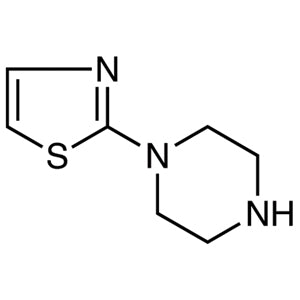
- TCI T3273 42270-37-1 1-(2-Thiazolyl)piperazine
- TCI B3602 80756-85-0 S-(2-Benzothiazolyl) (Z)-2-(2-Amino-4-thiazolyl)-2-(methoxyimino)thioacetate
- TCI A2478 65872-41-5 (Z)-2-(2-Amino-4-thiazolyl)-2-(methoxyimino)acetic Acid
- TCI A0954 29676-71-9 (2-Amino-4-thiazolyl)acetic Acid
- Heterocyclic building block synthesis: the intact 4-methylthiazole ring is carried directly into target molecules, sparing the chemist a separate ring construction sequence with its own optimisation burden.
- Protected alcohol intermediate work: the acetate masks the primary hydroxyl through reaction steps that would otherwise consume or oxidise a free alcohol, then is removed under mild hydrolysis or transesterification.
- Aroma and flavour profiling: the compound serves as a defined reference substance when identifying thiazole esters in food and beverage samples by chromatographic comparison of retention behaviour.
- Thiamine-related structural studies: the shared 4-methylthiazole fragment makes this material a convenient starting point for research on vitamin B1 analogues and related heterocyclic architectures.
- Metal coordination and ligand exploration: the ring nitrogen and sulfur atoms can bind metal centres, so the compound is used when screening simple heterocyclic donors in coordination chemistry.
| Brand | TCI (Tokyo Chemical Industry) |
|---|---|
| CAS number | 656-53-1 |
| Molecular formula | — |
| Purity | — |
| Category | Chemistry > Building Blocks > Heterocyclic Building Blocks |
| Pack sizes | supplied in standard TCI research-scale packaging; please confirm the available pack size when ordering |
| Physical form | — |
| Storage | keep in a cool, dry place in the tightly closed original container, following the manufacturer's stated storage conditions on the label |
- Catalogue number: M1848
Store the container tightly closed in a cool, dry, well-ventilated area away from heat sources, direct sunlight, and strong oxidising agents, following the storage condition printed on the manufacturer's label. Keep the material in its original supplier container, or in a chemically compatible sealed glass bottle if transferred, and label any secondary container clearly. Handle in a fume hood using safety glasses, gloves, and a laboratory coat, avoiding inhalation of vapour and contact with skin and eyes. Close the container promptly after weighing to limit exposure to moisture and air, and consult the manufacturer's safety data sheet before first use and before disposal of residues.
—
Produk Terkait
-
Ethyl(2-Amino-4-thiazolyl)acetate TCI A0955
Regular price From Rp 848.400,00Regular price -
Ethyl(Z)-2-(2-Amino-4-thiazolyl)-2-(methoxyimino)acetate TCI E0990
Regular price From Rp 928.200,00Regular price -
1-(2-Thiazolyl)piperazine TCI T3273
Regular price Rp 1.326.150,00Regular price -
S-(2-Benzothiazolyl)(Z)-2-(2-Amino-4-thiazolyl)-2-(methoxyimino)thioacetate TCI B3602
Regular price Rp 610.050,00Regular price -
(Z)-2-(2-Amino-4-thiazolyl)-2-(methoxyimino)aceticAcid TCI A2478
Regular price From Rp 689.850,00Regular price -
(2-Amino-4-thiazolyl)aceticAcid TCI A0954
Regular price From Rp 1.326.150,00Regular price -
IndoxylAcetate TCI A0068
Regular price From Rp 2.174.550,00Regular price -
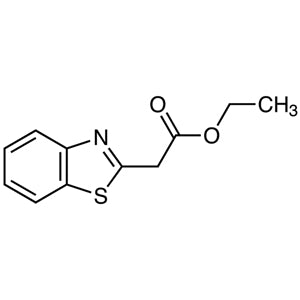
Ethyl2-(2-Benzothiazolyl)acetate TCI B2168
Regular price From Rp 1.696.800,00Regular price