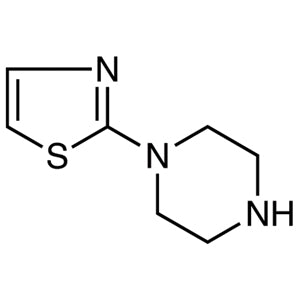
(2-Amino-4-thiazolyl)acetic Acid is a chemical compound widely used in laboratory settings as a building block for the synthesis of heterocyclic compounds. This versatile reagent plays a crucial role in organic chemistry, particularly in the development of pharmaceuticals and bioactive molecules. Its unique molecular structure, combining an amino group with a thiazole ring, makes it a valuable tool for chemists seeking to create complex molecules with specific biological activities. In research environments, it is often employed to generate derivatives with potential therapeutic applications, contributing to drug discovery and development efforts.
The compound's high reactivity and structural versatility make it a preferred choice for synthetic chemists. Its ability to participate in various chemical reactions, such as substitution, condensation, and catalytic processes, enhances its utility in laboratory applications. Additionally, its stability under controlled conditions allows for reliable handling and storage, simplifying experimental procedures. These properties ensure that (2-Amino-4-thiazolyl)acetic Acid remains a key reagent in both academic and industrial research settings.
In Indonesian laboratories, (2-Amino-4-thiazolyl)acetic Acid is commonly used in organic chemistry, pharmacology, and biochemical research. It supports the development of new compounds with medicinal potential, as well as diagnostic agents and other specialized chemical products. Its widespread application in these fields highlights its importance in advancing scientific research and innovation in the region.
Related TCI products
- TCI B3602 80756-85-0 S-(2-Benzothiazolyl) (Z)-2-(2-Amino-4-thiazolyl)-2-(methoxyimino)thioacetate
- TCI A2478 65872-41-5 (Z)-2-(2-Amino-4-thiazolyl)-2-(methoxyimino)acetic Acid
- TCI A0955 53266-94-7 Ethyl (2-Amino-4-thiazolyl)acetate
- TCI E0990 64485-88-7 Ethyl (Z)-2-(2-Amino-4-thiazolyl)-2-(methoxyimino)acetate
- TCI B6173 89336-46-9 2-[2-[(tert-Butoxycarbonyl)amino]thiazol-4-yl]acetic Acid
- TCI T3273 42270-37-1 1-(2-Thiazolyl)piperazine
- Organic synthesis: This compound is ideal for creating complex heterocyclic structures, which are essential in drug development and chemical research.
- Pharmacological research: Its ability to form biologically active derivatives makes it valuable in studying new therapeutic agents and their mechanisms of action.
- Biochemical studies: It is used in the synthesis of compounds that interact with biological systems, aiding in the understanding of molecular interactions and metabolic pathways.
- Diagnostic reagent development: The compound's reactivity and structural diversity support the creation of specialized reagents for analytical and diagnostic applications.
- Heterocyclic compound design: Its unique molecular framework enables the design of novel compounds with tailored chemical and biological properties.
| Brand | TCI |
|---|---|
| CAS number | 29676-71-9 |
| Molecular formula | — |
| Purity | — |
| Category | Chemistry > Building Blocks > Heterocyclic Building Blocks |
| Pack sizes | Available in various quantities to suit different research needs |
| Physical form | Solid, typically in powder form |
| Storage | Store in a cool, dry place away from light and moisture |
This compound should be stored in a cool, dry environment, away from direct light and moisture to maintain its stability and reactivity. It is recommended to use airtight containers to prevent exposure to air and humidity, which could affect its chemical integrity. In laboratory settings, proper personal protective equipment, such as gloves and safety goggles, should be worn when handling the material to ensure safety. The compound is generally non-hazardous under normal conditions but should be handled with care to avoid contamination or unintended chemical reactions. Its storage and handling requirements align with standard laboratory safety protocols, making it suitable for routine use in research environments.
—
Produk Terkait
-
S-(2-Benzothiazolyl)(Z)-2-(2-Amino-4-thiazolyl)-2-(methoxyimino)thioacetate TCI B3602
Regular price Rp 662.550,00Regular priceRp 478.800,00Sale price Rp 662.550,00 -
(Z)-2-(2-Amino-4-thiazolyl)-2-(methoxyimino)aceticAcid TCI A2478
Regular price From Rp 742.350,00Regular priceRp 534.450,00Sale price From Rp 742.350,00 -
Ethyl(2-Amino-4-thiazolyl)acetate TCI A0955
Regular price From Rp 900.900,00Regular priceRp 645.750,00Sale price From Rp 900.900,00 -
Ethyl(Z)-2-(2-Amino-4-thiazolyl)-2-(methoxyimino)acetate TCI E0990
Regular price From Rp 980.700,00Regular priceRp 701.400,00Sale price From Rp 980.700,00 -
2-[2-[(tert-Butoxycarbonyl)amino]thiazol-4-yl]aceticAcid TCI B6173
Regular price From Rp 822.150,00Regular priceRp 590.100,00Sale price From Rp 822.150,00 -
1-(2-Thiazolyl)piperazine TCI T3273
Regular price Rp 1.378.650,00Regular priceRp 979.650,00Sale price Rp 1.378.650,00 -
2-(4-Methyl-5-thiazolyl)ethylAcetate TCI M1848
Regular price From Rp 530.250,00Regular priceRp 386.400,00Sale price From Rp 530.250,00 -
Theophylline-7-aceticAcid TCI T2941
Regular price Rp 1.087.800,00Regular priceRp 775.950,00Sale price Rp 1.087.800,00