Ethyl (2-Amino-4-thiazolyl)acetate is a chemical compound widely used in organic synthesis reactions, particularly in the formation of heterocyclic compounds. This versatile building block contains both an amino group and a thiazole ring, enabling it to participate in various chemical reactions such as nucleophilic and electrophilic substitutions. Its structural complexity makes it a valuable tool for chemists seeking to develop new synthetic pathways. In laboratory settings, it serves as a key reagent for the synthesis of pharmaceuticals and industrial chemicals, offering a reliable and reproducible starting point for complex molecular structures.
The compound’s stability and controlled reactivity make it a preferred choice for researchers working in organic chemistry. It exhibits solubility in organic solvents such as ethyl acetate and dimethyl sulfoxide, which simplifies handling and reaction conditions. Its resistance to degradation under normal conditions ensures consistent performance and extended shelf life, reducing the risk of experimental variability. These properties contribute to its popularity in both academic and industrial research environments.
In Indonesian laboratories, Ethyl (2-Amino-4-thiazolyl)acetate is commonly used by chemists and pharmacologists for drug development, industrial chemical production, and heterocyclic compound research. Its availability through local distributors like AMI Scientific supports ongoing scientific innovation and experimentation in the region. The compound’s reliability and versatility make it an essential component in the chemical supply chain for research and development activities.
Related TCI products
- TCI B3602 80756-85-0 S-(2-Benzothiazolyl) (Z)-2-(2-Amino-4-thiazolyl)-2-(methoxyimino)thioacetate
- TCI A2478 65872-41-5 (Z)-2-(2-Amino-4-thiazolyl)-2-(methoxyimino)acetic Acid
- TCI A0954 29676-71-9 (2-Amino-4-thiazolyl)acetic Acid
- TCI M1848 656-53-1 2-(4-Methyl-5-thiazolyl)ethyl Acetate
- TCI E0990 64485-88-7 Ethyl (Z)-2-(2-Amino-4-thiazolyl)-2-(methoxyimino)acetate
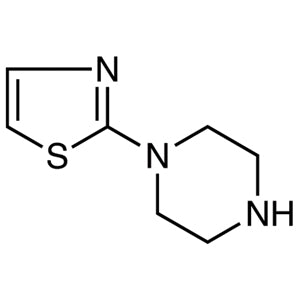
- TCI T3273 42270-37-1 1-(2-Thiazolyl)piperazine
- Organic synthesis of heterocyclic compounds due to its thiazole ring and amino group, enabling diverse reaction pathways.
- Pharmaceutical research for the development of new drugs, as it serves as a building block for complex molecular structures.
- Industrial chemical production where stable and reactive intermediates are required for large-scale manufacturing.
- Analytical chemistry applications where precise and consistent reagents are necessary for accurate experimental results.
- Academic research in chemical sciences, supporting studies on reaction mechanisms and synthetic methodologies.
| Brand | TCI |
|---|---|
| CAS number | 53266-94-7 |
| Molecular formula | — |
| Purity | — |
| Category | Chemistry > Building Blocks > Heterocyclic Building Blocks |
| Pack sizes | Available in standard laboratory quantities as per supplier specifications |
| Physical form | Solid or crystalline, depending on manufacturer |
| Storage | Store in a cool, dry place away from light and moisture |
Ethyl (2-Amino-4-thiazolyl)acetate should be stored in a cool, dry environment, away from direct light and moisture to maintain its chemical stability. It is recommended to use airtight containers made of glass or high-density polyethylene to prevent contamination and moisture ingress. In laboratory settings, it should be handled with appropriate personal protective equipment, such as gloves and safety goggles, to ensure safe handling. Due to its chemical nature, it should be stored separately from strong oxidizing or reducing agents to avoid unintended reactions. Proper labeling and storage conditions are essential to maintain the integrity and usability of the compound over time.
—
Produk Terkait
-
S-(2-Benzothiazolyl)(Z)-2-(2-Amino-4-thiazolyl)-2-(methoxyimino)thioacetate TCI B3602
Regular price Rp 662.550,00Regular priceRp 478.800,00Sale price Rp 662.550,00 -
(Z)-2-(2-Amino-4-thiazolyl)-2-(methoxyimino)aceticAcid TCI A2478
Regular price From Rp 742.350,00Regular priceRp 534.450,00Sale price From Rp 742.350,00 -
(2-Amino-4-thiazolyl)aceticAcid TCI A0954
Regular price From Rp 1.378.650,00Regular priceRp 979.650,00Sale price From Rp 1.378.650,00 -
2-(4-Methyl-5-thiazolyl)ethylAcetate TCI M1848
Regular price From Rp 530.250,00Regular priceRp 386.400,00Sale price From Rp 530.250,00 -
Ethyl(Z)-2-(2-Amino-4-thiazolyl)-2-(methoxyimino)acetate TCI E0990
Regular price From Rp 980.700,00Regular priceRp 701.400,00Sale price From Rp 980.700,00 -
1-(2-Thiazolyl)piperazine TCI T3273
Regular price Rp 1.378.650,00Regular priceRp 979.650,00Sale price Rp 1.378.650,00 -
2-Amino-5-[(5-nitro-2-thiazolyl)thio]-1,3,4-thiadiazole TCI A2940
Regular price From Rp 3.524.850,00Regular priceRp 2.480.100,00Sale price From Rp 3.524.850,00 -
IndoxylAcetate TCI A0068
Regular price From Rp 2.227.050,00Regular priceRp 1.572.900,00Sale price From Rp 2.227.050,00