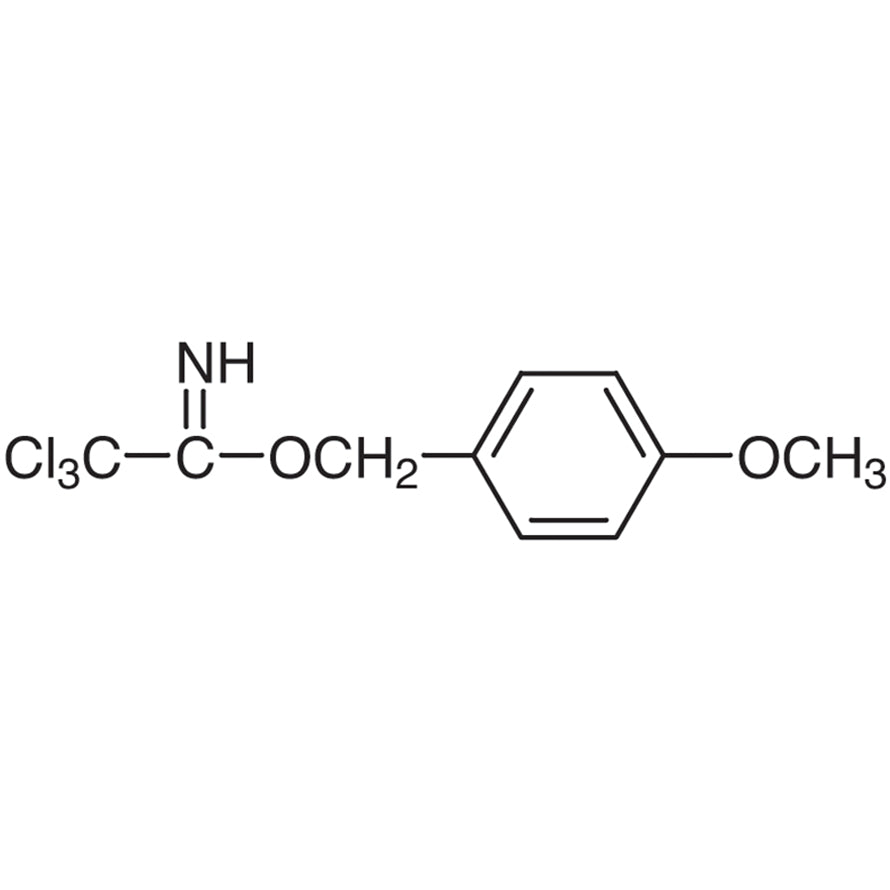
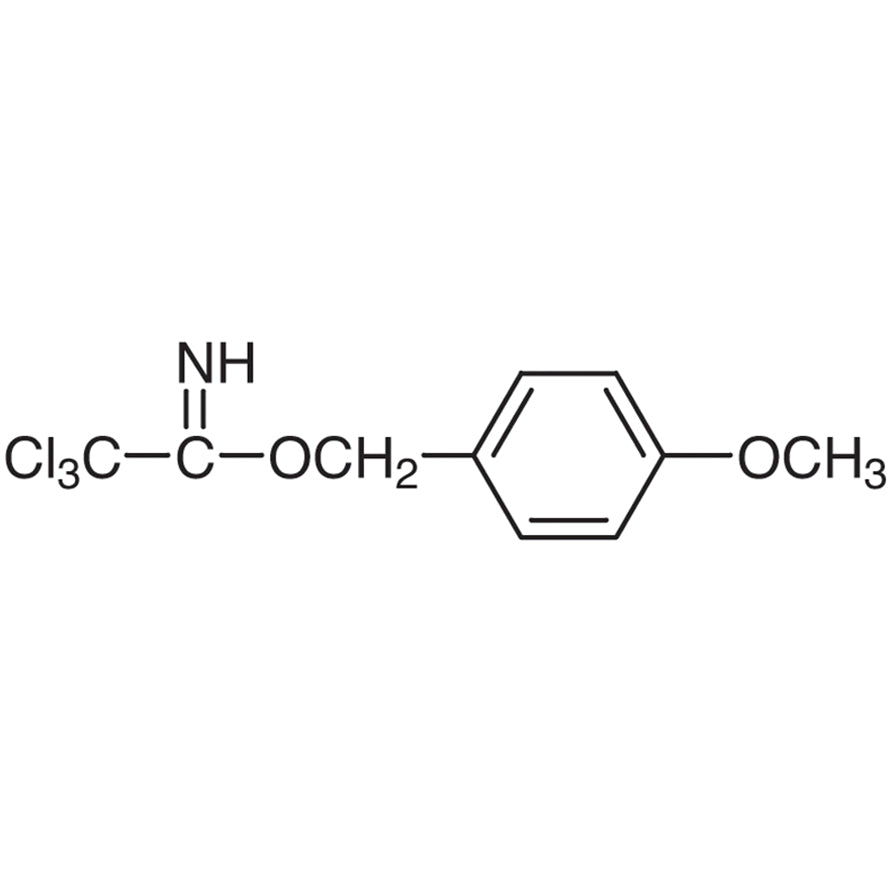
The TCI M2016 89238-99-3 4-Methoxybenzyl 2,2,2-Trichloroacetimidate is a synthetic reagent widely used in laboratory settings for the formation of C-X (non-halogen) bonds. This compound plays a crucial role in organic synthesis by acting as a versatile electrophilic reagent. It is commonly employed in substitution reactions and the construction of complex molecular structures. Its unique chemical structure allows it to participate in various reaction mechanisms, making it an essential tool for chemists working in both academic and industrial environments.
One of the key properties that make this reagent a preferred choice is its high reactivity and solubility in organic solvents such as ethyl acetate and chloroform. These characteristics facilitate efficient dissolution and reaction processes, ensuring consistent results in synthetic procedures. Additionally, the compound's stability under controlled conditions contributes to its reliability in laboratory applications. Its ability to function as a donor in nucleophilic substitution reactions further enhances its utility in a wide range of chemical transformations.
In Indonesian laboratories, this reagent is highly relevant for research in organic chemistry, pharmacology, and materials science. It is frequently used in the development of new compounds, drug synthesis, and the study of heterocyclic and aromatic structures. Many research institutions and universities in Indonesia rely on this compound for its precision and effectiveness in complex synthetic processes. Its availability through AMI Scientific ensures that Indonesian researchers have access to high-quality reagents for their scientific endeavors.
Related TCI products
- TCI B1496 98946-18-0 tert-Butyl 2,2,2-Trichloroacetimidate
- TCI B1483 81927-55-1 Benzyl 2,2,2-Trichloroacetimidate
- TCI B3234 952057-61-3 Benzyl 2,2,2-Trifluoro-N-phenylacetimidate
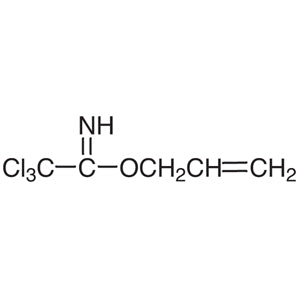
- TCI A2186 51479-73-3 Allyl 2,2,2-Trichloroacetimidate
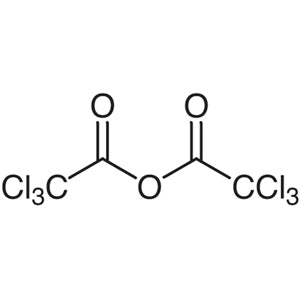
- TCI T0792 4124-31-6 Trichloroacetic Anhydride
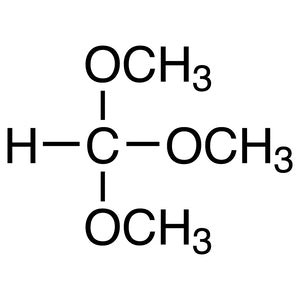
- TCI O0068 149-73-5 Trimethyl Orthoformate
- Organic synthesis for the formation of C-X bonds in complex molecule construction due to its electrophilic nature and reactivity.
- Drug development and pharmaceutical research as it supports the synthesis of aromatic and heterocyclic compounds.
- SN1 and SN2 reaction mechanisms where it acts as a good electrophilic substrate for nucleophilic attack.
- Material science applications in the creation of advanced polymers and functional materials through controlled chemical reactions.
- Academic research in universities and research institutes for teaching and experimental purposes in synthetic chemistry.
| Brand | TCI |
|---|---|
| CAS number | 89238-99-3 |
| Molecular formula | — |
| Purity | — |
| Category | Chemistry > Synthetic Reagents > C-X(Non-Halogen) Bond Formation [Synthetic Reagents] |
| Pack sizes | Available in standard chemical reagent packaging sizes |
| Physical form | Solid or liquid depending on formulation and supplier specifications |
| Storage | — |
This reagent should be stored in a cool, dry, and well-ventilated area away from direct sunlight and sources of heat. It is recommended to use airtight containers made of glass or high-density polyethylene to prevent contamination and maintain chemical integrity. Due to its reactivity, it should be handled with appropriate personal protective equipment such as gloves and safety goggles. Avoid exposure to moisture and incompatible substances to ensure safe storage. In laboratory settings, it is important to follow standard operating procedures for chemical handling to minimize risks and ensure compliance with safety regulations.
—
Produk Terkait
-
tert-Butyl2,2,2-Trichloroacetimidate TCI B1496
Regular price From Rp 1.724.100,00Regular price -
Benzyl2,2,2-Trichloroacetimidate TCI B1483
Regular price Rp 3.232.950,00Regular price -
Benzyl2,2,2-Trifluoro-N-phenylacetimidate TCI B3234
Regular price From Rp 2.969.400,00Regular price -
Allyl2,2,2-Trichloroacetimidate TCI A2186
Regular price Rp 2.650.200,00Regular price -
TrichloroaceticAnhydride TCI T0792
Regular price Rp 1.618.050,00Regular price -
TrimethylOrthoformate TCI O0068
Regular price From Rp 477.750,00Regular price -
TrifluoroaceticAnhydride TCI T0433
Regular price From Rp 769.650,00Regular price -
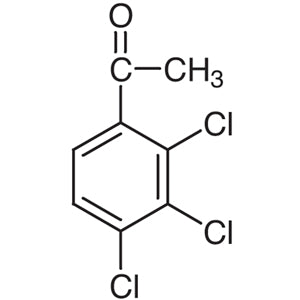
2',3',4'-Trichloroacetophenone TCI T2306
Regular price Rp 848.400,00Regular price