Benzyl 2,2,2-Trichloroacetimidate is a chemical compound widely used in organic synthesis to form C-X (non-halogen) bonds in laboratory settings. It plays a crucial role in facilitating substitution and nucleophilic reactions, which are essential for the synthesis of complex organic molecules. This reagent is particularly valuable for its ability to participate in acyl transfer and substitution reactions, making it a versatile tool for synthetic chemists. Its application spans various research areas, including the development of pharmaceutical compounds and the synthesis of intricate molecular structures.
The compound is known for its chemical stability under specific conditions, while remaining highly reactive in controlled chemical environments. It exhibits good solubility in organic solvents such as ethyl acetate and dimethyl sulfoxide, which simplifies mixing and reaction processes. These properties make it an ideal choice for researchers seeking reliable and efficient reagents for their experiments. Its reactivity and solubility characteristics contribute to its popularity in both academic and industrial laboratory settings.
In Indonesian laboratories, Benzyl 2,2,2-Trichloroacetimidate is commonly used in organic chemistry research, especially in the synthesis of complex compounds and drug development. It is frequently employed in academic institutions and research centers to support experimental work that requires precise chemical reactions. Its utility in creating diverse molecular structures makes it a preferred reagent for advancing chemical research in Indonesia.
TCI brochures (PDF)
- Alkylation Reagents for Ester Synthesis 2026-04-06 · p. 5
- Protecting Agents 2025-03-25 · p. 10
Related TCI products
- TCI B1496 98946-18-0 tert-Butyl 2,2,2-Trichloroacetimidate
- TCI M2016 89238-99-3 4-Methoxybenzyl 2,2,2-Trichloroacetimidate
- TCI B3234 952057-61-3 Benzyl 2,2,2-Trifluoro-N-phenylacetimidate
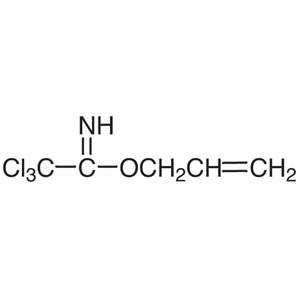
- TCI A2186 51479-73-3 Allyl 2,2,2-Trichloroacetimidate
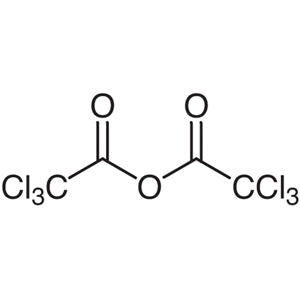
- TCI T0792 4124-31-6 Trichloroacetic Anhydride
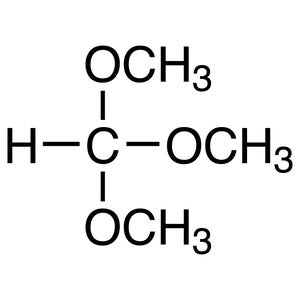
- TCI O0068 149-73-5 Trimethyl Orthoformate
- Organic synthesis for creating complex molecular structures due to its reactivity and versatility in substitution reactions.
- Pharmaceutical research for the development of new drug compounds through acyl transfer and nucleophilic reactions.
- Academic research in chemical laboratories where precise and reliable reagents are essential for experimental success.
- Industrial applications in chemical manufacturing processes requiring efficient bond formation and molecular modification.
- Analytical chemistry experiments where controlled chemical reactions are needed to produce specific compounds for further study.
| Brand | TCI |
|---|---|
| CAS number | 81927-55-1 |
| Molecular formula | — |
| Purity | — |
| Category | Chemistry > Synthetic Reagents > C-X(Non-Halogen) Bond Formation [Synthetic Reagents] |
| Pack sizes | — |
| Physical form | — |
| Storage | Store in a cool, dry place away from moisture and direct sunlight |
This compound should be stored in a cool, dry place, away from moisture and direct sunlight to maintain its chemical stability. It is recommended to use airtight containers made of glass or high-density polyethylene to prevent contamination and degradation. Due to its reactivity, it should be handled in a well-ventilated area, with appropriate personal protective equipment such as gloves and safety goggles. Avoid exposure to incompatible materials, and ensure proper disposal following local regulations. Regular monitoring of storage conditions is advised to ensure the integrity of the reagent for laboratory use.
—
Produk Terkait
-
tert-Butyl2,2,2-Trichloroacetimidate TCI B1496
Regular price From Rp 1.776.600,00Regular priceRp 1.257.900,00Sale price From Rp 1.776.600,00 -
4-Methoxybenzyl2,2,2-Trichloroacetimidate TCI M2016
Regular price From Rp 2.835.000,00Regular priceRp 1.998.150,00Sale price From Rp 2.835.000,00 -
Benzyl2,2,2-Trifluoro-N-phenylacetimidate TCI B3234
Regular price From Rp 3.021.900,00Regular priceRp 2.128.350,00Sale price From Rp 3.021.900,00 -
Allyl2,2,2-Trichloroacetimidate TCI A2186
Regular price Rp 2.702.700,00Regular priceRp 1.905.750,00Sale price Rp 2.702.700,00 -
TrichloroaceticAnhydride TCI T0792
Regular price Rp 1.670.550,00Regular priceRp 1.183.350,00Sale price Rp 1.670.550,00 -
TrimethylOrthoformate TCI O0068
Regular price From Rp 530.250,00Regular priceRp 386.400,00Sale price From Rp 530.250,00 -
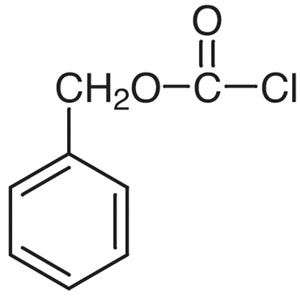
BenzylChloroformate TCI B3021
Regular price From Rp 689.850,00Regular priceRp 497.700,00Sale price From Rp 689.850,00 -
BenzylIsopropenylEther[Hydroxyl-ProtectingAgent] TCI B1257
Regular price From Rp 3.976.350,00Regular priceRp 2.780.400,00Sale price From Rp 3.976.350,00