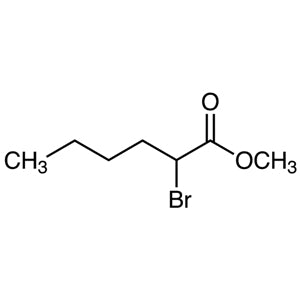
Methyl 2-Bromohexanoate with CAS number 5445-19-2 is the methyl ester of hexanoic acid carrying a bromine atom at the position alpha to the carbonyl group. This alpha-bromo ester structure makes it a highly productive non-heterocyclic building block, because the bromine atom at the alpha position is both a good leaving group and simultaneously activated by the neighbouring ester function. In the laboratory, this compound is used to introduce a six-carbon ester chain into target molecules through a variety of substitution reactions, giving synthetic chemists a direct route to extended aliphatic ester frameworks.
The property that makes this reagent a preferred choice is its high reactivity toward nucleophiles. The alpha carbon bearing the bromine is very readily attacked by amines, thiols, alkoxides, azides, and carbanions, producing alpha-substituted derivatives in generally good yields. In addition, the compound is a classic substrate for the Reformatsky reaction, which forms carbon-carbon bonds with aldehydes and ketones by way of an organozinc intermediate. The butyl chain at the end of the molecule contributes lipophilic character that is useful when a researcher wishes to tune the solubility of the final product, while the ester group remains available for hydrolysis at a later stage.
In Indonesian laboratories, this reagent is typically found in organic chemistry research groups and synthetic method development work, where it serves as an intermediate for constructing more elaborate target molecules. It is handled at the bench scale in fume hoods as part of multi-step synthetic sequences, and is normally ordered together with other building blocks for a planned route. University research laboratories and industrial R&D groups working on organic synthesis are the usual users of this material.
- Nucleophilic substitution reactions, where the activated alpha carbon is attacked by amines, thiols, alkoxides, or azides to install a wide range of functional groups.
- Reformatsky reactions, in which the alpha-bromo ester is converted to an organozinc reagent and used to form carbon-carbon bonds with aldehydes and ketones.
- Introduction of six-carbon ester chains into target molecules, allowing chemists to extend an existing framework with a defined aliphatic ester unit in one step.
- Alkylation with carbanion nucleophiles, exploiting the good leaving-group character of the alpha bromine to build more complex carbon skeletons from simpler precursors.
- Preparation of alpha-substituted ester derivatives whose lipophilicity can be tuned through the butyl chain, then further modified by hydrolysis of the ester at a later stage.
| Brand | TCI |
|---|---|
| CAS number | 5445-19-2 |
| Molecular formula | — |
| Purity | — |
| Category | Chemistry > Building Blocks > Non-Heterocyclic Building Blocks |
| Pack sizes | available in standard TCI research pack sizes; please confirm the size required when ordering. |
| Physical form | — |
| Storage | keep in a tightly closed container in a cool, dry, well-ventilated place away from incompatible materials. |
- Product code: M2378
Store this reagent in its original tightly closed container in a cool, dry, and well-ventilated area, protected from direct sunlight, heat, and moisture. Amber glass bottles with chemically resistant closures are suitable for storage and for any transfer of material. As an alkylating bromo ester, it should be handled only in a functioning fume hood, using nitrile gloves, safety goggles, and a laboratory coat, since contact with skin, eyes, and vapour should be avoided. Keep it away from strong bases, strong oxidising agents, and nucleophilic reagents to prevent unwanted reaction. Transfer with clean, dry equipment and close the container promptly after use. Dispose of residues and contaminated materials as chemical waste following the laboratory's own procedures, and consult the manufacturer's safety data sheet before first use.
—
Produk Terkait
-
Ethyl6-Bromohexanoate TCI B1465
Regular price From Rp 2.359.350,00Regular price -
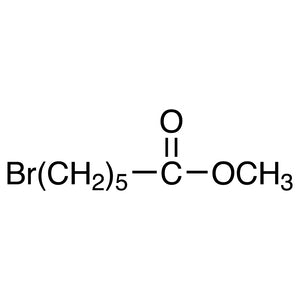
Methyl6-Bromohexanoate TCI M3508
Regular price Rp 1.829.100,00Regular price -
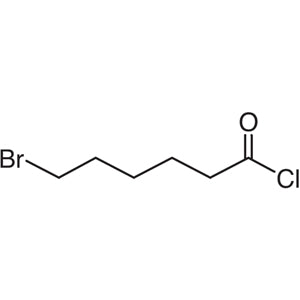
6-BromohexanoylChloride TCI B2049
Regular price Rp 3.472.350,00Regular price -
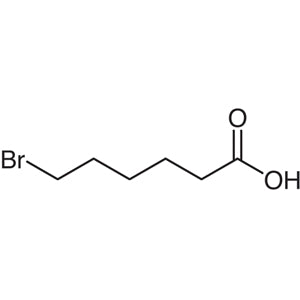
6-BromohexanoicAcid TCI B1290
Regular price From Rp 2.068.500,00Regular price -
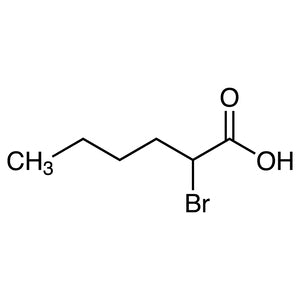
2-BromohexanoicAcid TCI B0601
Regular price From Rp 610.050,00Regular price -
Ethyl5-Oxohexanoate TCI O0638
Regular price From Rp 1.565.550,00Regular price -
Methyl6-Oxohexanoate TCI M3890
Regular price Rp 3.260.250,00Regular price -
Ethyl3-Oxohexanoate TCI K0030
Regular price From Rp 717.150,00Regular price