6-Bromohexanoyl Chloride is a chemical compound widely used as a building block in the synthesis of complex organic compounds. It serves as a versatile reagent in laboratory settings, enabling chemists to create a variety of functionalized molecules through substitution and other organic reactions. Its unique structure allows it to participate in multiple reaction mechanisms, making it an essential tool for researchers and industrial chemists alike. This compound is particularly valued for its ability to facilitate halogenation processes, which are fundamental in the development of new chemical entities.
The chemical properties of 6-Bromohexanoyl Chloride make it a preferred choice in synthetic chemistry. It is highly reactive towards water and polar solvents, which allows it to engage in various reaction pathways such as SN1, SN2, and electrophilic reactions. Its reactivity is complemented by its stability under controlled conditions, ensuring predictable outcomes in laboratory experiments. These characteristics make it a reliable and effective reagent for a wide range of chemical transformations, especially in the field of organic synthesis.
In Indonesian laboratories, 6-Bromohexanoyl Chloride is commonly used by chemists, students, and pharmaceutical researchers. Its availability in the local market supports both academic and industrial applications, enabling efficient research and development. The compound is integral to the synthesis of halogenated compounds, contributing to advancements in chemical innovation and scientific discovery.
- Halogenation Synthesis: This compound is ideal for creating halogenated organic molecules due to its reactive bromine atom, enabling efficient substitution reactions in synthetic pathways.
- Organic Reaction Development: Its ability to participate in SN1, SN2, and electrophilic reactions makes it suitable for exploring new reaction mechanisms and optimizing synthetic routes.
- Pharmaceutical Compound Design: Chemists use it to build complex molecular structures, supporting the development of new drugs and therapeutic agents.
- Academic Research Projects: It is frequently employed in university laboratories for teaching and research, providing hands-on experience with synthetic chemistry techniques.
- Industrial Process Optimization: Its role in halogenation processes helps industries refine chemical manufacturing methods and improve product quality.
| Brand | TCI |
|---|---|
| CAS number | 22809-37-6 |
| Molecular formula | — |
| Purity | — |
| Category | Chemistry > Building Blocks > Non-Heterocyclic Building Blocks |
| Pack sizes | Available in various quantities as per supplier specifications |
| Physical form | Liquid |
| Storage | Store in a cool, dry place away from moisture and incompatible materials |
6-Bromohexanoyl Chloride should be stored in a cool, dry environment to maintain its chemical stability. It is recommended to keep the compound in a sealed container to prevent exposure to moisture and air, which can lead to degradation. Due to its reactivity with water and polar solvents, it should be handled in a well-ventilated area, ideally under a fume hood. Suitable containers for storage include glass or high-density polyethylene vessels that are resistant to chemical corrosion. General laboratory precautions include wearing appropriate personal protective equipment, such as gloves and safety goggles, and avoiding direct contact with skin or inhalation of vapors. Proper labeling and safe handling practices are essential to ensure the safe use of this compound in laboratory settings.
—
Produk Terkait
-
Ethyl6-Bromohexanoate TCI B1465
Regular price From Rp 2.411.850,00Regular priceRp 1.702.050,00Sale price From Rp 2.411.850,00 -
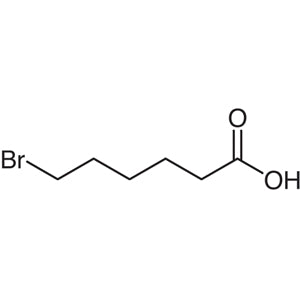
6-BromohexanoicAcid TCI B1290
Regular price From Rp 2.121.000,00Regular priceRp 1.498.350,00Sale price From Rp 2.121.000,00 -
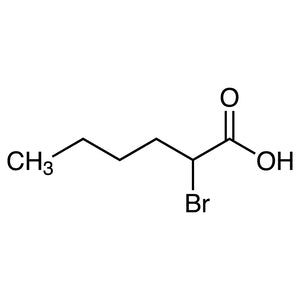
2-BromohexanoicAcid TCI B0601
Regular price From Rp 662.550,00Regular priceRp 478.800,00Sale price From Rp 662.550,00 -
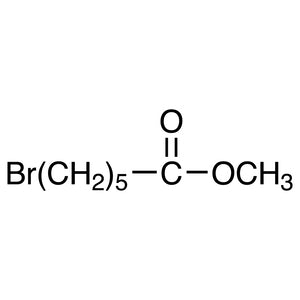
Methyl6-Bromohexanoate TCI M3508
Regular price Rp 1.881.600,00Regular priceRp 1.331.400,00Sale price Rp 1.881.600,00 -
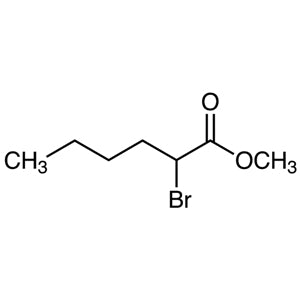
Methyl2-Bromohexanoate TCI M2378
Regular price Rp 662.550,00Regular priceRp 478.800,00Sale price Rp 662.550,00 -
Anthraquinone-2-carbonylChloride TCI A0503
Regular price From Rp 3.232.950,00Regular priceRp 2.276.400,00Sale price From Rp 3.232.950,00 -
AdipoylChloride TCI A0169
Regular price From Rp 1.272.600,00Regular priceRp 905.100,00Sale price From Rp 1.272.600,00 -
AcetylChloride TCI A0082
Regular price From Rp 848.400,00Regular priceRp 609.000,00Sale price From Rp 848.400,00