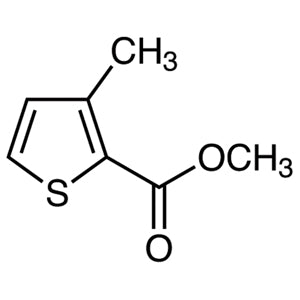
Methyl 3-Methylthiophene-2-carboxylate is a chemical compound widely used in organic reactions for the synthesis of complex heterocyclic compounds. This material plays a crucial role in laboratory settings where the creation of bioactive molecules is required. Its molecular structure consists of a thiophene ring with methyl and carboxylate substituents, making it a versatile building block for chemical synthesis. In research environments, it is valued for its ability to participate in various functional group reactions, contributing to the development of new compounds with specific properties.
The compound is preferred due to its chemical stability under certain conditions and its high reactivity in substitution and condensation reactions. Its complex molecular structure allows it to act as both an electron donor and acceptor, enhancing its utility in diverse synthetic pathways. These characteristics make it a reliable choice for chemists and pharmaceutical researchers aiming to develop novel compounds with targeted biological activities. The compound’s reactivity and structural versatility are key factors in its popularity among laboratory professionals.
In Indonesian laboratories, Methyl 3-Methylthiophene-2-carboxylate is commonly used by chemists and pharmacologists for experimental work involving heterocyclic synthesis. It is an essential component in research projects focused on drug development and organic chemistry. Its role in creating bioactive compounds makes it a valuable resource for academic and industrial research in the region.
Related TCI products
- TCI M1772 85006-31-1 Methyl 3-Amino-4-methylthiophene-2-carboxylate
- TCI E1104 4815-32-1 Ethyl 2-Amino-5-methylthiophene-3-carboxylate
- TCI E1103 43088-42-2 Ethyl 2-Amino-4-methylthiophene-3-carboxylate
- TCI T1327 1795-05-7 2,3,5-Trimethylthiophene
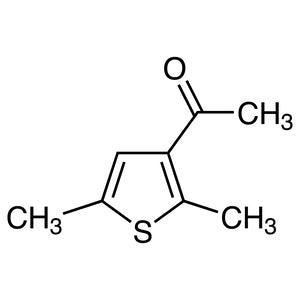
- TCI A3587 2530-10-1 1-(2,5-Dimethylthiophen-3-yl)ethan-1-one
- TCI A1181 13679-74-8 2-Acetyl-5-methylthiophene
- Organic synthesis of heterocyclic compounds due to its reactive thiophene ring and carboxylate group.
- Development of bioactive molecules for pharmaceutical research as a versatile building block.
- Functional group modification in complex molecule synthesis due to its reactivity in substitution reactions.
- Creation of new chemical entities with specific biological properties through condensation reactions.
- Support for academic research in chemistry and pharmacology requiring reliable and stable starting materials.
| Brand | TCI |
|---|---|
| CAS number | 81452-54-2 |
| Molecular formula | — |
| Purity | — |
| Category | Chemistry > Building Blocks > Heterocyclic Building Blocks |
| Pack sizes | Available in various quantities as per supplier specifications |
| Physical form | Solid or liquid, depending on formulation |
| Storage | Store in a cool, dry place away from light and moisture |
Methyl 3-Methylthiophene-2-carboxylate should be stored in a cool, dry environment to maintain its chemical stability. It is recommended to keep the compound in airtight containers to prevent exposure to moisture and air, which may affect its reactivity. Proper labeling of storage containers is essential for safety and traceability. Laboratory personnel should handle the compound with care, using appropriate personal protective equipment such as gloves and goggles. The compound should be stored away from incompatible substances to avoid any potential chemical interactions. Regular inspection of storage conditions ensures the material remains suitable for use in research applications.
—
Produk Terkait
-
Methyl3-Amino-4-methylthiophene-2-carboxylate TCI M1772
Regular price From Rp 452.550,00Regular price -
Ethyl2-Amino-5-methylthiophene-3-carboxylate TCI E1104
Regular price Rp 2.411.850,00Regular price -
Ethyl2-Amino-4-methylthiophene-3-carboxylate TCI E1103
Regular price From Rp 505.050,00Regular price -
2,3,5-Trimethylthiophene TCI T1327
Regular price From Rp 3.551.100,00Regular price -
1-(2,5-Dimethylthiophen-3-yl)ethan-1-one TCI A3587
Regular price From Rp 2.359.350,00Regular price -
2-Acetyl-5-methylthiophene TCI A1181
Regular price Rp 1.644.300,00Regular price -
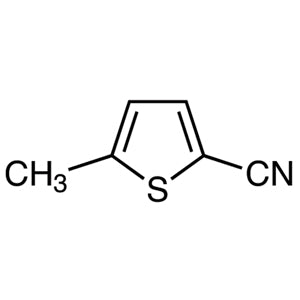
5-Methylthiophene-2-carbonitrile TCI M2959
Regular price Rp 1.749.300,00Regular price -
2-Methylthiophenothiazine TCI M1387
Regular price Rp 4.161.150,00Regular price