TCI N0805 6-Nitro-1,3-benzothiazole (CAS 2942-06-5) is an aromatic heterocyclic compound. It consists of a benzene ring fused to a thiazole ring, with a nitro group at the 6-position. Benzothiazole is one of the most common scaffolds in medicinal chemistry, dyes and functional materials, so this nitrated derivative is a useful building block in synthesis laboratories. The nitro group serves as a point for modification. Most often it is converted to 6-aminobenzothiazole, which can then go on to a range of carbon–nitrogen bond-forming reactions.
Researchers choose this material because the benzothiazole ring is already fully built. They can work directly on the substituents without having to construct the heterocyclic system from scratch, which saves synthetic steps. The nitro group withdraws electrons and changes the electron density of the ring, which is useful in studies of reactivity and optical properties. After reduction, the resulting amine can be acylated, sulfonylated, or converted to a diazonium salt for azo coupling. Because of this flexibility, one starting material can lead to many different derivatives, which makes it an efficient addition to a laboratory's reagent collection.
In Indonesia, this compound suits medicinal chemistry and organic synthesis laboratories at universities, research institutes and industrial research and development units. Research groups building libraries of benzothiazole derivatives for biological screening can use it as a common starting point. Laboratories that develop dyes or functional materials can use its electron-withdrawing nitro group and its route to azo compounds. It also works well in teaching and research labs that demonstrate nitro reduction and later functionalization of aromatic amines, because each step shows a clear, practical transformation.
Related TCI products
- Synthesis of 6-aminobenzothiazole: the nitro group at the 6-position can be reduced to the corresponding amine, which is a versatile intermediate for later carbon–nitrogen bond-forming reactions.
- Medicinal chemistry scaffold development: benzothiazole is a common framework in drug discovery, so this pre-formed ring system lets researchers build and screen new derivatives efficiently.
- Azo dye preparation: after reduction, the amine can be converted to a diazonium salt for azo coupling, which makes the compound a suitable starting point for making coloured compounds.
- Amide and sulfonamide derivatization: the amine obtained after reduction can be acylated or sulfonylated, giving a range of functionalized benzothiazole products from a single starting material.
- Reactivity and optical property studies: the electron-withdrawing nitro group changes the electron density of the ring, which makes the compound useful for studying substituent effects on reactivity and optical behaviour.
| Brand | TCI (product code N0805) |
|---|---|
| CAS number | 2942-06-5 |
| Molecular formula | — |
| Purity | — |
| Category | Chemistry > Building Blocks > Heterocyclic Building Blocks |
| Pack sizes | available pack sizes can be confirmed with the AMI Scientific team when you order |
| Physical form | see the manufacturer's certificate of analysis and product documentation |
| Storage | follow the storage conditions on the TCI label and safety data sheet |
Store 6-Nitro-1,3-benzothiazole in its original, tightly closed container in a cool, dry, well-ventilated area, away from direct light, heat sources and incompatible substances such as strong reducing agents and strong oxidizers. Always follow the specific storage conditions on the TCI label and safety data sheet. Handle the material in a fume hood or well-ventilated workspace. Wear suitable personal protective equipment, including a lab coat, chemical-resistant gloves and safety glasses. Avoid breathing in dust and avoid contact with skin and eyes. Reseal containers promptly after use, label any transferred portions clearly, and dispose of waste according to institutional and local regulations for chemical waste.
—
Produk Terkait
-
1,3-Benzothiazole-2-carbaldehyde TCI B5403
Regular price From Rp 1.458.450,00Regular price -
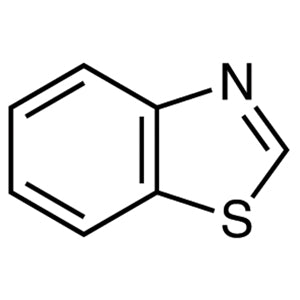
Benzothiazole TCI B0092
Regular price From Rp 689.850,00Regular price -
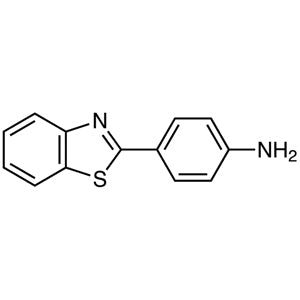
2-(4-Aminophenyl)benzothiazole TCI A2672
Regular price Rp 1.298.850,00Regular price -
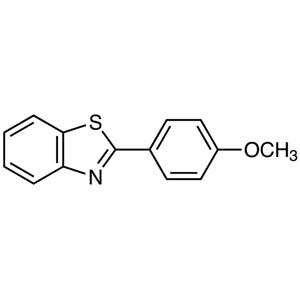
2-(4-Methoxyphenyl)benzothiazole TCI M1654
Regular price Rp 717.150,00Regular price -
2-(Morpholinothio)benzothiazole TCI M0532
Regular price From Rp 505.050,00Regular price -
2-(Methylthio)benzothiazole TCI M0439
Regular price From Rp 1.193.850,00Regular price -
2-(2-Hydroxyphenyl)benzothiazole TCI H0973
Regular price From Rp 903.000,00Regular price -
EthylBenzothiazole-2-carboxylate TCI E1089
Regular price From Rp 875.700,00Regular price