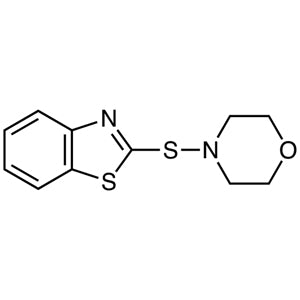
2-(Morpholinothio)benzothiazole is a versatile chemical compound used in laboratory settings for the synthesis of complex heterocyclic compounds. This building block plays a crucial role in organic chemistry by enabling the creation of molecules with specific biological activities. Its unique molecular structure, combining a benzothiazole ring with a morpholinothio group, provides a foundation for various chemical modifications. This compound is widely utilized in research for its ability to interact with different functional groups, making it a valuable tool in synthetic chemistry.
The compound's high reactivity and complex structure make it a preferred choice for researchers aiming to develop new compounds with pharmaceutical or industrial applications. Its ability to form stable intermediates and participate in diverse reaction pathways enhances its utility in synthetic processes. The presence of both sulfur and nitrogen atoms in its structure contributes to its chemical versatility, allowing it to be incorporated into a wide range of molecular frameworks. These properties make it an essential component in the development of advanced chemical materials.
In Indonesian laboratories, 2-(Morpholinothio)benzothiazole is commonly used by chemists and pharmacologists in applied research. It is particularly relevant in the development of new compounds with potential medical or industrial applications. Its chemical stability and reactivity make it a key ingredient in the synthesis of various pharmaceuticals and specialty chemicals. Researchers rely on this compound for its reliability and adaptability in complex chemical reactions.
- Synthetic chemistry applications benefit from this compound's ability to participate in diverse reaction pathways, enabling the creation of complex heterocyclic structures.
- Pharmaceutical research utilizes this building block to develop compounds with targeted biological activities, supporting drug discovery efforts.
- Industrial chemical synthesis relies on its reactivity and structural versatility to produce specialty chemicals with specific functional properties.
- Organic chemistry experiments use it as a key intermediate in the synthesis of nitrogen- and sulfur-containing compounds.
- Medicinal chemistry studies leverage its unique molecular framework to design molecules with potential therapeutic applications.
| Brand | TCI |
|---|---|
| CAS number | 102-77-2 |
| Molecular formula | — |
| Purity | — |
| Category | Chemistry > Building Blocks > Heterocyclic Building Blocks |
| Pack sizes | — |
| Physical form | — |
| Storage | Store in a cool, dry place away from light and moisture |
This compound should be stored in a cool, dry place, away from light and moisture to maintain its chemical stability. It is recommended to use airtight containers made of glass or high-density polyethylene to prevent contamination and degradation. Due to its reactivity, it should be handled with care in a well-ventilated laboratory environment. Avoid exposure to strong oxidizing agents or incompatible substances. Proper personal protective equipment, such as gloves and safety goggles, should be worn during handling to ensure safety. The compound is not classified as hazardous under standard laboratory conditions but should still be treated with the usual precautions for chemical handling.
—
Produk Terkait
-
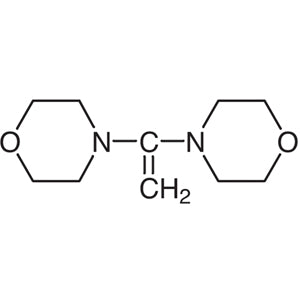
1,1-Bis(morpholino)ethylene TCI B1180
Regular price Rp 4.399.500,00Regular price -
Ethyl3-(Morpholino)propionate TCI E0784
Regular price From Rp 980.700,00Regular price -
Morpholino(phenyl)methanone TCI B6410
Regular price From Rp 1.644.300,00Regular price -
1,3-Benzothiazole-2-carbaldehyde TCI B5403
Regular price From Rp 1.458.450,00Regular price -
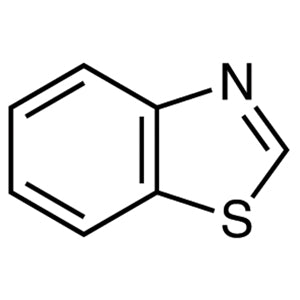
Benzothiazole TCI B0092
Regular price From Rp 689.850,00Regular price -
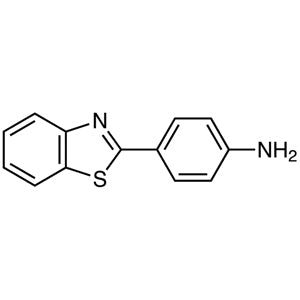
2-(4-Aminophenyl)benzothiazole TCI A2672
Regular price Rp 1.298.850,00Regular price -
6-Nitro-1,3-benzothiazole TCI N0805
Regular price From Rp 1.829.100,00Regular price -
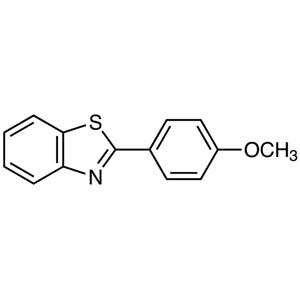
2-(4-Methoxyphenyl)benzothiazole TCI M1654
Regular price Rp 717.150,00Regular price