2-Phenylindole is a chemical compound widely used in organic reactions for the synthesis of heterocyclic compounds. It features an indole structure with a phenyl group attached at the second position, making it a key building block in the creation of complex molecules with biological activity. In the laboratory, it serves as a fundamental reagent in the development of compounds with pharmacological properties, such as pharmaceuticals and active ingredients in health products. Its chemical structure allows it to participate in various synthetic pathways, contributing to the advancement of medicinal and industrial chemistry.
This compound is valued for its chemical stability under specific conditions and its reactivity with a range of reagents, including acids, bases, and organic solvents. These properties make it a versatile choice for substitution and cyclic reactions, enabling chemists to design and synthesize a wide array of functional molecules. Its compatibility with different reaction conditions and its ability to integrate into diverse synthetic strategies further enhance its utility in laboratory settings.
In Indonesian laboratories, 2-Phenylindole is commonly used in scientific research, particularly in the fields of organic chemistry, pharmacology, and biochemistry. It plays a crucial role in studies aimed at developing new compounds with therapeutic potential or industrial applications. Its availability in various packaging options supports its use across different experimental scales, making it a reliable resource for researchers.
TCI brochures (PDF)
- Ligands 2025-12-01 · p. 17
Related TCI products
- TCI P2273 25365-71-3 2-Phenylindole-3-carboxaldehyde
- TCI M0733 3558-24-5 1-Methyl-2-phenylindole
- TCI E0331 13228-39-2 1-Ethyl-2-phenylindole
- TCI D4860 1024598-06-8 11,12-Dihydro-11-phenylindolo[2,3-a]carbazole
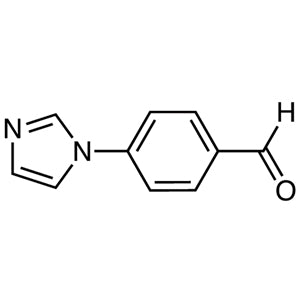
- TCI I0818 10040-98-9 4-(1-Imidazolyl)benzaldehyde
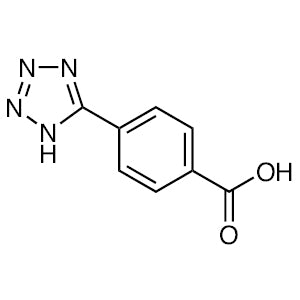
- TCI T3917 34114-12-0 4-(1H-Tetrazol-5-yl)benzoic Acid
- Heterocyclic Compound Synthesis: 2-Phenylindole is ideal for creating complex organic molecules due to its indole structure and phenyl group, which provide a stable yet reactive platform for further chemical modifications.
- Pharmaceutical Research: Its ability to form biologically active compounds makes it a valuable tool in drug discovery and development, particularly in the design of new therapeutic agents.
- Organic Chemistry Experiments: The compound is frequently used in synthetic pathways where controlled reactivity and structural versatility are required, supporting a wide range of chemical transformations.
- Biochemical Studies: It is employed in research involving enzyme interactions and molecular recognition, where its structural features can mimic or influence biological processes.
- Industrial Chemical Development: Its reactivity and stability make it suitable for the synthesis of specialty chemicals used in various industries, including agriculture and materials science.
| Brand | TCI |
|---|---|
| CAS number | 948-65-2 |
| Molecular formula | — |
| Purity | — |
| Category | Chemistry > Building Blocks > Heterocyclic Building Blocks |
| Pack sizes | Available in various packaging options to suit different experimental scales |
| Physical form | Solid (as per standard chemical specifications) |
| Storage | Store in a cool, dry place away from light and incompatible substances |
2-Phenylindole should be stored in a cool, dry environment, away from direct sunlight and sources of heat. It is recommended to keep the compound in a tightly sealed container to prevent exposure to moisture and air. Due to its reactivity with acids and bases, it should be handled in a well-ventilated area, ideally with appropriate personal protective equipment. Avoid contact with incompatible materials such as strong oxidizing agents or reactive solvents. Proper labeling and storage conditions are essential to ensure safety and maintain the compound's integrity during handling and use in laboratory settings.
—
Produk Terkait
-
2-Phenylindole-3-carboxaldehyde TCI P2273
Regular price From Rp 637.350,00Regular price -
1-Methyl-2-phenylindole TCI M0733
Regular price From Rp 477.750,00Regular price -
1-Ethyl-2-phenylindole TCI E0331
Regular price From Rp 505.050,00Regular price -
11,12-Dihydro-11-phenylindolo[2,3-a]carbazole TCI D4860
Regular price From Rp 557.550,00Regular price -
4-(1-Imidazolyl)benzaldehyde TCI I0818
Regular price From Rp 795.900,00Regular price -
4-(1H-Tetrazol-5-yl)benzoicAcid TCI T3917
Regular price From Rp 2.016.000,00Regular price -
5-(p-Tolyl)-1H-tetrazole TCI T2486
Regular price From Rp 1.538.250,00Regular price -
5-(4-Bromophenyl)-1H-tetrazole TCI B5308
Regular price From Rp 2.411.850,00Regular price


![11,12-Dihydro-11-phenylindolo[2,3-a]carbazole (CAS 1024598-06-8) - TCI D4860 - AMI Scientific](http://amiscientific.com/cdn/shop/files/TCI2510D4860.jpg?v=1767108091&width=533)