![11,12-Dihydro-11-phenylindolo[2,3-a]carbazole (CAS 1024598-06-8) - TCI D4860 - AMI Scientific](http://amiscientific.com/cdn/shop/files/TCI2510D4860.jpg?v=1767108091&width=1946)
![11,12-Dihydro-11-phenylindolo[2,3-a]carbazole (CAS 1024598-06-8) - TCI D4860 - AMI Scientific](http://amiscientific.com/cdn/shop/files/TCI2510D4860.jpg?v=1767108091&width=1445)
11,12-Dihydro-11-phenylindolo[2,3-a]carbazole is a complex chemical compound widely used in scientific research, particularly in the fields of organic chemistry and pharmacology. This heterocyclic compound plays a crucial role in the development of new molecules with pharmacological activity, such as pharmaceuticals and antioxidants. Its unique chemical structure allows it to participate in various synthetic pathways, making it an essential tool for chemists and researchers aiming to create bioactive compounds. Due to its structural complexity and functional versatility, it is a key component in the synthesis of compounds with potential therapeutic applications.
The compound's chemical and physical properties make it a preferred choice in laboratory settings. Its stability under certain conditions ensures reliable performance during experiments, while its reactivity with a wide range of reagents enhances its utility in diverse chemical reactions. The compound's ability to interact with various functional groups makes it adaptable for multiple synthetic strategies, supporting both academic and industrial research. Its consistent performance and predictable behavior contribute to the accuracy and reproducibility of experimental results.
In Indonesian laboratories, 11,12-Dihydro-11-phenylindolo[2,3-a]carbazole is commonly used in applied research, including drug development, biological activity studies, and organic chemistry investigations. Its availability in various packaging options ensures convenience for researchers with different experimental needs. The compound's versatility and reliability make it a valuable resource for advancing scientific knowledge and innovation in the region.
TCI brochures (PDF)
- Carbazoles 2025-06-27 · p. 5
- Building Blocks for Organic Semiconductor 2026-03-24 · p. 20
Related TCI products
- TCI T3882 6558-85-6 1,3,6,8-Tetramethyl-9H-carbazole
- TCI T3642 1630723-98-6 N,N,N',N'-Tetrakis(4-methoxyphenyl)-9H-carbazole-3,6-diamine
- TCI B5183 84359-61-5 9-(3-Bromopropyl)carbazole
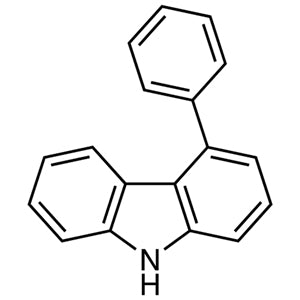
- TCI P2601 1201561-34-3 4-Phenyl-9H-carbazole
- TCI P2351 87220-68-6 9-Phenyl-9H-carbazole-3-carboxaldehyde
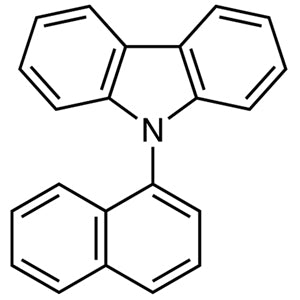
- TCI N1012 22034-43-1 9-(1-Naphthyl)carbazole
- Drug development research benefits from this compound as it serves as a building block for synthesizing pharmaceutical compounds with potential therapeutic applications.
- Biological activity studies utilize this compound to investigate its interactions with biological systems and its potential pharmacological effects.
- Organic chemistry research relies on this compound for its structural complexity and reactivity, enabling the creation of new chemical entities.
- Antioxidant compound synthesis leverages this compound's chemical properties to develop molecules with free radical scavenging capabilities.
- Analytical chemistry applications use this compound as a reference standard for identifying and quantifying similar heterocyclic compounds in complex mixtures.
| Brand | TCI |
|---|---|
| CAS number | 1024598-06-8 |
| Molecular formula | — |
| Purity | — |
| Category | Chemistry > Building Blocks > Heterocyclic Building Blocks |
| Pack sizes | Available in various packaging options to suit different research needs |
| Physical form | Solid (as per standard chemical product descriptions) |
| Storage | Store in a cool, dry place away from direct light and moisture |
This compound should be stored in a cool, dry environment, away from direct sunlight and sources of moisture to maintain its stability and integrity. It is recommended to use airtight containers to prevent exposure to air and humidity, which may affect its chemical properties. Proper labeling of storage containers is essential for safe handling and to avoid cross-contamination. In laboratory settings, it is important to follow standard safety protocols, including the use of personal protective equipment when handling. The compound should be kept in a secure location, away from incompatible substances to ensure safe storage and handling. Regular monitoring of storage conditions helps maintain the compound's quality and usability for research purposes.
—
Produk Terkait
-
1,3,6,8-Tetramethyl-9H-carbazole TCI T3882
Regular price From Rp 4.056.150,00Regular price -
N,N,N',N'-Tetrakis(4-methoxyphenyl)-9H-carbazole-3,6-diamine TCI T3642
Regular price From Rp 9.726.150,00Regular price -
9-(3-Bromopropyl)carbazole TCI B5183
Regular price From Rp 1.988.700,00Regular price -
4-Phenyl-9H-carbazole TCI P2601
Regular price Rp 7.446.600,00Regular price -
9-Phenyl-9H-carbazole-3-carboxaldehyde TCI P2351
Regular price From Rp 3.367.350,00Regular price -
9-(1-Naphthyl)carbazole TCI N1012
Regular price From Rp 848.400,00Regular price -
1-Methyl-9H-carbazole TCI M3317
Regular price Rp 4.001.550,00Regular price -
3-Methyl-9H-carbazole TCI M2561
Regular price Rp 5.247.900,00Regular price