


1-Methyl-9H-carbazole is a chemical compound belonging to the heterocyclic category, with a carbazole core featuring a methyl group at a specific position. This compound plays a crucial role in laboratory settings as a building block for the synthesis of complex molecules, particularly in organic chemistry and pharmaceutical research. Its structural versatility allows chemists to design and develop compounds with specific biological activities, making it an essential tool in drug discovery and chemical innovation.
The chemical properties of 1-Methyl-9H-carbazole, including its stability and controlled reactivity, make it a preferred choice for various synthetic applications. It can undergo substitution, addition, and ring-opening reactions, which are fundamental in the creation of more complex organic structures. Additionally, its solubility in organic solvents such as ethyl acetate and chloroform enhances its usability in purification and separation processes. These characteristics ensure its reliability in both academic and industrial research environments.
In Indonesian laboratories, 1-Methyl-9H-carbazole is widely used in organic chemistry research, especially in the development of new compounds with potential pharmaceutical applications. Its availability through reliable suppliers like AMI Scientific ensures that researchers have access to this essential building block for their experiments and innovations.
TCI brochures (PDF)
- Building Blocks for Organic Semiconductor 2026-03-24 · p. 21
Related TCI products
- TCI T3882 6558-85-6 1,3,6,8-Tetramethyl-9H-carbazole
- TCI T3642 1630723-98-6 N,N,N',N'-Tetrakis(4-methoxyphenyl)-9H-carbazole-3,6-diamine
- TCI B5183 84359-61-5 9-(3-Bromopropyl)carbazole
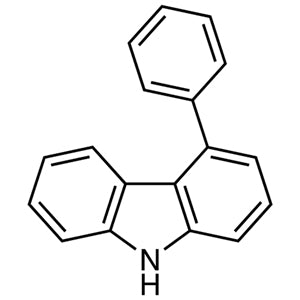
- TCI P2601 1201561-34-3 4-Phenyl-9H-carbazole
- TCI P2351 87220-68-6 9-Phenyl-9H-carbazole-3-carboxaldehyde
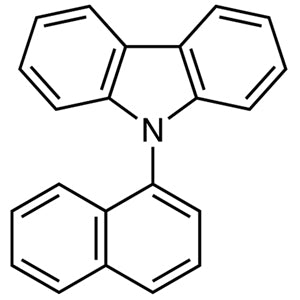
- TCI N1012 22034-43-1 9-(1-Naphthyl)carbazole
- Organic synthesis applications benefit from 1-Methyl-9H-carbazole due to its structural versatility and reactivity, enabling the creation of complex molecules with specific biological activities.
- Pharmaceutical research utilizes this compound as a key intermediate in the development of new drugs, particularly in the design of compounds targeting specific biological pathways.
- Heterocyclic compound synthesis relies on 1-Methyl-9H-carbazole as a foundational building block for creating diverse chemical structures with unique properties.
- Analytical chemistry experiments use this compound for standardization and as a reference material in chromatographic and spectroscopic analyses.
- Chemical education in Indonesian institutions incorporates 1-Methyl-9H-carbazole as a teaching tool to demonstrate the principles of heterocyclic chemistry and synthetic pathways.
| Brand | TCI |
|---|---|
| CAS number | 6510-65-2 |
| Molecular formula | — |
| Purity | — |
| Category | Chemistry > Building Blocks > Heterocyclic Building Blocks |
| Pack sizes | Available in various quantities as per supplier specifications |
| Physical form | Solid, typically in crystalline or powder form |
| Storage | Store in a cool, dry place away from direct sunlight and moisture |
1-Methyl-9H-carbazole should be stored in a cool, dry environment to maintain its chemical stability. It is recommended to keep it in a sealed container to prevent exposure to moisture and air, which could affect its integrity. Suitable storage containers include glass or high-density polyethylene (HDPE) bottles with tight-fitting lids. In laboratory settings, it should be handled with appropriate personal protective equipment, such as gloves and safety goggles, to ensure safety. Avoid contact with strong acids or bases, as these may cause unwanted reactions. Proper labeling of containers is essential for safe handling and to prevent accidental misuse. Regular inspection of storage conditions is advised to ensure long-term stability and usability of the compound.
—
Produk Terkait
-
1,3,6,8-Tetramethyl-9H-carbazole TCI T3882
Regular price From Rp 4.056.150,00Regular price -
N,N,N',N'-Tetrakis(4-methoxyphenyl)-9H-carbazole-3,6-diamine TCI T3642
Regular price From Rp 9.726.150,00Regular price -
9-(3-Bromopropyl)carbazole TCI B5183
Regular price From Rp 1.988.700,00Regular price -
4-Phenyl-9H-carbazole TCI P2601
Regular price Rp 7.446.600,00Regular price -
9-Phenyl-9H-carbazole-3-carboxaldehyde TCI P2351
Regular price From Rp 3.367.350,00Regular price -
9-(1-Naphthyl)carbazole TCI N1012
Regular price From Rp 848.400,00Regular price -
3-Methyl-9H-carbazole TCI M2561
Regular price Rp 5.247.900,00Regular price -
Indolo[3,2,1-jk]carbazole TCI I1061
Regular price From Rp 2.386.650,00Regular price




![205-95-8 Indolo[3,2,1-jk]carbazole - AMI Scientific](http://amiscientific.com/cdn/shop/files/TCI2510I1061.jpg?v=1767120729&width=533)