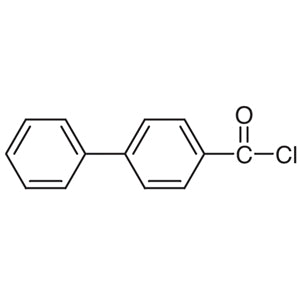
4-Phenylbenzoyl Chloride is a chemical compound widely used as a foundational building block in the synthesis of complex organic compounds. It plays a crucial role in laboratory settings by enabling the construction of larger molecular structures through various chemical reactions. This reagent is particularly valuable for its reactivity and versatility, making it an essential component in organic chemistry research. Its unique molecular structure, featuring a benzoyl group attached to a phenyl ring, contributes to its effectiveness in a range of synthetic pathways.
The compound is preferred due to its high reactivity and the ability to undergo specific substitution reactions. The presence of the chloride group allows for precise control over the synthetic process, enhancing the efficiency of chemical transformations. Its chemical stability under certain conditions ensures reliability in experimental procedures, while its reactivity with bases, alkali metals, and organic solvents makes it adaptable to various reaction conditions. These properties make it a popular choice for the synthesis of aromatic and heterocyclic compounds.
In Indonesian laboratories, 4-Phenylbenzoyl Chloride is extensively used in organic chemistry research, particularly in academic institutions and research organizations. It is commonly employed in the development of new chemical compounds and the study of reaction mechanisms. Its availability and effectiveness have made it a standard reagent in both teaching and research environments, supporting the advancement of chemical knowledge in the region.
- Organic synthesis reactions benefit from 4-Phenylbenzoyl Chloride due to its reactivity and ability to form specific chemical bonds.
- It is ideal for Friedel-Crafts reactions because of its capacity to participate in electrophilic aromatic substitution.
- Esterification processes can be efficiently carried out using this compound, as it provides a reliable source of acyl groups.
- Substitution reactions in aromatic systems are enhanced by the presence of the chloride group, allowing for controlled chemical modifications.
- It supports the synthesis of heterocyclic compounds, offering a versatile platform for the creation of complex molecular structures.
| Brand | TCI |
|---|---|
| CAS number | 14002-51-8 |
| Molecular formula | — |
| Purity | — |
| Category | Chemistry > Building Blocks > Non-Heterocyclic Building Blocks |
| Pack sizes | Available in various quantities as per supplier specifications |
| Physical form | Liquid |
| Storage | Store in a cool, dry place away from moisture and direct sunlight |
4-Phenylbenzoyl Chloride should be stored in a cool, dry environment to maintain its chemical stability. It is recommended to keep it in a sealed container to prevent exposure to moisture and air. Due to its reactivity with bases and organic solvents, it should be handled with care, using appropriate personal protective equipment. Storage in a well-ventilated area is essential to minimize any potential risks. The compound should not be stored near incompatible materials such as strong bases or alkali metals. Regular inspection of the container is advised to ensure no leaks or degradation occur over time.
—
Produk Terkait
-
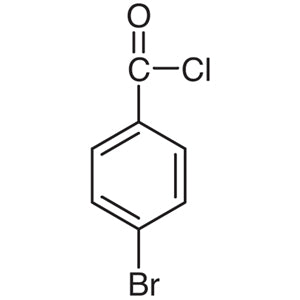
4-BromobenzoylChloride TCI B0558
Regular price From Rp 2.094.750,00Regular price -
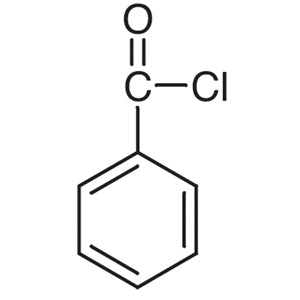
BenzoylChloride TCI B0105
Regular price Rp 505.050,00Regular price -
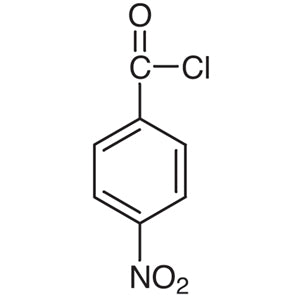
4-NitrobenzoylChloride TCI N0176
Regular price From Rp 505.050,00Regular price -
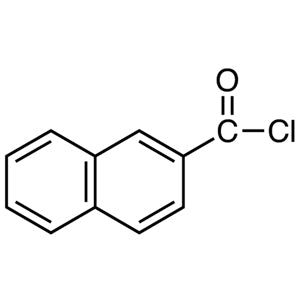
2-NaphthoylChloride TCI N0048
Regular price Rp 2.332.050,00Regular price -
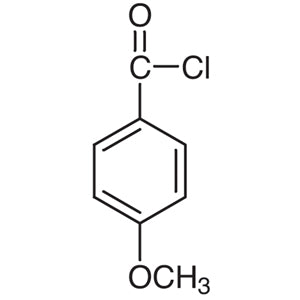
4-MethoxybenzoylChloride TCI M0721
Regular price From Rp 980.700,00Regular price -
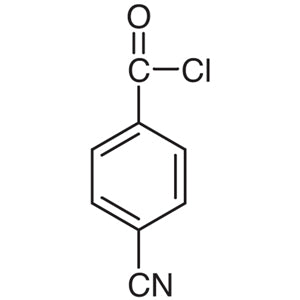
4-CyanobenzoylChloride TCI C1182
Regular price From Rp 2.094.750,00Regular price -
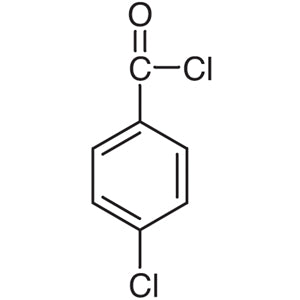
4-ChlorobenzoylChloride TCI C0141
Regular price From Rp 530.250,00Regular price -
2,4,6-TrimethylbenzoylChloride TCI T2470
Regular price From Rp 848.400,00Regular price