Piperonylacetone from TCI, also known as heliotropyl acetone or 4-(3,4-methylenedioxyphenyl)-2-butanone, is an aromatic ketone built around a benzodioxole ring. It is best known in flavor and fragrance work for its sweet, soft aroma. In the chemistry laboratory it serves as a reference compound and as a starting material for synthesis. Because it combines a ketone group with a methylenedioxy ring, it is useful in organic chemistry research, in the analysis of aroma components, and in structure–activity studies of aromatic compounds.
Researchers choose Piperonylacetone because its structure joins two useful parts in one molecule. The aliphatic ketone group can undergo many common reactions, including reduction to the corresponding alcohol, aldol condensation, and conversion to hydrazone and oxime derivatives. The 1,3-benzodioxole ring is a motif often found in natural products and aroma compounds. For analysts, the compound works as a comparison standard when identifying fragrance components by GC or GC-MS. This matters most when a laboratory needs a reference material whose quality is documented by a reagent manufacturer.
In Indonesia, Piperonylacetone is relevant to research laboratories in the flavor and fragrance industry, where teams characterize aroma ingredients and check raw materials against known references. University chemistry departments can also use it in organic synthesis coursework and research projects involving aromatic ketones and benzodioxole derivatives. Analytical and quality control laboratories that identify fragrance components by chromatography will find it useful as a documented reference compound. AMI Scientific supplies this TCI product to support these research and analytical needs.
- Flavor and fragrance research: its sweet, soft aroma and benzodioxole structure make it a relevant compound for studying and characterizing aroma ingredients in industry laboratories.
- GC and GC-MS reference standard: it serves as a comparison material for identifying fragrance components, which is useful when analysts need a reference with manufacturer-documented quality.
- Organic synthesis starting material: its aliphatic ketone group can be reduced to an alcohol or used in aldol condensations, giving chemists a versatile building block.
- Derivative preparation: the ketone readily forms hydrazone and oxime derivatives, which suits teaching labs and research on carbonyl chemistry and compound characterization.
- Structure–activity studies of aromatic compounds: the 1,3-benzodioxole ring is a motif common in natural products, so the compound is a useful model for comparative structural research.
| Brand | TCI (product code P1089) |
|---|---|
| CAS number | 55418-52-5 |
| Molecular formula | — |
| Purity | — |
| Category | TCI |
| Pack sizes | as listed in the TCI catalog; please confirm available sizes when ordering |
| Physical form | — |
| Storage | follow the conditions on the TCI label and Safety Data Sheet |
- Synonyms: heliotropyl acetone; 4-(3,4-methylenedioxyphenyl)-2-butanone
Keep Piperonylacetone in its original, tightly closed manufacturer container. Store it in a cool, dry, well-ventilated place away from direct sunlight, heat sources, and incompatible materials such as strong oxidizing agents. Always check the TCI label and Safety Data Sheet for the recommended storage temperature and any specific hazards. Handle the compound in a fume hood or a well-ventilated area, and wear standard personal protective equipment, including safety glasses, chemical-resistant gloves, and a laboratory coat. Avoid breathing in vapors or dust and avoid contact with skin and eyes. Label any working portions clearly, return containers to storage promptly after use, and dispose of waste according to institutional and local chemical waste regulations.
—
Produk Terkait
-
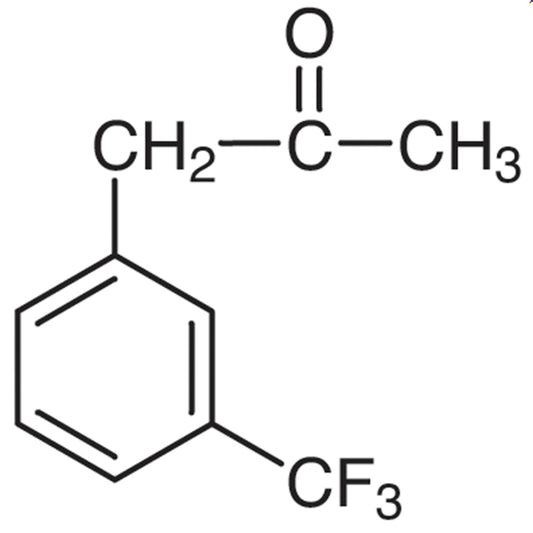
3-(Trifluoromethyl)phenylacetone TCI T1693
Regular price From Rp 903.000,00Regular price -
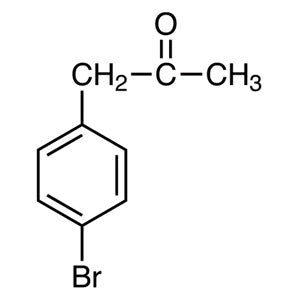
4-Bromophenylacetone TCI B4387
Regular price From Rp 2.782.500,00Regular price -
2-Bromophenylacetone TCI B3842
Regular price From Rp 903.000,00Regular price -
4-Fluorophenylacetone TCI F0535
Regular price From Rp 1.298.850,00Regular price -
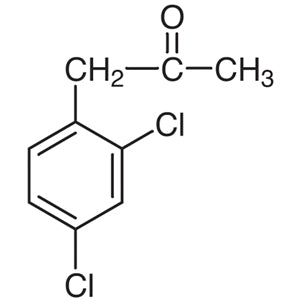
2,4-Dichlorophenylacetone TCI D2928
Regular price Rp 2.254.350,00Regular price -
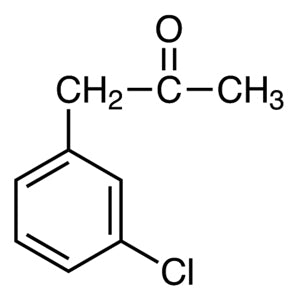
3-Chlorophenylacetone TCI C2895
Regular price From Rp 2.332.050,00Regular price -
4-Chlorophenylacetone TCI C2526
Regular price From Rp 1.035.300,00Regular price -
3,4-Dimethoxyphenylacetone TCI V0052
Regular price From Rp 1.193.850,00Regular price