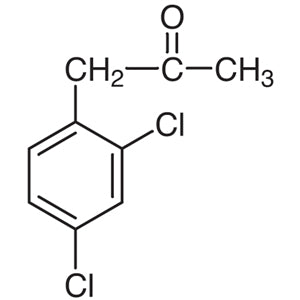
2-Bromophenylacetone is a chemical compound widely used as a foundational building block in the synthesis of complex molecules. It serves as a versatile intermediate in organic chemistry, enabling the modification of aromatic structures through various chemical reactions. Its presence in laboratory settings is crucial for researchers aiming to develop new compounds or analyze molecular structures. This compound is particularly valuable in academic and research institutions across Indonesia, where it supports both teaching and experimental work.
The chemical properties of 2-Bromophenylacetone make it a preferred choice for organic synthesis. It exhibits reactivity under specific conditions, such as the presence of acids, bases, or elevated temperatures, which allows it to participate in substitution, reduction, and other high-reactivity reactions. Its solubility in organic solvents further enhances its utility, facilitating purification and application in diverse laboratory procedures. These characteristics ensure its reliability in both routine and advanced chemical experiments.
In Indonesian laboratories, 2-Bromophenylacetone is commonly used in organic chemistry research, especially in universities and research centers. Its role in the development of new compounds, structural analysis, and reactivity studies makes it an essential reagent for both educational and industrial applications. Its availability and chemical properties make it a go-to material for chemists working on complex synthetic pathways.
- Organic synthesis applications benefit from 2-Bromophenylacetone due to its reactivity and ability to undergo substitution reactions, making it ideal for creating complex molecular structures.
- Structural analysis experiments use this compound as a key intermediate, allowing researchers to study molecular transformations and reaction mechanisms in detail.
- Educational laboratories rely on 2-Bromophenylacetone to teach students about aromatic modification and synthetic pathways in organic chemistry.
- Research institutions utilize it for developing new compounds, leveraging its reactivity for advanced chemical transformations and compound design.
- Analytical chemistry applications incorporate this compound for testing reactivity and stability under various experimental conditions.
| Brand | TCI |
|---|---|
| CAS number | 21906-31-0 |
| Molecular formula | — |
| Purity | — |
| Category | Chemistry > Building Blocks > Non-Heterocyclic Building Blocks |
| Pack sizes | Available in standard laboratory quantities |
| Physical form | Solid or liquid, depending on the specific product variant |
| Storage | Store in a cool, dry place away from light and incompatible substances |
2-Bromophenylacetone should be stored in a cool, dry environment to maintain its chemical stability. It is recommended to keep it in airtight containers to prevent exposure to moisture and air, which may affect its reactivity. Due to its chemical nature, it should be stored away from strong acids, bases, and oxidizing agents to avoid unwanted reactions. Laboratory personnel should handle the compound with appropriate personal protective equipment, such as gloves and safety goggles, to ensure safety during use and storage. Proper ventilation is also essential when working with this compound to minimize inhalation risks. Regular monitoring of storage conditions is advised to maintain its integrity and ensure safe laboratory practices.
—
Produk Terkait
-
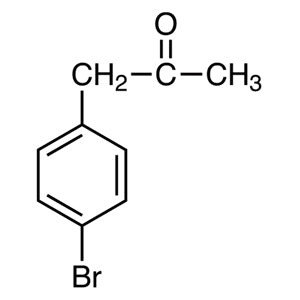
4-Bromophenylacetone TCI B4387
Regular price From Rp 2.835.000,00Regular priceRp 1.998.150,00Sale price From Rp 2.835.000,00 -
3,4-Dimethoxyphenylacetone TCI V0052
Regular price From Rp 1.246.350,00Regular priceRp 887.250,00Sale price From Rp 1.246.350,00 -
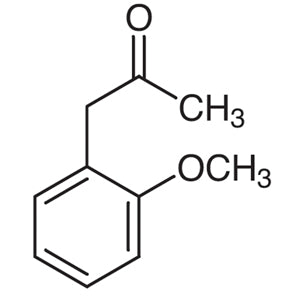
2-Methoxyphenylacetone TCI M0794
Regular price Rp 1.723.050,00Regular priceRp 1.220.100,00Sale price Rp 1.723.050,00 -
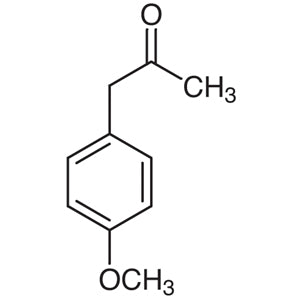
4-Methoxyphenylacetone TCI M0675
Regular price From Rp 1.618.050,00Regular priceRp 1.146.600,00Sale price From Rp 1.618.050,00 -
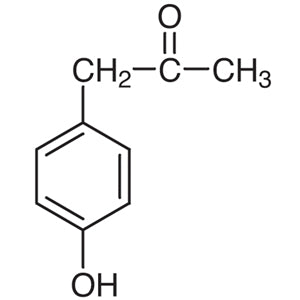
4-Hydroxyphenylacetone TCI H1249
Regular price From Rp 2.677.500,00Regular priceRp 1.887.900,00Sale price From Rp 2.677.500,00 -
Acetonylacetone TCI H0101
Regular price From Rp 1.353.450,00Regular priceRp 946.050,00Sale price From Rp 1.353.450,00 -
2,4-Dichlorophenylacetone TCI D2928
Regular price Rp 2.306.850,00Regular priceRp 1.628.550,00Sale price Rp 2.306.850,00 -
1,1-Diphenylacetone TCI D1397
Regular price From Rp 1.167.600,00Regular priceRp 815.850,00Sale price From Rp 1.167.600,00