TCI H1249 with CAS number 770-39-8 is 4-Hydroxyphenylacetone, an aromatic compound that combines a phenol ring with a ketone side chain. It belongs to the class of non-heterocyclic building blocks and serves as a useful intermediate in laboratory organic synthesis. The presence of a phenolic hydroxyl group positioned para to the side chain gives the molecule a dual character: a phenol side that is weakly acidic and nucleophilic, together with a carbonyl side that is electrophilic and ready to undergo the various addition and condensation reactions typical of ketones.
This combination of two functional groups with distinctly different reactivities is precisely what leads researchers to select this compound. The phenol group can be alkylated, acylated, or protected as an ether so that it does not interfere with reactions at the ketone group, while the carbonyl can be reduced to a secondary alcohol, converted into an amine through reductive amination, or condensed with a wide range of nucleophiles. The aromatic ring, activated by the hydroxyl group, also opens opportunities for directed electrophilic substitution at the ortho positions. That flexibility of transformation makes it an economical starting material in terms of the number of synthetic steps required.
In Indonesian laboratories, this compound is typically used within organic synthesis research groups, university chemistry departments, and research institutions that construct more complex target molecules from simple aromatic scaffolds. It suits work where a single reagent needs to serve several different reaction pathways, allowing a research group to keep one building block on hand rather than stocking multiple narrowly specialised intermediates for separate projects.
Related TCI products
- Organic synthesis intermediate preparation — the dual functionality allows chemists to build larger target molecules from a simple aromatic scaffold while keeping the overall number of synthetic steps low.
- Selective protection and deprotection studies — the phenolic hydroxyl can be masked as an ether so that subsequent chemistry proceeds cleanly at the ketone without competing side reactions.
- Reductive amination work — the electrophilic carbonyl side chain readily converts into amine derivatives, making the compound a convenient substrate for building nitrogen-containing structures.
- Carbonyl reduction and condensation chemistry — the ketone group can be reduced to a secondary alcohol or condensed with a range of nucleophiles for methodology development studies.
- Directed electrophilic aromatic substitution — the activating hydroxyl group directs incoming electrophiles to the ortho positions, giving a predictable route to substituted aromatic products.
| Brand | TCI |
|---|---|
| CAS number | 770-39-8 |
| Molecular formula | — |
| Purity | — |
| Category | Chemistry > Building Blocks > Non-Heterocyclic Building Blocks |
| Pack sizes | available in standard TCI catalogue pack sizes; please confirm the required size when ordering |
| Physical form | — |
| Storage | store in a closed container in a cool, dry place away from light |
- Chemical name: 4-Hydroxyphenylacetone
Store the material in a tightly closed original container in a cool, dry, well-ventilated area, protected from direct sunlight and away from heat sources and incompatible oxidising agents. Phenolic compounds can darken on prolonged exposure to air and light, so containers should be resealed promptly after use. Handle the substance inside a fume hood while wearing a laboratory coat, chemical-resistant gloves, and safety goggles. Avoid inhalation of dust and contact with skin or eyes, use clean dry spatulas to prevent contamination of the stock, and consult the manufacturer's safety data sheet before first use and for disposal guidance.
—
Produk Terkait
-
2-EthoxyphenylaceticAcid TCI E1234
Regular price From Rp 664.650,00Regular price -
3,4-Dimethoxyphenylacetone TCI V0052
Regular price From Rp 1.193.850,00Regular price -
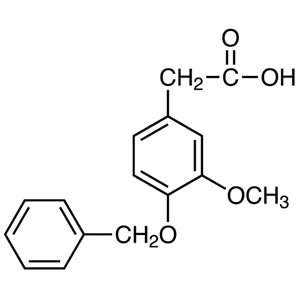
4-Benzyloxy-3-methoxyphenylaceticAcid TCI B4800
Regular price Rp 2.518.950,00Regular price -
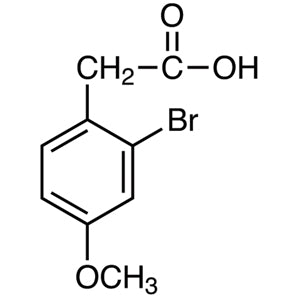
2-Bromo-4-methoxyphenylaceticAcid TCI B4737
Regular price From Rp 848.400,00Regular price -
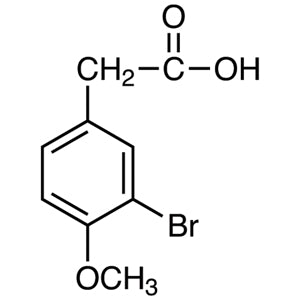
3-Bromo-4-methoxyphenylaceticAcid TCI B4677
Regular price From Rp 689.850,00Regular price -
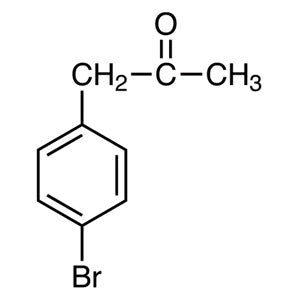
4-Bromophenylacetone TCI B4387
Regular price From Rp 2.782.500,00Regular price -
2-Bromophenylacetone TCI B3842
Regular price From Rp 903.000,00Regular price -
4-MethoxyphenylaceticAnhydride TCI M0968
Regular price Rp 1.565.550,00Regular price