4-Benzyloxy-3-methoxyphenylacetic Acid is a chemical compound widely used in organic synthesis reactions. It serves as a versatile building block in the development of complex molecules, particularly those requiring aromatic structures and specific functional groups. This compound is essential for researchers aiming to create new chemical entities, including pharmaceuticals and industrial chemicals. Its unique molecular structure allows for participation in various chemical transformations, making it a valuable tool in synthetic chemistry.
The compound's chemical properties, including its stability under controlled conditions, make it a preferred choice for laboratory use. Its functional groups enable it to participate in substitution, esterification, and other high-reactivity reactions. The presence of both aromatic and aliphatic moieties enhances its reactivity and applicability across multiple synthetic pathways. These characteristics make it a reliable component in the synthesis of intermediates and final products in both academic and industrial research settings.
In Indonesian laboratories, this compound is commonly used in organic chemistry research, especially in educational institutions and research centers. It plays a key role in projects focused on the synthesis of new compounds, drug development, and molecular structure studies. Its versatility and chemical reactivity make it a sought-after material for chemists working on innovative chemical processes and applications.
Related TCI products
- Organic Synthesis: This compound is ideal for creating complex molecules due to its aromatic structure and functional groups, enabling a wide range of chemical transformations.
- Pharmaceutical Research: Its potential as a building block for drug development makes it valuable in the synthesis of pharmacological compounds and bioactive molecules.
- Chromatography Reagents: It is used in chromatographic techniques to help in the separation and analysis of chemical compounds due to its chemical stability.
- Industrial Chemistry: It serves as an intermediate in the production of various industrial chemicals, contributing to the development of new materials and products.
- Structural Studies: Its unique molecular structure makes it useful for studying molecular interactions and reaction mechanisms in chemical research.
| Brand | TCI |
|---|---|
| CAS number | 29973-91-9 |
| Molecular formula | — |
| Purity | — |
| Category | Chemistry > Building Blocks > Non-Heterocyclic Building Blocks |
| Pack sizes | Available in various quantities as per standard laboratory supply |
| Physical form | Solid |
| Storage | Store in a cool, dry place away from moisture and direct sunlight |
This compound should be stored in a cool, dry environment to maintain its chemical stability. It is recommended to keep it in airtight containers to prevent exposure to moisture and humidity, which can affect its integrity. Due to its sensitivity to temperature and humidity, it is important to avoid extreme conditions during storage and handling. Proper labeling of containers is essential for safe handling and to prevent cross-contamination. In a laboratory setting, it should be handled with appropriate personal protective equipment to ensure safety during use and storage.
—
Produk Terkait
-
3,4-Dimethoxyphenylacetone TCI V0052
Regular price From Rp 1.246.350,00Regular priceRp 887.250,00Sale price From Rp 1.246.350,00 -
4-ButoxyphenylaceticAcid TCI B4742
Regular price From Rp 1.113.000,00Regular priceRp 793.800,00Sale price From Rp 1.113.000,00 -
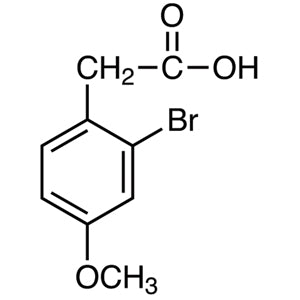
2-Bromo-4-methoxyphenylaceticAcid TCI B4737
Regular price From Rp 900.900,00Regular priceRp 645.750,00Sale price From Rp 900.900,00 -
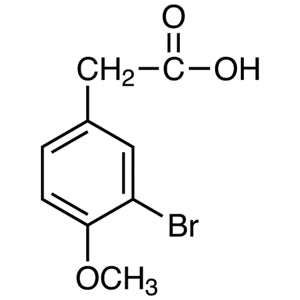
3-Bromo-4-methoxyphenylaceticAcid TCI B4677
Regular price From Rp 742.350,00Regular priceRp 534.450,00Sale price From Rp 742.350,00 -
3-BenzyloxyphenylaceticAcid TCI B4674
Regular price Rp 1.670.550,00Regular priceRp 1.183.350,00Sale price Rp 1.670.550,00 -
4-BenzyloxyphenylaceticAcid TCI B1779
Regular price Rp 3.021.900,00Regular priceRp 2.128.350,00Sale price Rp 3.021.900,00 -
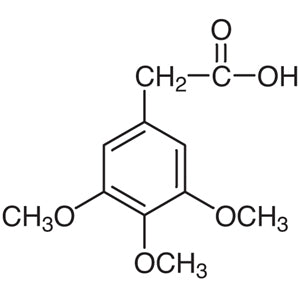
3,4,5-TrimethoxyphenylaceticAcid TCI T1105
Regular price From Rp 1.087.800,00Regular priceRp 775.950,00Sale price From Rp 1.087.800,00 -
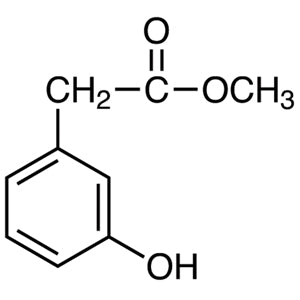
Methyl3-Hydroxyphenylacetate TCI M2925
Regular price From Rp 1.510.950,00Regular priceRp 1.072.050,00Sale price From Rp 1.510.950,00