Methyl 3-Hydroxyphenylacetate is a chemical compound widely used as a building block in the synthesis of complex organic compounds. It plays a crucial role in laboratory settings where researchers aim to construct intricate molecular structures through various chemical reactions. This compound is particularly valuable in reactions involving carbon-carbon bond formation or functional group substitution, making it an essential tool for organic chemists. Its versatility allows it to be incorporated into a wide range of synthetic pathways, supporting the development of new materials and pharmaceuticals.
The compound's stability and controlled reactivity make it a preferred choice for laboratory use. Its molecular structure contains both hydroxyl and ester groups, which enable a variety of chemical transformations such as substitution, hydrolysis, and redox reactions. These properties make it ideal for the synthesis of aromatic compounds and more complex structures. Additionally, its non-toxic nature and availability in the market contribute to its popularity among researchers. The compound’s predictable behavior under different reaction conditions enhances its reliability in experimental settings.
In Indonesian laboratories, Methyl 3-Hydroxyphenylacetate is commonly used in organic chemistry research, especially in pharmacology and material science. It supports the development of new drugs and advanced materials by serving as a key intermediate in synthetic processes. Its presence in academic and industrial research environments reflects its importance in advancing chemical innovation in the region.
Related TCI products
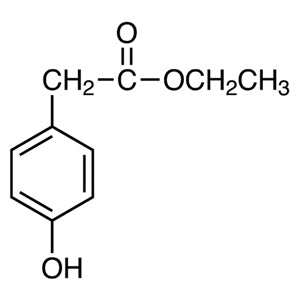
- TCI E1034 17138-28-2 Ethyl 4-Hydroxyphenylacetate
- TCI E1234 70289-12-2 2-Ethoxyphenylacetic Acid
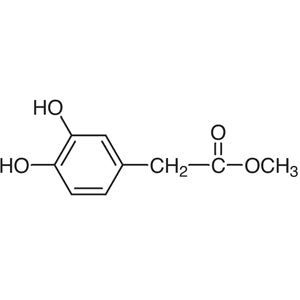
- TCI D2734 25379-88-8 Methyl 3,4-Dihydroxyphenylacetate
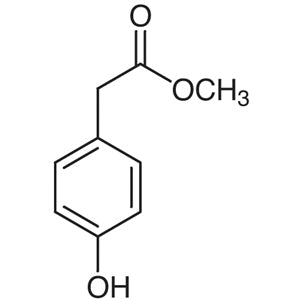
- TCI H0856 14199-15-6 Methyl 4-Hydroxyphenylacetate
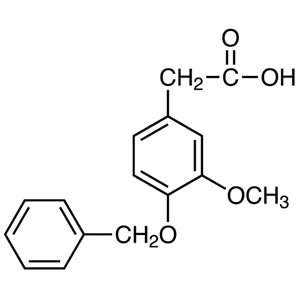
- TCI B4800 29973-91-9 4-Benzyloxy-3-methoxyphenylacetic Acid
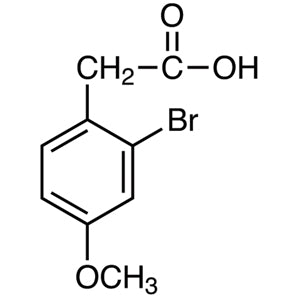
- TCI B4737 66916-99-2 2-Bromo-4-methoxyphenylacetic Acid
- Organic synthesis is a key application where this compound serves as a versatile building block for creating complex molecular structures.
- Pharmaceutical research benefits from its role in the development of new drug compounds through functional group modification.
- Material science applications utilize its reactivity to synthesize polymers and other advanced materials with specific properties.
- Analytical chemistry experiments often use it as a reference standard for testing reaction mechanisms and purity.
- Environmental studies may incorporate it to investigate the degradation pathways of organic pollutants in different conditions.
| Brand | TCI |
|---|---|
| CAS number | 42058-59-3 |
| Molecular formula | — |
| Purity | — |
| Category | Chemistry > Building Blocks > Non-Heterocyclic Building Blocks |
| Pack sizes | Available in various quantities as per supplier specifications |
| Physical form | Solid or liquid, depending on the specific product variant |
| Storage | Store in a cool, dry place away from direct sunlight and moisture |
Methyl 3-Hydroxyphenylacetate should be stored in a cool, dry environment to maintain its chemical stability. It is recommended to keep it in a sealed container to prevent exposure to moisture and air. The compound should be stored away from incompatible substances such as strong acids or bases to avoid any potential chemical reactions. Proper labeling of storage containers is essential for safety and identification purposes. In laboratory settings, it is important to handle the compound with care, using appropriate personal protective equipment when necessary. Regular monitoring of storage conditions ensures the compound remains in optimal condition for use in experiments.
—
Produk Terkait
-
Ethyl4-Hydroxyphenylacetate TCI E1034
Regular price From Rp 1.087.800,00Regular price -
2-EthoxyphenylaceticAcid TCI E1234
Regular price From Rp 664.650,00Regular price -
Methyl3,4-Dihydroxyphenylacetate TCI D2734
Regular price From Rp 2.466.450,00Regular price -
Methyl4-Hydroxyphenylacetate TCI H0856
Regular price From Rp 2.306.850,00Regular price -
4-Benzyloxy-3-methoxyphenylaceticAcid TCI B4800
Regular price Rp 2.518.950,00Regular price -
2-Bromo-4-methoxyphenylaceticAcid TCI B4737
Regular price From Rp 848.400,00Regular price -
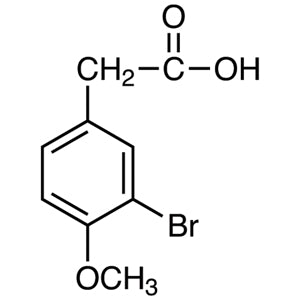
3-Bromo-4-methoxyphenylaceticAcid TCI B4677
Regular price From Rp 689.850,00Regular price -
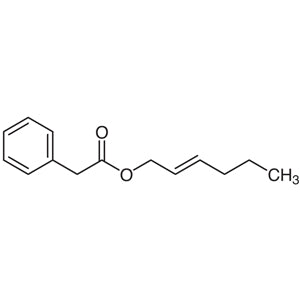
trans-2-Hexen-1-ylPhenylacetate TCI P1045
Regular price Rp 1.298.850,00Regular price