4-Fluorophenylacetone is a chemical compound widely used as a building block in the synthesis of complex molecules. It plays a crucial role in organic chemistry laboratories, where it serves as a versatile intermediate in various reactions. This compound is particularly valuable in the development of aromatic and heterocyclic compounds, which are essential in pharmaceutical, material science, and analytical chemistry research. Its presence in synthetic pathways allows scientists to create a wide range of functional molecules with tailored properties.
The compound’s molecular structure is stable, and its high reactivity makes it an ideal candidate for substitution and electrophilic reactions. The inclusion of fluorine atoms in its structure imparts unique properties, such as altered polarity and enhanced reactivity, which are beneficial in synthetic transformations. These characteristics make 4-Fluorophenylacetone a preferred choice for researchers aiming to design novel compounds with specific chemical behaviors. Its chemical versatility and predictable reactivity contribute to its popularity in both academic and industrial research settings.
In Indonesian laboratories, 4-Fluorophenylacetone is commonly used in scientific research and product development. It is a key reagent in experiments aimed at discovering innovative solutions across multiple scientific disciplines. Many research institutions and universities rely on this compound as a fundamental building block for their chemical experiments. Its application in the synthesis of complex aromatic compounds supports advancements in various fields of study, making it an essential material for chemical research in Indonesia.
TCI brochures (PDF)
- Fluorination Reagents, Fluorinated Building Blocks 2026-03-18 · p. 15
Related TCI products
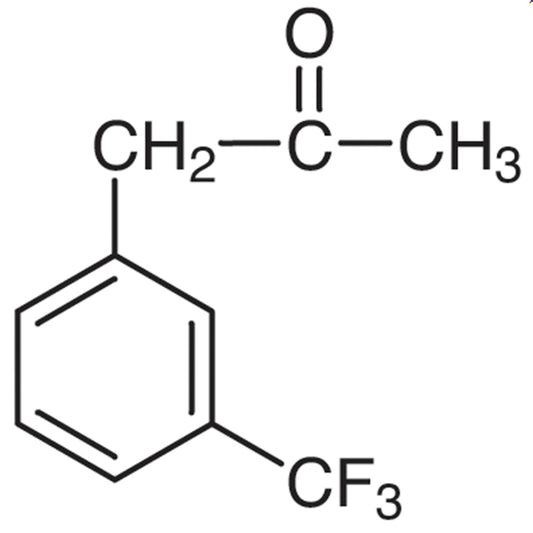
- TCI T1693 21906-39-8 3-(Trifluoromethyl)phenylacetone
- TCI T2368 2338-75-2 4-(Trifluoromethyl)phenylacetonitrile
- TCI T2367 2338-76-3 3-(Trifluoromethyl)phenylacetonitrile
- TCI T2366 3038-47-9 2-(Trifluoromethyl)phenylacetonitrile
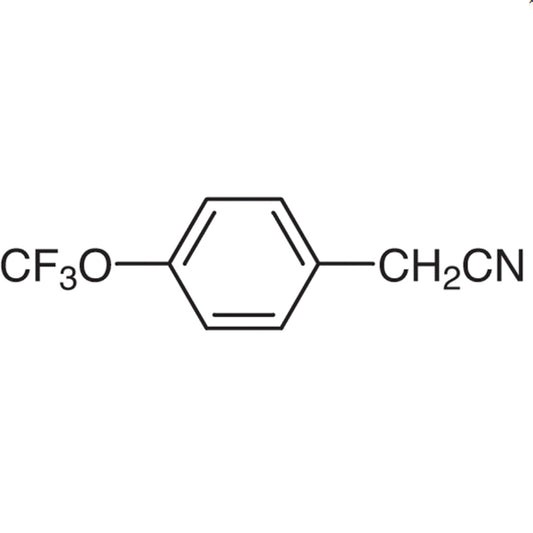
- TCI T1804 49561-96-8 4-(Trifluoromethoxy)phenylacetonitrile
- TCI B2911 85068-32-2 3,5-Bis(trifluoromethyl)phenylacetonitrile
- Synthesis of Aromatic Compounds: 4-Fluorophenylacetone is ideal for creating aromatic structures due to its stable molecular framework and reactivity.
- Development of Heterocyclic Molecules: The compound’s fluorine content enhances reactivity, making it suitable for synthesizing heterocyclic compounds with unique properties.
- Pharmaceutical Research: It is used in the development of new drugs, where its chemical versatility allows for the creation of complex molecular structures.
- Material Science Applications: The compound contributes to the synthesis of advanced materials, offering opportunities for innovation in polymer and composite development.
- Analytical Chemistry Studies: Its predictable reactivity and stability make it useful in analytical experiments for testing chemical behavior and reaction pathways.
| Brand | TCI |
|---|---|
| CAS number | 459-03-0 |
| Molecular formula | — |
| Purity | — |
| Category | Chemistry > Building Blocks > Fluorinated Building Blocks |
| Pack sizes | Available in various quantities as per standard laboratory supply |
| Physical form | Solid or liquid, depending on the specific product variant |
| Storage | Store in a cool, dry place away from direct sunlight and moisture |
4-Fluorophenylacetone should be stored in a cool, dry environment to maintain its chemical stability. It is recommended to keep the compound in airtight containers to prevent exposure to moisture and air, which could affect its reactivity. Suitable storage conditions include a controlled room temperature, typically between 15°C and 25°C. For long-term storage, it is advisable to use containers made of inert materials such as glass or polyethylene to avoid chemical interactions. General laboratory precautions include handling the compound with appropriate personal protective equipment, such as gloves and safety goggles, to ensure safe usage and minimize potential risks. Proper labeling and storage practices are essential to maintain the integrity of the compound and ensure safe laboratory operations.
—
Produk Terkait
-
3-(Trifluoromethyl)phenylacetone TCI T1693
Regular price From Rp 903.000,00Regular price -
4-(Trifluoromethyl)phenylacetonitrile TCI T2368
Regular price Rp 1.353.450,00Regular price -
3-(Trifluoromethyl)phenylacetonitrile TCI T2367
Regular price From Rp 795.900,00Regular price -
2-(Trifluoromethyl)phenylacetonitrile TCI T2366
Regular price From Rp 1.140.300,00Regular price -
4-(Trifluoromethoxy)phenylacetonitrile TCI T1804
Regular price From Rp 610.050,00Regular price -
3,5-Bis(trifluoromethyl)phenylacetonitrile TCI B2911
Regular price Rp 1.829.100,00Regular price -
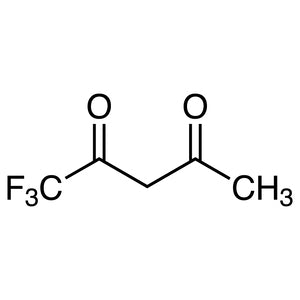
Trifluoroacetylacetone TCI T0434
Regular price From Rp 3.075.450,00Regular price -
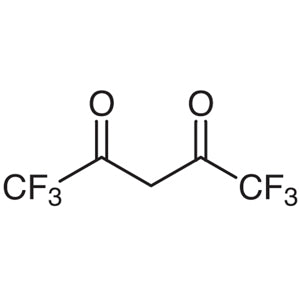
Hexafluoroacetylacetone TCI H0476
Regular price From Rp 1.590.750,00Regular price