Trifluoroacetylacetone (TFAA), with CAS number 367-57-7, is a fluorinated organic compound widely used in laboratory settings for its unique chemical properties and reactivity. It serves as a versatile reagent in organic synthesis, particularly in reactions involving transition metals, where its fluorinated groups contribute to enhanced reactivity and selectivity. TFAA is commonly employed as a building block in the preparation of complex organic molecules, offering chemists a reliable tool for functional group manipulation and structural modification. Its presence in the chemical toolbox of Indonesian laboratories underscores its importance in both academic and industrial research.
The chemical structure of TFAA, featuring three fluorine atoms attached to a carbon backbone, gives it a high degree of polarity and reactivity. These properties make it ideal for use in condensation, substitution, and coordination reactions. The strong electronegativity of fluorine enhances the molecule’s ability to form stable bonds with other atoms, making it a preferred choice for controlled synthetic pathways. This reactivity, combined with its stability under various reaction conditions, ensures that TFAA remains a valuable component in the synthesis of pharmaceuticals, materials, and analytical compounds.
In Indonesian laboratories, TFAA is frequently utilized in pure and applied chemical research. Its role spans across multiple disciplines, including pharmaceutical development, material science, and analytical chemistry. The compound’s ability to participate in diverse reactions and its compatibility with a range of solvents and reagents make it an essential tool for researchers aiming to explore new chemical pathways and develop innovative compounds.
TCI brochures (PDF)
- Ligands 2025-12-01 · p. 17
- Organic synthesis where TFAA acts as a key reagent in the formation of complex molecular structures due to its reactivity and fluorinated functional groups.
- Transition metal catalysis, as TFAA can coordinate with metal centers, enhancing reaction efficiency and selectivity in synthetic processes.
- Pharmaceutical research, where TFAA is used to modify drug molecules for improved bioavailability and therapeutic properties.
- Material science applications, as TFAA contributes to the synthesis of fluorinated polymers and specialty materials with enhanced chemical resistance.
- Analytical chemistry, where TFAA serves as a standard or reagent in spectroscopic and chromatographic analyses due to its distinct chemical signature.
| Brand | TCI |
|---|---|
| CAS number | 367-57-7 |
| Molecular formula | — |
| Purity | — |
| Category | Chemistry > Building Blocks > Fluorinated Building Blocks |
| Pack sizes | Available in various quantities as per standard laboratory supply specifications |
| Physical form | Liquid |
| Storage | Store in a cool, dry place away from direct sunlight and incompatible materials |
TFAA should be stored in a cool, dry environment to maintain its chemical integrity and prevent degradation. It is recommended to use sealed, airtight containers made of materials compatible with organic solvents, such as glass or high-density polyethylene. Due to its reactivity, it should be kept away from strong oxidizing agents and moisture. In laboratory settings, proper ventilation and personal protective equipment are essential when handling TFAA to ensure safety. Regular monitoring of storage conditions and adherence to standard chemical handling protocols will help maintain the compound’s effectiveness and safety in research applications.
—
Produk Terkait
-
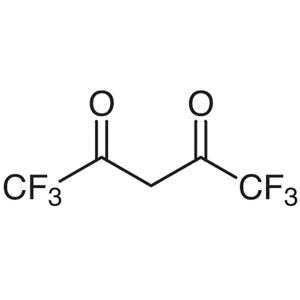
Hexafluoroacetylacetone TCI H0476
Regular price From Rp 1.643.250,00Regular priceRp 1.164.450,00Sale price From Rp 1.643.250,00 -
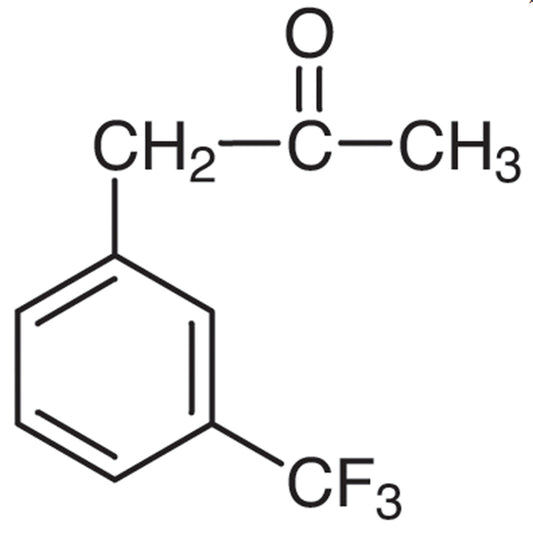
3-(Trifluoromethyl)phenylacetone TCI T1693
Regular price From Rp 955.500,00Regular priceRp 683.550,00Sale price From Rp 955.500,00 -
4-Fluorophenylacetone TCI F0535
Regular price From Rp 1.351.350,00Regular priceRp 960.750,00Sale price From Rp 1.351.350,00 -
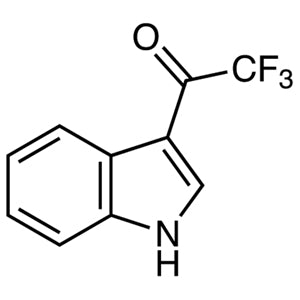
3-(Trifluoroacetyl)indole TCI T1809
Regular price From Rp 1.378.650,00Regular priceRp 979.650,00Sale price From Rp 1.378.650,00 -
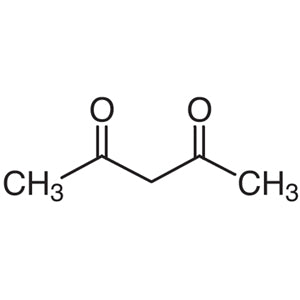
Acetylacetone TCI P0052
Regular price From Rp 477.750,00Regular priceRp 333.900,00Sale price From Rp 477.750,00 -
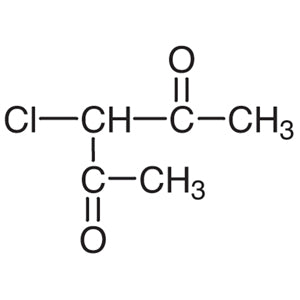
3-Chloroacetylacetone TCI C1277
Regular price Rp 955.500,00Regular priceRp 683.550,00Sale price Rp 955.500,00 -
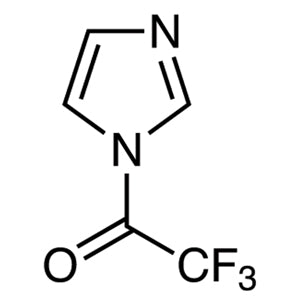
1-(Trifluoroacetyl)imidazole TCI T0670
Regular price From Rp 1.351.350,00Regular priceRp 960.750,00Sale price From Rp 1.351.350,00 -
4-(Trifluoromethyl)phenylacetonitrile TCI T2368
Regular price Rp 1.405.950,00Regular priceRp 998.550,00Sale price Rp 1.405.950,00