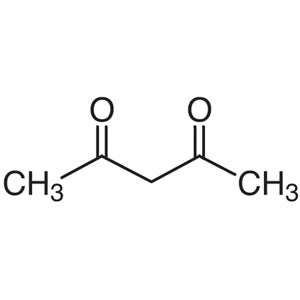
Hexafluoroacetylacetone (HFAA) is a versatile organofluorine compound widely used in chemical laboratories as a building block for complex syntheses. It plays a crucial role in organic chemistry by enabling the formation of fluorinated compounds through its reactive nature. This compound is particularly valuable in reactions that require high reactivity and specificity, making it a key component in advanced synthetic processes. Its unique chemical structure allows it to participate in various reaction mechanisms, including nucleophilic and electrophilic pathways, enhancing its utility in laboratory settings.
The properties of HFAA that make it a preferred choice include its solubility in organic solvents and its ability to undergo a wide range of chemical transformations. Its fluorinated nature provides enhanced stability and reactivity, which are essential for synthesizing complex fluorinated molecules. Additionally, HFAA exhibits good thermal stability under controlled conditions, allowing for reliable use in a variety of experimental setups. These characteristics make it an indispensable reagent for researchers working with fluorinated compounds and complex organic syntheses.
In Indonesian laboratories, Hexafluoroacetylacetone is commonly used in organic chemistry research, especially in the synthesis of fluorinated compounds and in reactions that require a reactive and specific building block. Its availability and reliability make it a standard reagent in both academic and industrial research settings. Its role in facilitating complex chemical transformations underscores its importance in the field of fluorinated chemistry.
TCI brochures (PDF)
- Fluorous Chemistry 2025-01-21 · p. 6
- Ligands 2025-12-01 · p. 17
- Fluorination Reagents, Fluorinated Building Blocks 2026-03-18 · p. 52
- Organic synthesis of fluorinated compounds due to its reactivity and ability to form complex structures.
- Use in nucleophilic and electrophilic reactions as a versatile building block for fluorinated molecules.
- Application in Friedel-Crafts-type reactions for the formation of aromatic fluorinated derivatives.
- Utilization in the preparation of metal complexes due to its ability to coordinate with various metal ions.
- Support for research in pharmaceutical and agrochemical development through its role in fluorinated compound synthesis.
| Brand | TCI |
|---|---|
| CAS number | 1522-22-1 |
| Molecular formula | — |
| Purity | — |
| Category | Chemistry > Building Blocks > Fluorinated Building Blocks |
| Pack sizes | Available in various quantities as per standard laboratory supply |
| Physical form | Liquid |
| Storage | Store in a cool, dry place away from light and incompatible materials |
Hexafluoroacetylacetone should be stored in a cool, dry environment, away from direct sunlight and sources of heat. It is recommended to use sealed containers made of materials compatible with fluorinated compounds, such as glass or high-density polyethylene. The compound should be kept in a well-ventilated area to prevent the accumulation of vapors. Due to its reactivity, it should be handled with care, using appropriate personal protective equipment. Avoid contact with incompatible substances, such as strong oxidizers or bases, to ensure safe storage and use in the laboratory.
—
Produk Terkait
-
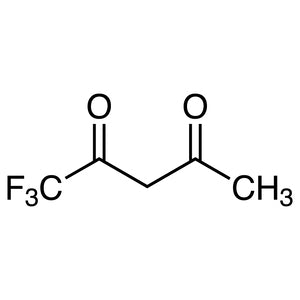
Trifluoroacetylacetone TCI T0434
Regular price From Rp 3.075.450,00Regular price -
2,2,2,4'-Tetrafluoroacetophenone TCI T3257
Regular price From Rp 1.776.600,00Regular price -
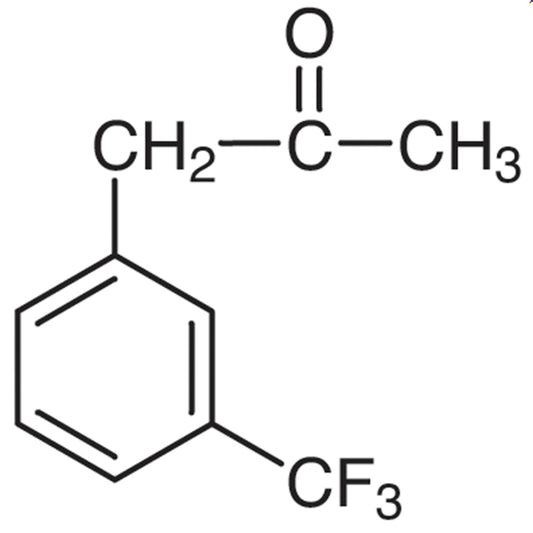
3-(Trifluoromethyl)phenylacetone TCI T1693
Regular price From Rp 903.000,00Regular price -
4-Fluorophenylacetone TCI F0535
Regular price From Rp 1.298.850,00Regular price -
2,3,4,5-Tetrafluoroaniline TCI T2782
Regular price From Rp 1.803.900,00Regular price -
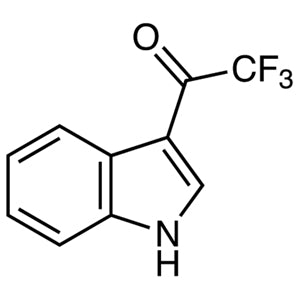
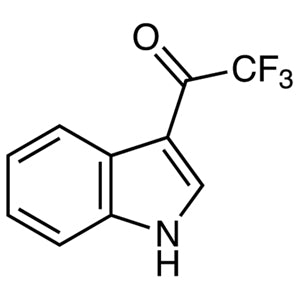
3-(Trifluoroacetyl)indole TCI T1809
Regular price From Rp 1.326.150,00Regular price -
2,3,5,6-Tetrafluoroaniline TCI T1028
Regular price From Rp 1.087.800,00Regular price -
Acetylacetone TCI P0052
Regular price From Rp 477.750,00Regular price