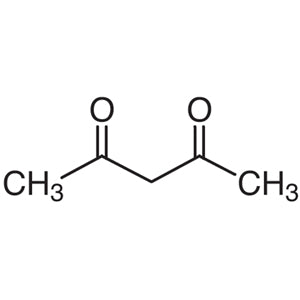
Acetylacetone, also known as 2,4-pentanedione, is a β-diketone compound and one of the most versatile reagents in the chemistry laboratory. TCI supplies it as a non-heterocyclic building block. Its main role is as a precursor to the acetylacetonate (acac) ligand, which forms stable chelate complexes with many metal ions. Acetylacetone is also widely used in heterocyclic synthesis, for example to make pyrazoles and pyrimidines. It is used in analytical chemistry as well, and as a starting material for catalyst and materials precursors. One reagent therefore serves several research and teaching needs.
Chemists choose acetylacetone because of its keto-enol tautomeric equilibrium. In the enol form, the molecule holds an intramolecular hydrogen bond. Once deprotonated, it gives an anion that binds a metal through its two oxygen atoms and closes a chelate ring. The carbon atom between the two carbonyl groups is acidic, and after deprotonation it acts as a nucleophile, so it can be alkylated or condensed easily. Together, these properties explain why acetylacetone appears in so many fields, from coordination chemistry to drug synthesis.
In Indonesia, inorganic chemistry laboratories use acetylacetone to synthesize metal-acac complexes for coordination studies and student practicals. Materials laboratories use it in sol-gel methods to prepare precursors and control reactivity. Organic synthesis groups at universities and research institutions use it as a building block for heterocycles and functionalized intermediates. Analytical laboratories also use it in methods based on metal complexation. Because it serves so many purposes, many teams keep it as a standard bench reagent.
TCI brochures (PDF)
- Ligands 2025-12-01 · p. 17
- Metal acetylacetonate synthesis: the deprotonated acac anion binds metal ions through two oxygen atoms and forms stable chelate rings, so it is a reliable route to many coordination complexes.
- Heterocyclic synthesis: its two carbonyl groups condense readily with suitable partners, which makes acetylacetone a practical starting material for building pyrazole and pyrimidine ring systems.
- Carbon-carbon bond formation: the acidic carbon between the carbonyls becomes nucleophilic after deprotonation, so researchers can alkylate or condense it to build more complex intermediates.
- Catalyst and materials precursors: metal-acac complexes made from acetylacetone are common starting points for preparing catalysts and functional materials, including through sol-gel routes.
- Analytical chemistry: its strong, predictable chelation of metal ions makes acetylacetone useful in analytical procedures that rely on forming metal complexes for separation or detection.
| Brand | TCI (product code P0052) |
|---|---|
| CAS number | 123-54-6 |
| Molecular formula | — |
| Purity | — |
| Category | Chemistry > Building Blocks > Non-Heterocyclic Building Blocks |
| Pack sizes | available in TCI's standard pack sizes; please ask AMI Scientific about current options |
| Physical form | liquid |
| Storage | tightly closed container in a cool, well-ventilated area, away from heat and ignition sources |
Keep acetylacetone in its original, tightly closed container. Store it in a cool, dry, well-ventilated area away from heat, sparks, open flames, and strong oxidizing agents. Put the container back in storage right after use so the liquid takes up as little moisture and air as possible. Work in a fume hood or another well-ventilated space. Wear suitable personal protective equipment, including chemical-resistant gloves, safety goggles, and a lab coat, and avoid contact with skin, eyes, and vapor. Label secondary containers clearly. Always read the supplier's Safety Data Sheet before use, and follow your institution's chemical waste rules when you dispose of residues.
—
Produk Terkait
-
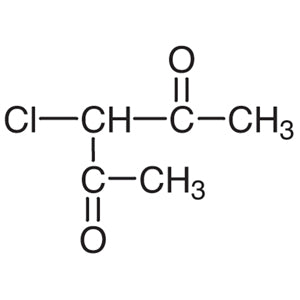
3-Chloroacetylacetone TCI C1277
Regular price Rp 903.000,00Regular price -
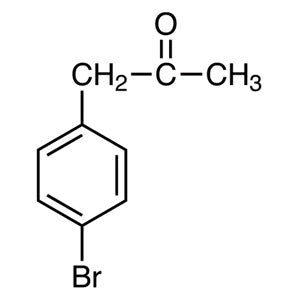
4-Bromophenylacetone TCI B4387
Regular price From Rp 2.782.500,00Regular price -
2-Bromophenylacetone TCI B3842
Regular price From Rp 903.000,00Regular price -
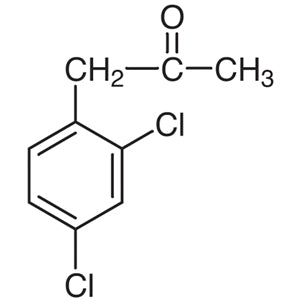
2,4-Dichlorophenylacetone TCI D2928
Regular price Rp 2.254.350,00Regular price -
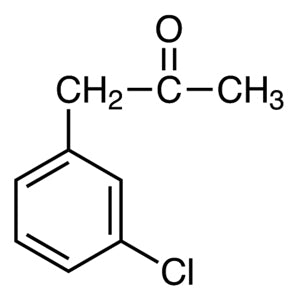
3-Chlorophenylacetone TCI C2895
Regular price From Rp 2.332.050,00Regular price -
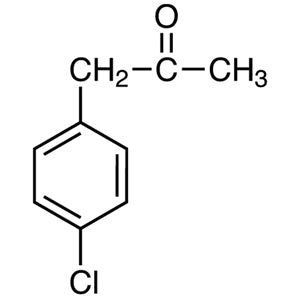
4-Chlorophenylacetone TCI C2526
Regular price From Rp 1.035.300,00Regular price -
3,4-Dimethoxyphenylacetone TCI V0052
Regular price From Rp 1.193.850,00Regular price -
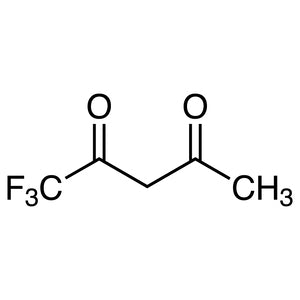
Trifluoroacetylacetone TCI T0434
Regular price From Rp 3.075.450,00Regular price