3,5-Bis(trifluoromethyl)phenylacetonitrile is a chemical compound widely used as a building block in the synthesis of complex organic compounds. Its unique molecular structure makes it an essential reagent in various chemical reactions, including substitution and electrophilic reactions. In the laboratory, this compound serves as a key starting material for creating fluorinated compounds with specific functional groups. Its versatility and reactivity are highly valued in both academic and industrial research settings.
The compound's fluorinated groups at positions 3 and 5 contribute to its exceptional chemical stability and reactivity. These characteristics make it ideal for applications requiring high selectivity and controlled reaction conditions. Its solubility in organic solvents further enhances its utility in purification and reaction processes. The combination of stability and solubility ensures that it remains a reliable choice for synthetic chemists.
In Indonesian laboratories, 3,5-Bis(trifluoromethyl)phenylacetonitrile is commonly used in organic chemistry, pharmaceutical, and materials research. It supports the development of new compounds with potential applications in medicine and industry. Its availability in the local market facilitates research efforts, making it a preferred choice for scientists and researchers in Indonesia.
TCI brochures (PDF)
- Fluorination Reagents, Fluorinated Building Blocks 2026-03-18 · p. 41
Related TCI products
- TCI T2368 2338-75-2 4-(Trifluoromethyl)phenylacetonitrile
- TCI T2367 2338-76-3 3-(Trifluoromethyl)phenylacetonitrile
- TCI T2366 3038-47-9 2-(Trifluoromethyl)phenylacetonitrile
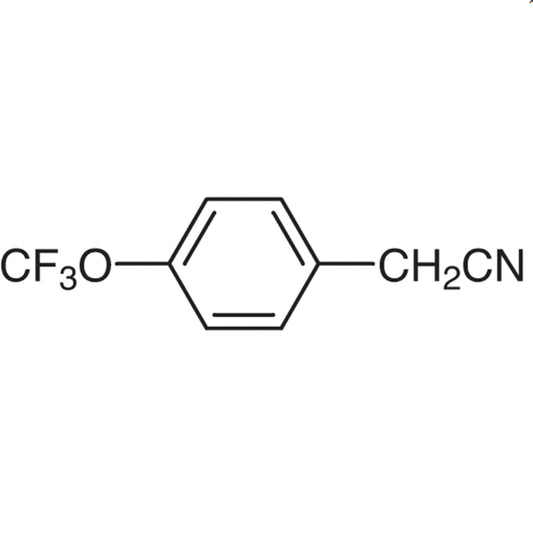
- TCI T1804 49561-96-8 4-(Trifluoromethoxy)phenylacetonitrile
- TCI D4602 145689-34-5 2,3-Difluorophenylacetonitrile
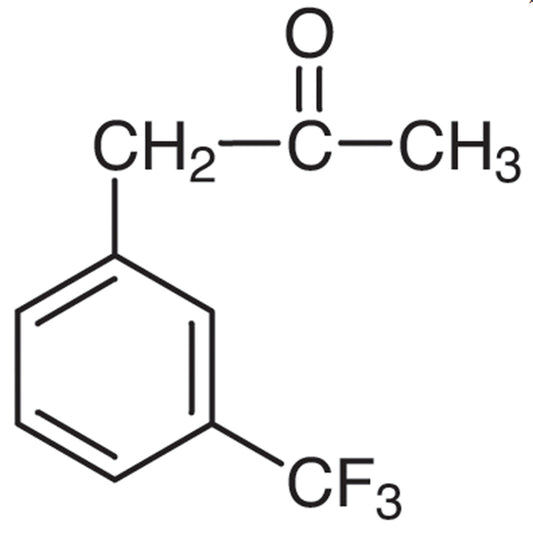
- TCI T1693 21906-39-8 3-(Trifluoromethyl)phenylacetone
- Organic synthesis applications benefit from this compound's reactivity and stability, enabling the creation of complex fluorinated molecules.
- Pharmaceutical research utilizes its fluorinated structure to develop compounds with enhanced biological activity and metabolic stability.
- Materials science applications leverage its chemical resistance and structural versatility for creating advanced polymer and coating materials.
- Analytical chemistry experiments use its distinct spectral properties for identification and quantification in complex mixtures.
- Environmental studies incorporate it as a model compound to investigate the behavior and degradation of fluorinated substances in various matrices.
| Brand | TCI |
|---|---|
| CAS number | 85068-32-2 |
| Molecular formula | — |
| Purity | — |
| Category | Chemistry > Building Blocks > Fluorinated Building Blocks |
| Pack sizes | Available in standard laboratory quantities |
| Physical form | Liquid |
| Storage | Store in a cool, dry place away from light and incompatible materials |
This compound should be stored in a cool, dry place, away from direct light and incompatible substances such as strong oxidizers. It is recommended to use sealed containers made of materials compatible with organic solvents to prevent evaporation and contamination. Due to its chemical stability, it does not require refrigeration but should be kept in a well-ventilated area. Laboratory personnel should wear appropriate personal protective equipment, including gloves and safety goggles, when handling this compound to ensure safe working conditions. Proper labeling and storage practices are essential to maintain the integrity and safety of the compound in the laboratory environment.
—
Produk Terkait
-
4-(Trifluoromethyl)phenylacetonitrile TCI T2368
Regular price Rp 1.405.950,00Regular priceRp 998.550,00Sale price Rp 1.405.950,00 -
3-(Trifluoromethyl)phenylacetonitrile TCI T2367
Regular price From Rp 848.400,00Regular priceRp 609.000,00Sale price From Rp 848.400,00 -
2-(Trifluoromethyl)phenylacetonitrile TCI T2366
Regular price From Rp 1.192.800,00Regular priceRp 849.450,00Sale price From Rp 1.192.800,00 -
4-(Trifluoromethoxy)phenylacetonitrile TCI T1804
Regular price From Rp 662.550,00Regular priceRp 478.800,00Sale price From Rp 662.550,00 -
2,3-Difluorophenylacetonitrile TCI D4602
Regular price From Rp 822.150,00Regular priceRp 590.100,00Sale price From Rp 822.150,00 -
3-(Trifluoromethyl)phenylacetone TCI T1693
Regular price From Rp 955.500,00Regular priceRp 683.550,00Sale price From Rp 955.500,00 -
4-Fluorobenzoylacetonitrile TCI F0987
Regular price From Rp 1.458.450,00Regular priceRp 1.035.300,00Sale price From Rp 1.458.450,00 -
4-Fluorophenylacetone TCI F0535
Regular price From Rp 1.351.350,00Regular priceRp 960.750,00Sale price From Rp 1.351.350,00