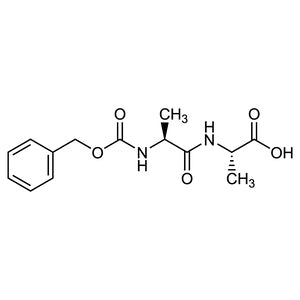
TCI P3328 Z-Ala-Ala-OH is an alanyl-alanine dipeptide in which the N-terminal amino group is protected by a benzyloxycarbonyl group (Z or Cbz), while the C-terminus remains a free carboxylic acid. In the laboratory, this compound is used as a building block in peptide synthesis, serving as a ready-made dipeptide fragment that can be coupled to other amino acids or peptides. It is also used in enzyme research, particularly in studies of proteases and peptidases, where defined short peptide sequences are needed.
Several properties make this compound a preferred choice. The Z protecting group has a long history in peptide chemistry because it is stable under many reaction conditions and can be removed by catalytic hydrogenolysis or by certain strong acid conditions. This gives chemists flexibility when planning protection and deprotection strategies. Using a pre-assembled dipeptide saves one full coupling and deprotection cycle, which makes synthesis more efficient and reduces the chance of errors. The Ala-Ala sequence also appears often in protease substrates and inhibitors, for example those for elastase-type enzymes, so this dipeptide is a valuable starting material for substrate design.
In Indonesia, Z-Ala-Ala-OH is relevant to peptide chemistry, biochemistry, and pharmaceutical laboratories that synthesize short peptides or develop enzyme assay substrates. University research groups working on peptide synthesis methods, pharmaceutical development teams preparing peptide intermediates, and biochemistry laboratories studying protease activity can all use this compound in their routine work. The 1g and 5g pack sizes give flexibility, from small-scale exploratory experiments to larger preparative work that needs more material.
- Peptide synthesis building block: the ready-made Z-protected dipeptide can be coupled directly with other amino acids or peptides, saving a full coupling and deprotection cycle.
- Fragment condensation strategies: the free C-terminal carboxylic acid lets the dipeptide be activated and joined to larger peptide segments while the N-terminus stays protected by the Z group.
- Protease and peptidase research: the Ala-Ala sequence is a common motif in enzyme substrates, which makes this compound useful for studying how proteases and peptidases recognize and cleave peptide bonds.
- Enzyme substrate and inhibitor design: because Ala-Ala appears in substrates and inhibitors of elastase-type enzymes, this dipeptide is a practical starting material for building new assay substrates.
- Protecting group strategy studies: the Z group is stable under many conditions and can be removed by catalytic hydrogenolysis or certain strong acids, so it suits training and method work on orthogonal protection schemes.
| Brand | TCI (product code P3328) |
|---|---|
| CAS number | 16012-70-7 |
| Molecular formula | — |
| Purity | — |
| Category | Life Science > Biochemicals and Reagents > Peptides |
| Pack sizes | 1g and 5g |
| Physical form | — |
| Storage | follow the conditions stated on the product label and the manufacturer's Safety Data Sheet |
- Chemical description: N-benzyloxycarbonyl (Z/Cbz) protected alanyl-alanine dipeptide with a free C-terminal carboxylic acid
Keep Z-Ala-Ala-OH in its original, tightly closed container, stored in a cool, dry, well-ventilated place away from direct sunlight, moisture, and incompatible substances such as strong oxidizing agents. Always follow the storage conditions given on the product label and in the manufacturer's Safety Data Sheet. Reseal the container promptly after each use so the material is not exposed to humidity for long. When handling the compound, wear standard laboratory protective equipment, including gloves, safety glasses, and a lab coat. Avoid creating or breathing in dust, and avoid contact with skin and eyes. Weigh and transfer the material with clean, dry tools in a suitable work area such as a fume hood. Label any portions you transfer to secondary containers clearly, and dispose of waste according to local regulations and your institution's procedures.
—
Produk Terkait
-
DL-Alanyl-DL-phenylalanine TCI A0223
Regular price Rp 3.419.850,00Regular price -
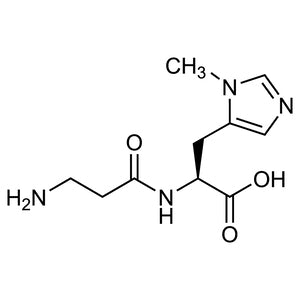
beta-Alanyl-L-histidine TCI A0222
Regular price From Rp 743.400,00Regular price -
Ubenimex TCI U0111
Regular price From Rp 4.743.900,00Regular price -
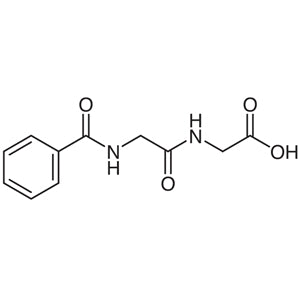
Benzoylglycylglycine TCI B0203
Regular price Rp 1.908.900,00Regular price -
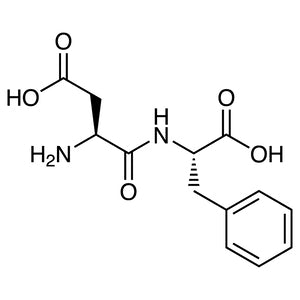
L-alpha-Aspartyl-L-phenylalanine TCI A3489
Regular price From Rp 1.353.450,00Regular price -
Anserine TCI A1788
Regular price Rp 1.405.950,00Regular price -
L-Alanyl-L-proline TCI A1495
Regular price Rp 6.015.450,00Regular price -
L-Alanyl-L-tyrosine TCI A1263
Regular price Rp 4.001.550,00Regular price