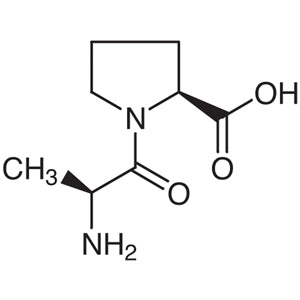
L-Alanyl-L-proline is a peptide compound widely used in biochemical experiments and scientific research. As a key reagent in life sciences, it plays a vital role in various laboratory processes, including the synthesis of complex molecules and the study of molecular interactions. Its structural specificity and chemical stability make it an essential tool for researchers aiming to understand biological mechanisms at the molecular level. This compound is particularly valuable in the development of new pharmaceuticals and in biochemical analysis due to its predictable behavior under controlled conditions.
The properties that make L-Alanyl-L-proline a preferred choice include its high purity and ability to form specific bonds with various molecules. Its stable molecular structure allows for consistent results in experiments, while its predictable chemical behavior simplifies identification and analysis in laboratory settings. These characteristics ensure that it remains a reliable component in biochemical and pharmaceutical research, offering researchers a dependable and versatile material for their studies.
In Indonesian laboratories, L-Alanyl-L-proline is commonly used in biochemical, pharmacological, and genetic research. It is an essential material for drug development, metabolic studies, and molecular interaction analysis. Its widespread use in these fields highlights its importance as a fundamental reagent in scientific investigations conducted in Indonesia.
TCI brochures (PDF)
- Amino Acids and Peptide Synthesis Reagents 2025-08-14 · p. 33
Related TCI products
- TCI A0223 1999-45-7 DL-Alanyl-DL-phenylalanine
- TCI A0222 305-84-0 beta-Alanyl-L-histidine
- TCI A1263 3061-88-9 L-Alanyl-L-tyrosine
- TCI G0137 704-15-4 Glycyl-L-proline
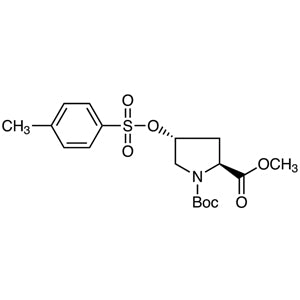
- TCI B5247 88043-21-4 N-(tert-Butoxycarbonyl)-trans-4-(p-toluenesulfonyloxy)-L-proline Methyl Ester
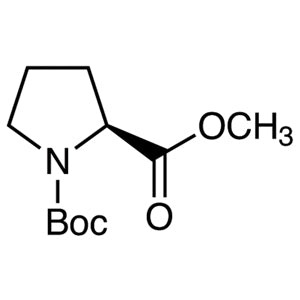
- TCI B5228 59936-29-7 N-(tert-Butoxycarbonyl)-L-proline Methyl Ester
- Biochemical Synthesis: L-Alanyl-L-proline is ideal for synthesizing complex peptides and proteins due to its stable molecular structure and predictable chemical behavior.
- Molecular Interaction Studies: Its ability to form specific bonds with various molecules makes it suitable for studying molecular interactions in biochemical research.
- Drug Development: This compound is frequently used in pharmaceutical research to develop new drugs and analyze their biological activity.
- Metabolic Research: It plays a key role in studying metabolic pathways and understanding how molecules interact within biological systems.
- Genetic Studies: L-Alanyl-L-proline is used in genetic research to investigate protein structures and their functions in biological processes.
| Brand | TCI |
|---|---|
| CAS number | 13485-59-1 |
| Molecular formula | — |
| Purity | — |
| Category | Life Science > Biochemicals and Reagents > Peptides |
| Pack sizes | Available in standard laboratory quantities |
| Physical form | Solid powder |
| Storage | Store in a cool, dry place away from moisture and light |
L-Alanyl-L-proline should be stored in a cool, dry place, away from moisture and direct light to maintain its chemical stability. It is recommended to use airtight containers to prevent exposure to humidity, which could affect its purity. In laboratory settings, it should be handled with care to avoid contamination, and appropriate personal protective equipment should be worn when working with the compound. Due to its chemical properties, it should be stored separately from incompatible substances to ensure safety. Regular monitoring of storage conditions is essential to maintain the integrity of the material for reliable experimental results.
—
Produk Terkait
-
DL-Alanyl-DL-phenylalanine TCI A0223
Regular price Rp 3.419.850,00Regular price -
beta-Alanyl-L-histidine TCI A0222
Regular price From Rp 743.400,00Regular price -
L-Alanyl-L-tyrosine TCI A1263
Regular price Rp 4.001.550,00Regular price -
Glycyl-L-proline TCI G0137
Regular price Rp 3.021.900,00Regular price -
N-(tert-Butoxycarbonyl)-trans-4-(p-toluenesulfonyloxy)-L-prolineMethylEster TCI B5247
Regular price From Rp 557.550,00Regular price -
N-(tert-Butoxycarbonyl)-L-prolineMethylEster TCI B5228
Regular price From Rp 637.350,00Regular price -
N-(tert-Butoxycarbonyl)-D-prolineMethylEster TCI B4787
Regular price From Rp 769.650,00Regular price -
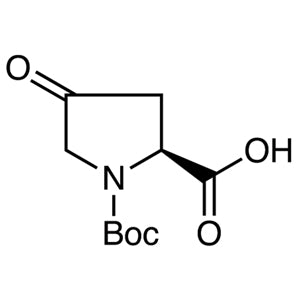
N-(tert-Butoxycarbonyl)-4-oxo-L-proline TCI B4141
Regular price From Rp 1.298.850,00Regular price