Azulene is an organic compound with a unique structure and intriguing chemical properties, making it a valuable material in laboratory settings. It is widely used in chemical experiments to study the reactivity and stability of aromatic compounds. Its distinct blue color aids in identification during analytical processes. In the laboratory, Azulene serves as a fundamental building block for the synthesis of complex compounds or as an indicator in specific reactions. The compound's molecular structure is symmetrical, contributing to its high stability, which makes it a preferred choice for various chemical investigations.
Azulene is non-polar and has a relatively high melting point, which simplifies separation and purification processes. These physical properties make it ideal for use in analytical and synthetic applications. Its chemical stability also allows it to be used in testing the reactivity of other compounds. The compound’s unique characteristics make it a reliable and consistent material for scientific research. Its non-polar nature and high melting point ensure that it remains stable under various experimental conditions, enhancing its utility in laboratory settings.
In Indonesian laboratories, Azulene is commonly used in organic and analytical chemistry research. It plays a crucial role in experiments aimed at understanding aromatic compound behavior and their applications in chemical synthesis. Its reliability and consistent performance make it a preferred choice for researchers seeking to explore the properties of aromatic compounds. Azulene is an essential component in many scientific studies conducted in Indonesia, supporting both academic and industrial research efforts.
- Organic Synthesis: Azulene is used in the synthesis of complex organic compounds due to its unique structure and reactivity.
- Analytical Chemistry: Its distinct blue color makes it an effective indicator in various analytical procedures.
- Stability Testing: Azulene's high stability allows it to be used in testing the reactivity of other compounds under controlled conditions.
- Spectroscopic Analysis: The compound's unique electronic structure makes it suitable for spectroscopic studies.
- Teaching and Research: Azulene is commonly used in educational and research settings to demonstrate aromatic compound behavior.
| Brand | TCI |
|---|---|
| CAS number | 275-51-4 |
| Molecular formula | — |
| Purity | — |
| Category | Chemistry > Building Blocks > Non-Heterocyclic Building Blocks |
| Pack sizes | Available in various quantities as per supplier |
| Physical form | Solid |
| Storage | Store in a cool, dry place away from light |
Azulene should be stored in a cool, dry place away from direct light to maintain its stability and prevent degradation. It is recommended to use airtight containers to minimize exposure to moisture and air. Since Azulene is non-polar, it is advisable to store it in containers that are chemically inert to avoid any unwanted reactions. Laboratory personnel should handle Azulene with care, using appropriate personal protective equipment when necessary. Proper storage conditions ensure the compound remains effective for use in experiments. Regular monitoring of storage conditions is essential to maintain the integrity of the material.
—
Produk Terkait
-
Azulene-1-carboxaldehyde TCI A2752
Regular price Rp 8.347.500,00Regular priceRp 5.836.950,00Sale price Rp 8.347.500,00 -
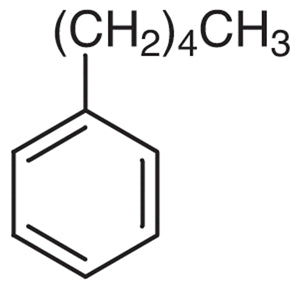
Amylbenzene TCI A0449
Regular price From Rp 1.353.450,00Regular priceRp 946.050,00Sale price From Rp 1.353.450,00 -
Anthracene TCI A0495
Regular price From Rp 584.850,00Regular priceRp 408.450,00Sale price From Rp 584.850,00 -
Acenaphthylene TCI A0005
Regular price From Rp 769.650,00Regular priceRp 537.600,00Sale price From Rp 769.650,00 -
Acenaphthene TCI A0003
Regular price From Rp 769.650,00Regular priceRp 537.600,00Sale price From Rp 769.650,00 -
9-Vinylanthracene TCI V0130
Regular price From Rp 2.545.200,00Regular priceRp 1.779.750,00Sale price From Rp 2.545.200,00 -
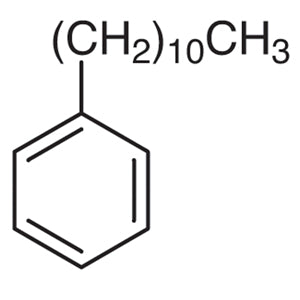
Undecylbenzene TCI U0010
Regular price From Rp 1.140.300,00Regular priceRp 796.950,00Sale price From Rp 1.140.300,00 -
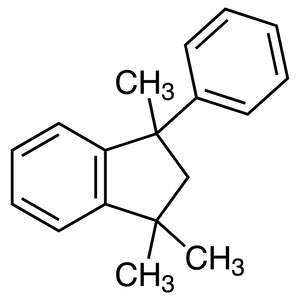
1,1,3-Trimethyl-3-phenylindane TCI T4097
Regular price From Rp 955.500,00Regular priceRp 667.800,00Sale price From Rp 955.500,00