Trimethyl trans-Aconitate (TCI A0725, CAS 4271-99-2) is a chemical compound widely used in organic laboratory reactions. It belongs to the category of non-heterocyclic building blocks, making it a fundamental component in the synthesis of complex molecules. This ester derivative of aconitic acid is valued for its ability to participate in substitution and other critical reactions, enabling the creation of new chemical structures. Its role in organic chemistry is essential, particularly in research settings where precise and reactive compounds are required.
The compound's chemical properties make it a preferred choice for laboratory applications. It exhibits stability under certain conditions but remains highly reactive toward specific reagents, allowing for controlled chemical transformations. Its simple molecular structure and high reactivity make it ideal for reactions that demand both precision and efficiency. These characteristics make Trimethyl trans-Aconitate a versatile reagent in synthetic chemistry, supporting a wide range of experimental protocols.
In Indonesian laboratories, Trimethyl trans-Aconitate is commonly used in scientific research and educational settings. It is frequently found in chemical laboratories, both for research purposes and as a teaching tool. Its reactivity and broad applications make it a go-to compound for chemists and students alike, supporting advancements in organic synthesis and chemical innovation.
Related TCI products
- TCI T3033 52831-11-5 Trimethyl 1,3,5-Cyclohexanetricarboxylate (cis- and trans- mixture)
- TCI T3029 185855-30-5 Trimethyl 1,2,4-Cyclohexanetricarboxylate (cis- and trans- mixture)
- TCI T3839 16837-14-2 2,2,5-Trimethyl-1,3-dioxane-5-carboxylic Acid
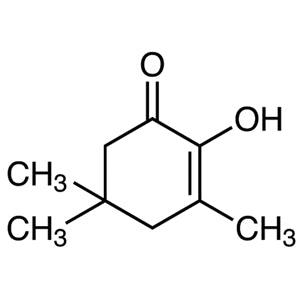
- TCI T2723 4883-60-7 2-Hydroxy-3,5,5-trimethyl-2-cyclohexen-1-one
- TCI T2707 2672-58-4 Trimethyl 1,3,5-Benzenetricarboxylate
- TCI T2429 6138-26-7 Trimethyl 1,2,3-Propanetricarboxylate
- Organic synthesis reactions where ester functionalities are required for intermediate formation.
- Preparation of complex organic molecules through substitution and nucleophilic attack mechanisms.
- Teaching demonstrations in undergraduate chemistry courses to illustrate ester hydrolysis and functional group reactivity.
- Research projects involving the development of new pharmaceutical compounds and materials.
- Analytical chemistry experiments to study reaction kinetics and mechanism elucidation.
| Brand | TCI |
|---|---|
| CAS number | 4271-99-2 |
| Molecular formula | — |
| Purity | — |
| Category | Chemistry > Building Blocks > Non-Heterocyclic Building Blocks |
| Pack sizes | Available in various quantities as per standard laboratory supply formats |
| Physical form | Liquid |
| Storage | Store in a cool, dry place away from direct sunlight and incompatible materials |
Trimethyl trans-Aconitate should be stored in a cool, dry environment to maintain its chemical stability. It is recommended to keep the compound in a tightly sealed container to prevent exposure to moisture and air. Due to its reactivity, it should be stored away from strong oxidizing agents and incompatible substances. Proper labeling of storage containers is essential for safety and identification. Laboratory personnel should wear appropriate personal protective equipment when handling this compound to minimize exposure risks. Regular inspection of storage conditions ensures the compound remains in optimal condition for use in research and educational settings.
—
Produk Terkait
-
Trimethyl1,3,5-Cyclohexanetricarboxylate(cis-andtrans-mixture) TCI T3033
Regular price From Rp 5.274.150,00Regular priceRp 3.687.600,00Sale price From Rp 5.274.150,00 -
Trimethyl1,2,4-Cyclohexanetricarboxylate(cis-andtrans-mixture) TCI T3029
Regular price From Rp 1.590.750,00Regular priceRp 1.111.950,00Sale price From Rp 1.590.750,00 -
2,2,5-Trimethyl-1,3-dioxane-5-carboxylicAcid TCI T3839
Regular price From Rp 2.862.300,00Regular priceRp 2.017.050,00Sale price From Rp 2.862.300,00 -
2-Hydroxy-3,5,5-trimethyl-2-cyclohexen-1-one TCI T2723
Regular price Rp 1.273.650,00Regular priceRp 890.400,00Sale price Rp 1.273.650,00 -
Trimethyl1,3,5-Benzenetricarboxylate TCI T2707
Regular price From Rp 823.200,00Regular priceRp 575.400,00Sale price From Rp 823.200,00 -
Trimethyl1,2,3-Propanetricarboxylate TCI T2429
Regular price From Rp 1.431.150,00Regular priceRp 1.016.400,00Sale price From Rp 1.431.150,00 -
TrimethylOrthoisobutyrate TCI T2208
Regular price Rp 2.411.850,00Regular priceRp 1.686.300,00Sale price Rp 2.411.850,00 -
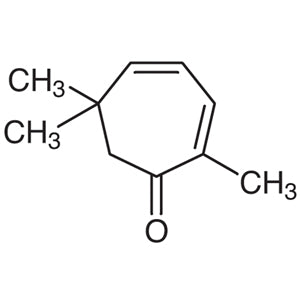
2,6,6-Trimethyl-2,4-cycloheptadien-1-one TCI T1846
Regular price Rp 2.306.850,00Regular priceRp 1.628.550,00Sale price Rp 2.306.850,00