N-Allylaniline is a chemical compound widely used as a foundational material in various laboratory applications, particularly in the synthesis of heterocyclic compounds and complex organic molecules. Its structure consists of an allyl group attached to an aniline group, which imparts high reactivity and versatility in chemical reactions. This compound plays a crucial role in organic chemistry by serving as a key building block for the development of pharmaceuticals, industrial chemicals, and other organic substances. Its ability to participate in multiple reaction types makes it an essential component in modern chemical research.
The chemical properties of N-Allylaniline make it a preferred choice for laboratory use. It exhibits stability under specific conditions but remains highly sensitive to oxidation and reactions with other chemicals. This reactivity allows it to be involved in nucleophilic, electrophilic, and substitution reactions, making it suitable for a wide range of synthetic processes. Its availability in liquid form also facilitates easy handling and integration into various experimental setups. These characteristics contribute to its popularity among researchers and chemists.
In Indonesian laboratories, N-Allylaniline is commonly used in organic chemistry research, especially by higher education institutions and research organizations. It is a vital component in the development of new compounds with applications in pharmaceuticals, materials science, and chemical industries. Its role in advancing scientific research in Indonesia underscores its importance in both academic and industrial settings.
- Organic synthesis applications benefit from N-Allylaniline due to its reactivity and ability to participate in multiple reaction types, making it ideal for creating complex organic compounds.
- Pharmaceutical research utilizes this compound as a building block for developing new drugs, leveraging its structural versatility and chemical reactivity.
- Industrial chemical production relies on N-Allylaniline for the synthesis of various chemical intermediates, supporting the manufacturing of diverse chemical products.
- Materials science research incorporates this compound in the development of advanced materials, taking advantage of its chemical properties for functional material synthesis.
- Academic research in chemistry uses N-Allylaniline as a standard reagent for teaching and experimental purposes, enhancing students' understanding of organic chemistry principles.
| Brand | TCI |
|---|---|
| CAS number | 589-09-3 |
| Molecular formula | — |
| Purity | — |
| Category | Chemistry > Building Blocks > Non-Heterocyclic Building Blocks |
| Pack sizes | Available in various sizes as per standard laboratory supply |
| Physical form | Liquid |
| Storage | Store in a cool, dark place away from oxidizing agents and direct sunlight |
N-Allylaniline should be stored in a cool, dark environment to prevent degradation and maintain its chemical stability. It is recommended to keep it in a sealed container to minimize exposure to air and moisture, which can lead to oxidation. Due to its reactivity, it should be stored away from strong oxidizing agents and incompatible substances. Appropriate personal protective equipment, such as gloves and safety goggles, should be worn when handling this compound. Regular monitoring of storage conditions ensures the compound remains safe and effective for use in laboratory settings. Proper labeling and storage practices are essential to prevent accidental exposure and ensure compliance with laboratory safety standards.
—
Produk Terkait
-
TCI B5774 5,10-Bis(4,4,5,5-tetramethyl-1,3,2-dioxaborolan-2-yl)naphtho[1,2-c:5,6-c']bis([1,2,5]oxadiazole)
Regular price Rp 10.307.850,00Regular priceRp 7.224.000,00Sale price Rp 10.307.850,00 -
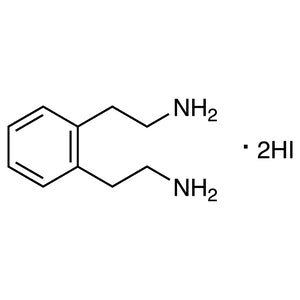
Dihydroiodide TCI B6569
Regular price From Rp 1.988.700,00Regular priceRp 1.405.950,00Sale price From Rp 1.988.700,00 -
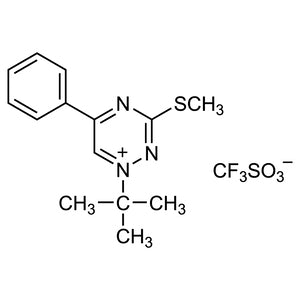
Trifluoromethanesulfonate TCI B7003
Regular price From Rp 1.988.700,00Regular priceRp 1.405.950,00Sale price From Rp 1.988.700,00