1,6-Anhydro-beta-D-glucose is a chemical compound classified within the glycoside group, widely used in chemical biology and glycoscience research. As a key structural component of carbohydrates, it plays a vital role in carbohydrate metabolism studies, complex compound synthesis, and drug development. In the laboratory, it serves as a fundamental reagent for experiments involving glucose-related chemical reactions. Its presence enables researchers to explore molecular interactions and functional group modifications with precision.
This compound is valued for its chemical stability and resistance to degradation under normal conditions. Its specific molecular structure makes it ideal for targeted chemical reactions, including functional group attachment and molecular modification. The non-reactive nature of 1,6-Anhydro-beta-D-glucose simplifies processing and application across various laboratory settings. This stability ensures consistent results and minimizes the risk of unwanted side reactions during experimentation.
In Indonesian laboratories, 1,6-Anhydro-beta-D-glucose is commonly used in biochemical, pharmacological, and food science research. It is an essential component in studies exploring the potential of natural compounds in health and food product development. Its application extends to research programs focused on understanding the biochemical pathways and molecular mechanisms involved in carbohydrate-based processes.
TCI brochures (PDF)
Related TCI products
- TCI G0259 1941-52-2 D-Glucose Diethyl Mercaptal
- TCI A0522 497-76-7 Arbutin
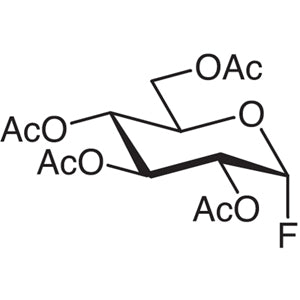
- TCI T1995 3934-29-0 2,3,4,6-Tetra-O-acetyl-alpha-D-glucopyranosyl Fluoride
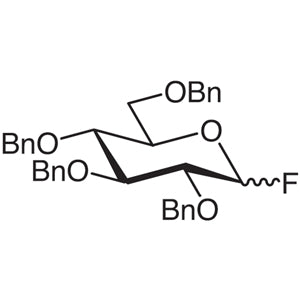
- TCI T1971 122741-44-0 2,3,4,6-Tetra-O-benzyl-D-glucopyranosyl Fluoride
- TCI T1933 132732-60-6 3,4,6-Tri-O-benzyl-2-deoxy-D-glucopyranose
- TCI T1931 69503-94-2 3,4,6-Tri-O-acetyl-2-deoxy-D-glucopyranose
- Used in carbohydrate metabolism studies due to its role in structural analysis and metabolic pathway research.
- Applied in drug development for synthesizing complex glycosidic compounds and modifying molecular structures.
- Utilized in food science research to analyze carbohydrate composition and develop natural food additives.
- Employed in biochemical experiments for studying enzyme interactions and molecular recognition processes.
- Integrated into pharmacological studies to investigate the biological activity of glycosidic compounds.
| Brand | TCI |
|---|---|
| CAS number | 498-07-7 |
| Molecular formula | — |
| Purity | — |
| Category | Chemistry > Chemical Biology > Glycoscience |
| Pack sizes | Available in various quantities as per standard laboratory supply formats |
| Physical form | White crystalline powder |
| Storage | Store in a cool, dry place away from moisture and direct sunlight |
This compound should be stored in a cool, dry environment to maintain its chemical stability. It is recommended to use airtight containers to prevent moisture absorption, which could affect its integrity. Due to its non-reactive nature, it does not require special handling beyond standard laboratory safety protocols. It is advisable to keep it away from strong oxidizing agents to ensure long-term stability. Proper labeling and storage conditions help in maintaining its quality and usability for extended periods. Always ensure that the storage area is well-ventilated and free from potential contaminants.
—
Product Categories
Produk Terkait
-
D-GlucoseDiethylMercaptal TCI G0259
Regular price Rp 1.934.100,00Regular priceRp 1.368.150,00Sale price Rp 1.934.100,00 -
Arbutin TCI A0522
Regular price From Rp 505.050,00Regular priceRp 368.550,00Sale price From Rp 505.050,00 -
2,3,4,6-Tetra-O-acetyl-alpha-D-glucopyranosylFluoride TCI T1995
Regular price Rp 3.365.250,00Regular priceRp 2.368.800,00Sale price Rp 3.365.250,00 -
2,3,4,6-Tetra-O-benzyl-D-glucopyranosylFluoride TCI T1971
Regular price Rp 5.141.850,00Regular priceRp 3.610.950,00Sale price Rp 5.141.850,00 -
3,4,6-Tri-O-benzyl-2-deoxy-D-glucopyranose TCI T1933
Regular price Rp 980.700,00Regular priceRp 701.400,00Sale price Rp 980.700,00 -
3,4,6-Tri-O-acetyl-2-deoxy-D-glucopyranose TCI T1931
Regular price Rp 2.147.250,00Regular priceRp 1.517.250,00Sale price Rp 2.147.250,00 -
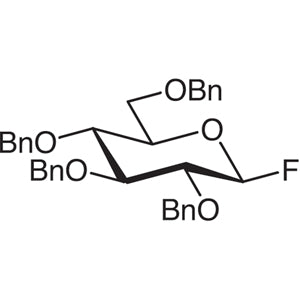
2,3,4,6-Tetra-O-benzyl-beta-D-glucopyranosylFluoride TCI T1923
Regular price Rp 6.042.750,00Regular priceRp 4.240.950,00Sale price Rp 6.042.750,00