Benzyl Acetoacetate is a chemical compound widely used in laboratory settings for the synthesis of complex molecules. It serves as a key building block in organic chemistry, particularly in reactions that require the introduction of alkyl groups. This compound is commonly found in chemical laboratories as a raw material for the production of aromatic and heterocyclic compounds. Its versatility makes it an essential reagent for researchers working on a variety of synthetic pathways.
One of the main reasons Benzyl Acetoacetate is preferred is its chemical stability under controlled conditions, along with its ability to participate in important reactions such as Claisen and Michael reactions. Its solubility in organic solvents makes it ideal for reactions that do not involve aqueous media. Additionally, its distinct aroma can serve as a visual indicator during certain reactions, aiding in the monitoring of chemical processes. These properties contribute to its widespread use in both academic and research laboratories.
In Indonesian laboratories, Benzyl Acetoacetate is frequently utilized in organic chemistry research, especially in university and research institute settings. Its availability and consistent quality make it a reliable choice for researchers aiming to accelerate synthesis processes and develop new compounds. Its role in facilitating efficient and reproducible chemical reactions is well recognized among Indonesian scientists and chemists.
- Organic Synthesis: Benzyl Acetoacetate is extensively used in the synthesis of aromatic and heterocyclic compounds due to its ability to act as an alkyl donor.
- Claisen Condensation Reactions: This compound is a preferred reagent for Claisen-type reactions, where it contributes to the formation of new carbon-carbon bonds.
- Michael Addition Reactions: Its participation in Michael additions allows for the creation of complex molecular structures, making it valuable in synthetic pathways.
- Aroma Detection in Reactions: The distinct aroma of Benzyl Acetoacetate can serve as a visual indicator during certain chemical processes, aiding in reaction monitoring.
- Solvent Compatibility: Its solubility in organic solvents makes it suitable for reactions that require non-aqueous environments, enhancing reaction efficiency.
| Brand | TCI |
|---|---|
| CAS number | 5396-89-4 |
| Molecular formula | — |
| Purity | — |
| Category | Chemistry > Building Blocks > Non-Heterocyclic Building Blocks |
| Pack sizes | Available in various quantities as per standard laboratory supply |
| Physical form | Liquid |
| Storage | Store in a cool, dark place away from heat and direct sunlight |
Benzyl Acetoacetate should be stored in a cool, dark location to maintain its chemical stability and prevent degradation. It is recommended to use sealed containers to minimize exposure to air and moisture. Due to its sensitivity to heat and UV light, it should be kept away from direct sunlight and high-temperature environments. In laboratory settings, proper ventilation is essential to ensure safe handling. Always use appropriate personal protective equipment, such as gloves and safety goggles, when working with this compound. Proper storage and handling practices help preserve the compound's integrity and ensure safe laboratory operations.
—
Produk Terkait
-
IsopropylAcetoacetate TCI I0826
Regular price From Rp 1.033.200,00Regular priceRp 738.150,00Sale price From Rp 1.033.200,00 -
Ethyl4,4,4-Trichloroacetoacetate TCI T1285
Regular price From Rp 4.081.350,00Regular priceRp 2.869.650,00Sale price From Rp 4.081.350,00 -
Ethyl2-Benzylacetoacetate TCI B2008
Regular price From Rp 662.550,00Regular priceRp 478.800,00Sale price From Rp 662.550,00 -
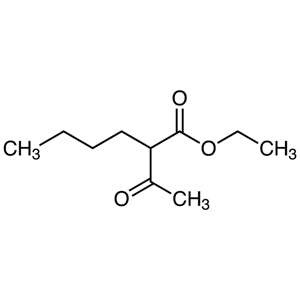
Ethyl2-Butylacetoacetate TCI B0702
Regular price From Rp 1.431.150,00Regular priceRp 1.016.400,00Sale price From Rp 1.431.150,00 -
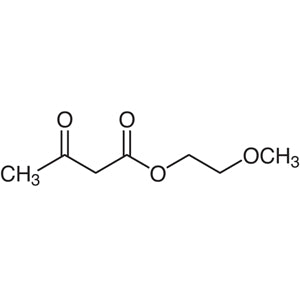
2-MethoxyethylAcetoacetate TCI A1583
Regular price Rp 662.550,00Regular priceRp 478.800,00Sale price Rp 662.550,00 -
LithiumAcetoacetate TCI A1478
Regular price From Rp 3.232.950,00Regular priceRp 2.276.400,00Sale price From Rp 3.232.950,00 -
n-OctylAcetoacetate TCI A0915
Regular price Rp 3.419.850,00Regular priceRp 2.406.600,00Sale price Rp 3.419.850,00 -
HexylAcetoacetate TCI A0913
Regular price Rp 2.093.700,00Regular priceRp 1.479.450,00Sale price Rp 2.093.700,00